

Spotting a coyote deep in the woods is completely expected. Seeing one just a few blocks from residential homes, however, might raise a few eyebrows. But in Edmonton, it has long ceased to be a surprise. Locals regularly spot these predators in parks, on bike paths, and even right outside private homes. And no, they didn’t get lost. The coyotes simply figured out long ago what people discovered much earlier: Edmonton is a pretty great place to live.
Similar stories can be found in other Canadian cities. For example, Montreal has long had its own “urban celebrities”—raccoons who feel so confident around people that it sometimes feels like they are the real owners of certain neighborhoods. Granted, there is one major difference between them and coyotes. Despite its reputation as an indefatigable trash hunter, a raccoon is not a large predator. A coyote, on the other hand, stands much higher on the food chain, which is why its appearance near residential areas raises far more questions—and sometimes even concern.
Yet for experts, there is nothing surprising about this. Coyotes haven’t “taken over” Edmonton, nor did they end up here by accident. They have simply learned to coexist with humans, making use of parks, the North Saskatchewan River valley, green spaces, and other natural pockets preserved within the big city. Learn more about why coyotes are appearing in Edmonton more frequently, how they coexist with humans, and why residents shouldn’t panic over such encounters at edmonton.name.
Diet and Adaptation: Why Coyotes Easily Settled in Edmonton
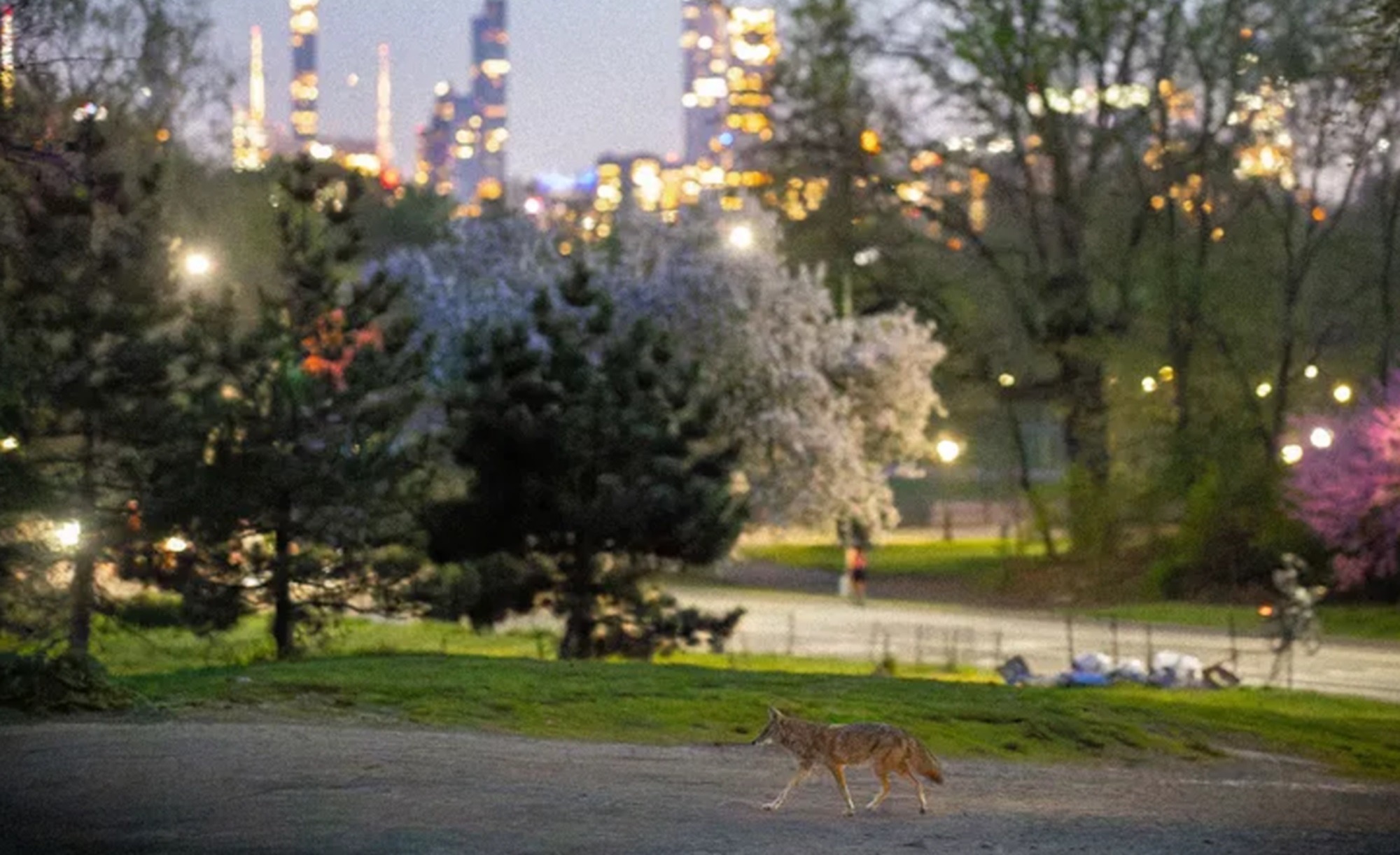
The coyote is one of North America’s most successful predators. Its natural range stretches from Alaska and Canada down to Central America, and in recent decades, it has expanded even further into the continent’s east. Unlike wolves, which require vast, sparsely populated territories, coyotes have proven remarkably resourceful. They quickly realized that living near humans provides everything needed to survive. And by all accounts, it’s a lesson they’ve mastered brilliantly.
The bulk of their diet consists of mice, voles, rabbits, squirrels, birds, frogs, and insects. They aren’t above scavenging berries, fruit, or carrion either. This unpicky appetite is precisely what allowed coyotes to thrive not only in wild prairies and forests, but also in major cities like Edmonton. That said, if an unsupervised cat or small dog is outside—especially at night—a coyote might view them as potential prey. That is why city officials constantly advise residents not to leave pets unattended in parks and green spaces.
Despite their reputation as dangerous predators, coyotes usually avoid humans. When encountering a person, they almost always back away. Conflicts mostly arise when the animals are fed or become accustomed to human presence. Still, there are times when coyotes hunt right within city limits. Edmonton residents have repeatedly witnessed them catching rabbits or geese in parks, sometimes even chasing prey in plain view of passersby. It’s not the most pleasant sight, but it’s completely natural: the coyote doesn’t realize it’s in a city—it’s simply living by the laws of the wild.
The North Saskatchewan River Valley and Food Supply: Why Coyotes Chose Edmonton
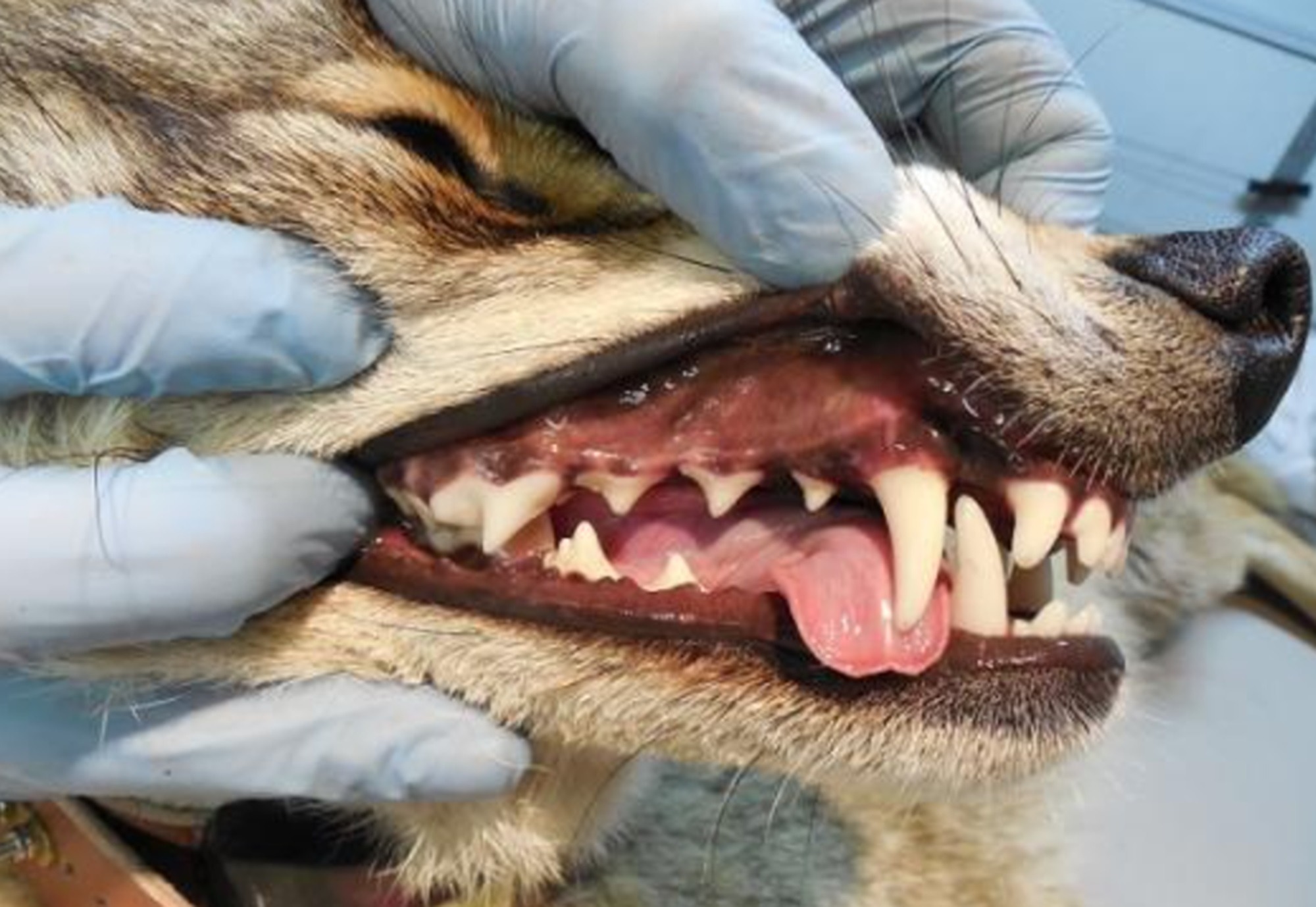
If it seems like coyotes just decided to move to Edmonton one day, that’s not quite the case. In reality, humans and coyotes have shared this territory for a long time—there were simply far fewer people and much more wilderness back then. As the city expanded, it gradually encompassed lands that were already home to these predators. So, it’s more accurate to say that Edmonton grew around the coyotes, rather than coyotes moving into Edmonton.
However, staying in the city wasn’t an accident. One of the main reasons is the vast North Saskatchewan River valley, which runs right through Edmonton. Forests, ravines, thickets, and numerous parks create natural green corridors allowing coyotes to move around almost unnoticed by people. For them, these are much the same natural routes they’ve used for centuries, even as cars rumble and high-rises loom nearby.
An equally important factor is the abundance of food. City parks and green spaces are home to plenty of rabbits, squirrels, mice, voles, and waterfowl—the very animals that form the staple of a coyote’s diet. Occasionally, they also take advantage of what humans leave behind: improperly disposed food waste or pet food left outside for strays. For a predator, this means one thing: the city offers everything needed to survive.
Biologists point to another reason as well: within city limits, coyotes have almost no natural predators. Wolves don’t live here, and humans, despite their cautious attitude toward predators, don’t hunt them like they used to. As a result, Edmonton has become a compromise between the wild and the urban environment for coyotes. And it seems to be a compromise they are completely comfortable with.
Pet Attacks and Safety Rules: How to Coexist with Coyotes in Edmonton
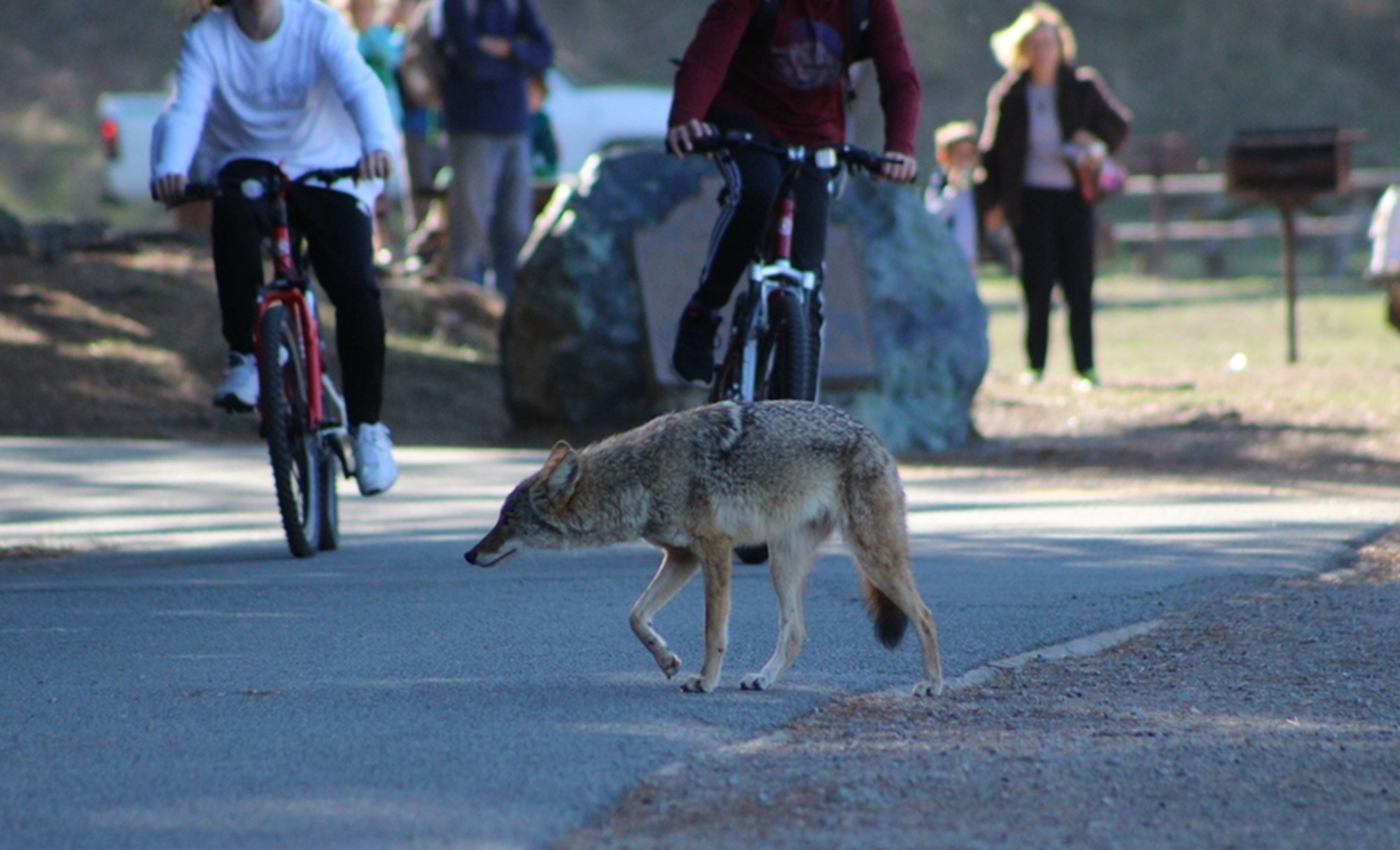
Although coyotes mostly avoid people, this neighborhood relationship isn’t entirely conflict-free. Every now and then, incidents occur in Edmonton where coyotes attack domestic cats or small dogs. Research by ecologists at the University of Alberta confirms that during winter, domestic pets make up to 2% of an urban coyote’s diet. Fortunately, cases of direct aggression toward humans remain extremely rare, accounting for less than 1% of all reported incidents.
The most publicized stories usually involve attacks on pets. On several occasions in various Edmonton neighborhoods, security cameras have caught coyotes running into yards or chasing cats through residential streets. These videos quickly spread across social media, sparking lively debates every time. Yet in most cases, when a coyote spots a person, it chooses to run away rather than engage.
That is why Edmonton city officials focus on coexistence rather than eradication. Residents are advised not to leave pet food outside, to keep trash cans securely closed, to avoid feeding wildlife, and to keep small dogs on a leash, especially near parks and the North Saskatchewan River valley. If a coyote gets too close, experts suggest not running away. Instead, stand your ground, make noise, raise your arms, and let the animal know you aren’t prey. Practice shows that in the overwhelming majority of cases, this is more than enough to make the predator quickly change its course.
Ecological Coexistence: How Edmonton Is Learning to Live Alongside Wild Coyotes
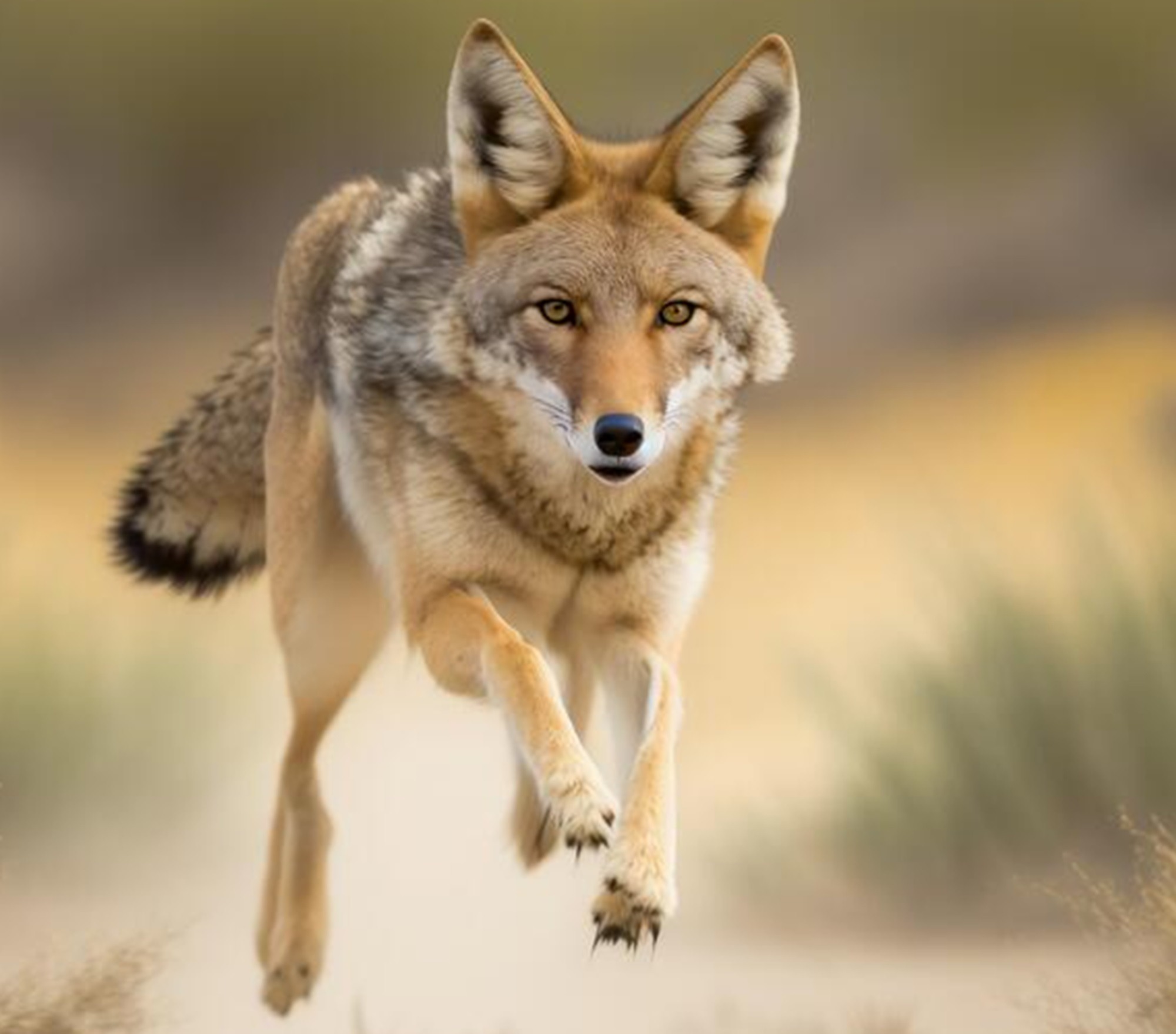
Coexisting with coyotes requires vigilance from residents, but it is also proof that nature in Edmonton hasn’t surrendered to concrete and asphalt. Not every major city can boast that its parks and green spaces remain a home for wild predators.
Naturally, living alongside wildlife imposes certain responsibilities on residents, but it also serves as a reminder: humans are not the sole masters of this land. Perhaps learning to live in harmony with nature—even when it occasionally shows its teeth—is one of the defining traits of a modern, eco-friendly, and truly vibrant city. Edmonton proves this every single day.