

Edmonton boasts an undeniable advantage: a major river flows right through it. The North Saskatchewan River literally carves its way through the urban landscape. For early settlers, getting water didn’t seem like much of an engineering challenge. You have a river, you have water. What else could you possibly need?
As it turned out, they needed quite a lot.
The gap between “there’s water in the river” and “clean drinking water flows from the tap” is bridged by a massive history of pumps, pipes, filters, giant reservoirs, and incredibly persistent city officials. As Edmonton began to grow rapidly, simply walking down to the riverbank with a bucket was no longer an option. That’s why, here on edmonton.name, we are exploring the story of Edmonton’s drinking water, its early aqueducts, and modern purification systems.
Today, Edmonton’s drinking water comes directly from this very river. It is drawn, thoroughly purified at two water treatment plants—Rossdale and E.L. Smith—tested, disinfected, and only then pumped into thousands of kilometers of city pipes. The water takes a long and complex journey before finally reaching your kitchen tap.
But it wasn’t always this way. How Edmonton step-by-step transformed raw river water into a centralized water supply system is a story worth telling. After all, the evolution of the local waterworks perfectly illustrates how a small settlement learns to be a sprawling metropolis.
The History of Edmonton’s Water Supply: Surviving Before the Aqueduct
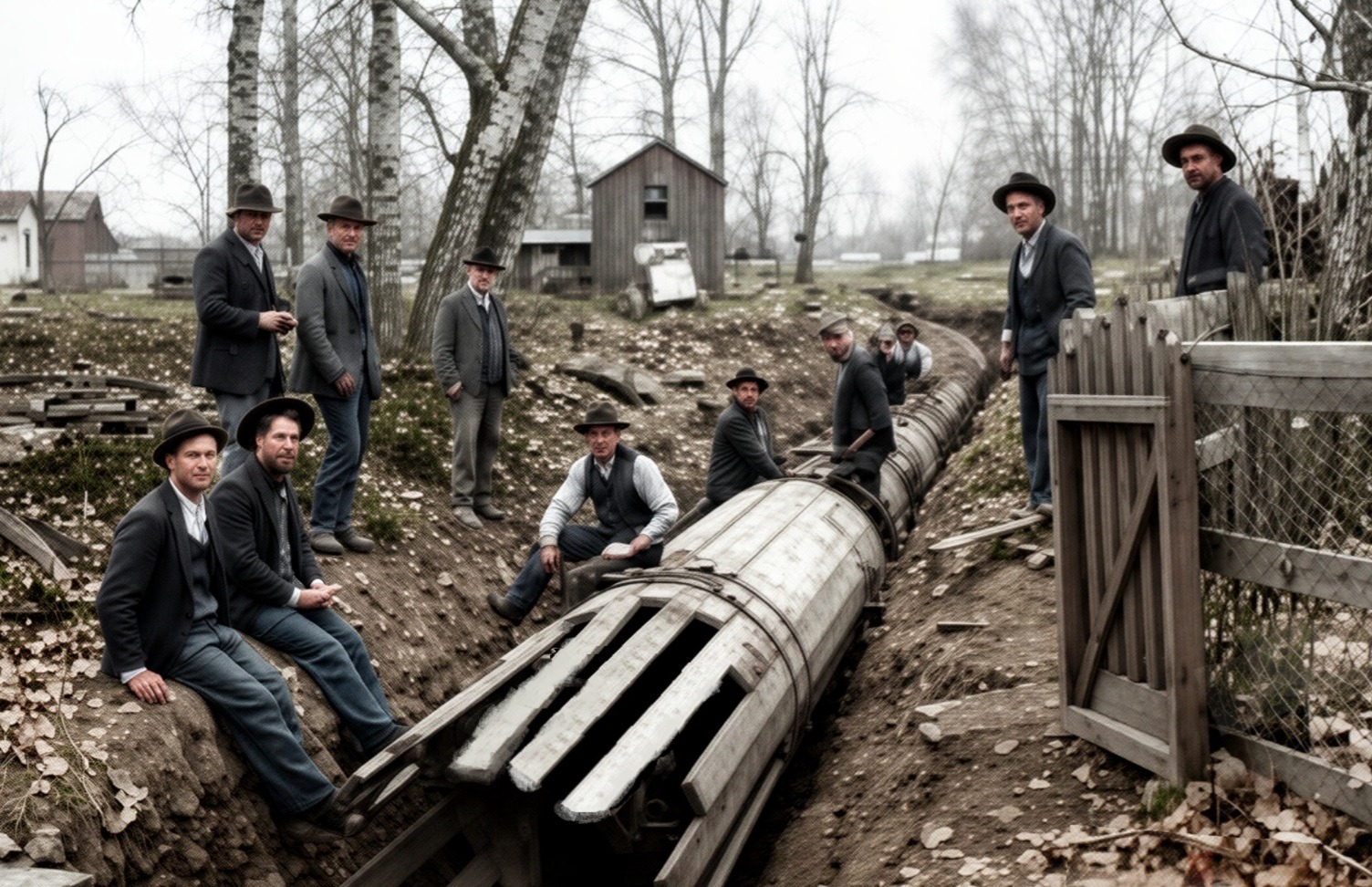
In its early days, Edmonton hardly resembled the modern city where you just turn a handle to get water. The settlement developed along the banks of the North Saskatchewan, making the river its main natural resource and the beating heart of local life.
Back then, residents drew water straight from the river, local springs, or wells. Groundwater had a clear advantage: passing through layers of soil and gravel, it was naturally filtered and often much cleaner than raw river water. Early 20th-century records even mention the use of wells dug beneath the riverbed to act as a kind of natural filter.
In 1901, Edmonton was home to just 2,626 people. By 1903, the population reached nearly 7,000, and over 14,000 by 1906. It hit 24,900 in 1911, and skyrocketed to over 72,000 by 1914. At this breakneck pace of growth, an ordinary well quickly ceased to be viable urban infrastructure.
Moreover, the city needed water for much more than just drinking. It was essential for firefighting, booming industries, public buildings, and a future sewage system.
Consequently, Edmonton began to view the North Saskatchewan River differently. It was no longer just a neighboring body of water, but a vital resource that needed to be managed and harnessed systematically.
Building Edmonton’s First Water Main: Why the River Next Door Was No Longer Enough
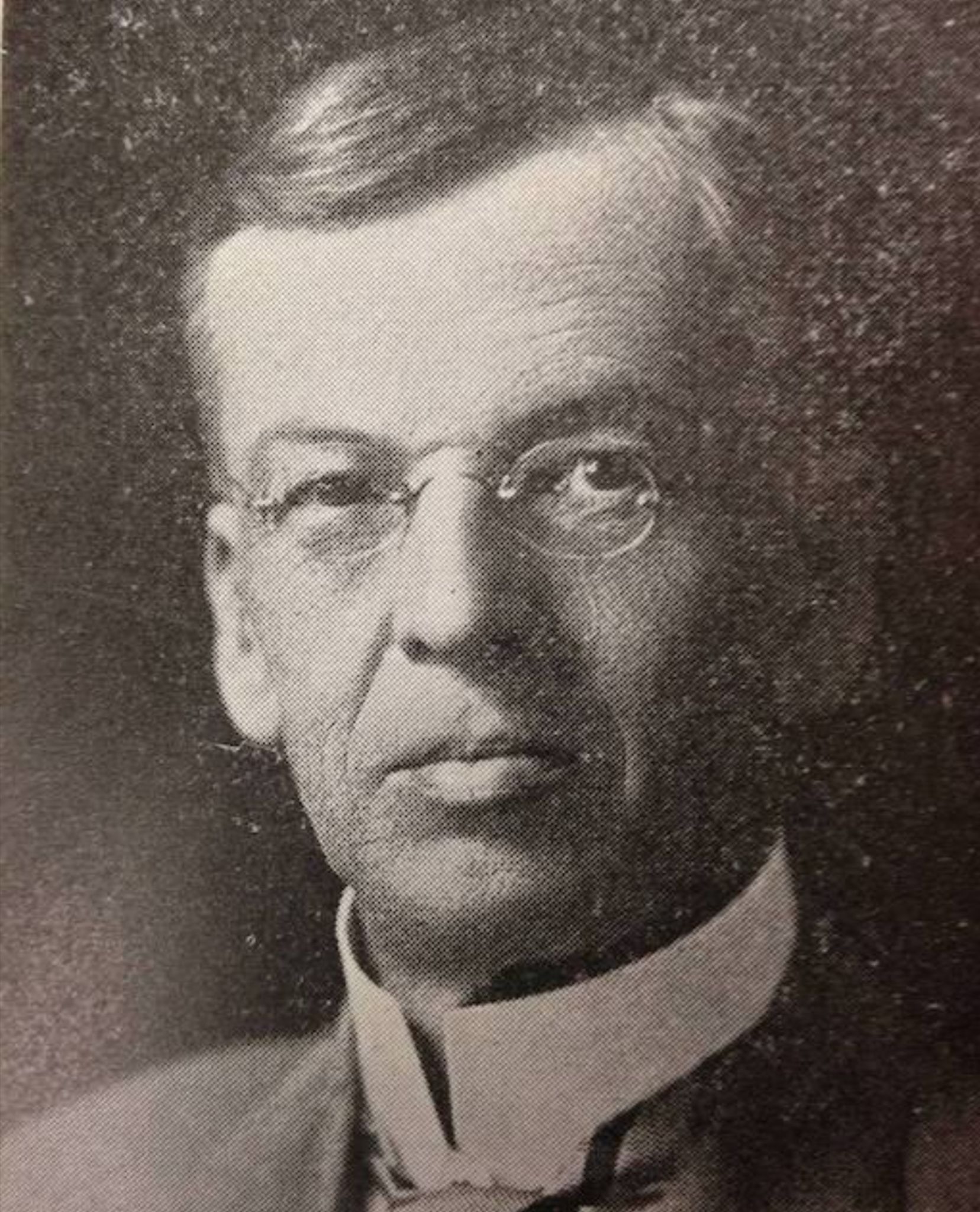
The idea of a centralized water supply had been brewing since the dawn of the 20th century. In 1901, engineer Willis Chipman proposed a comprehensive water and sewer system for Edmonton. The site for the pumping and power stations was chosen strategically to perfectly align with the future pipeline network.
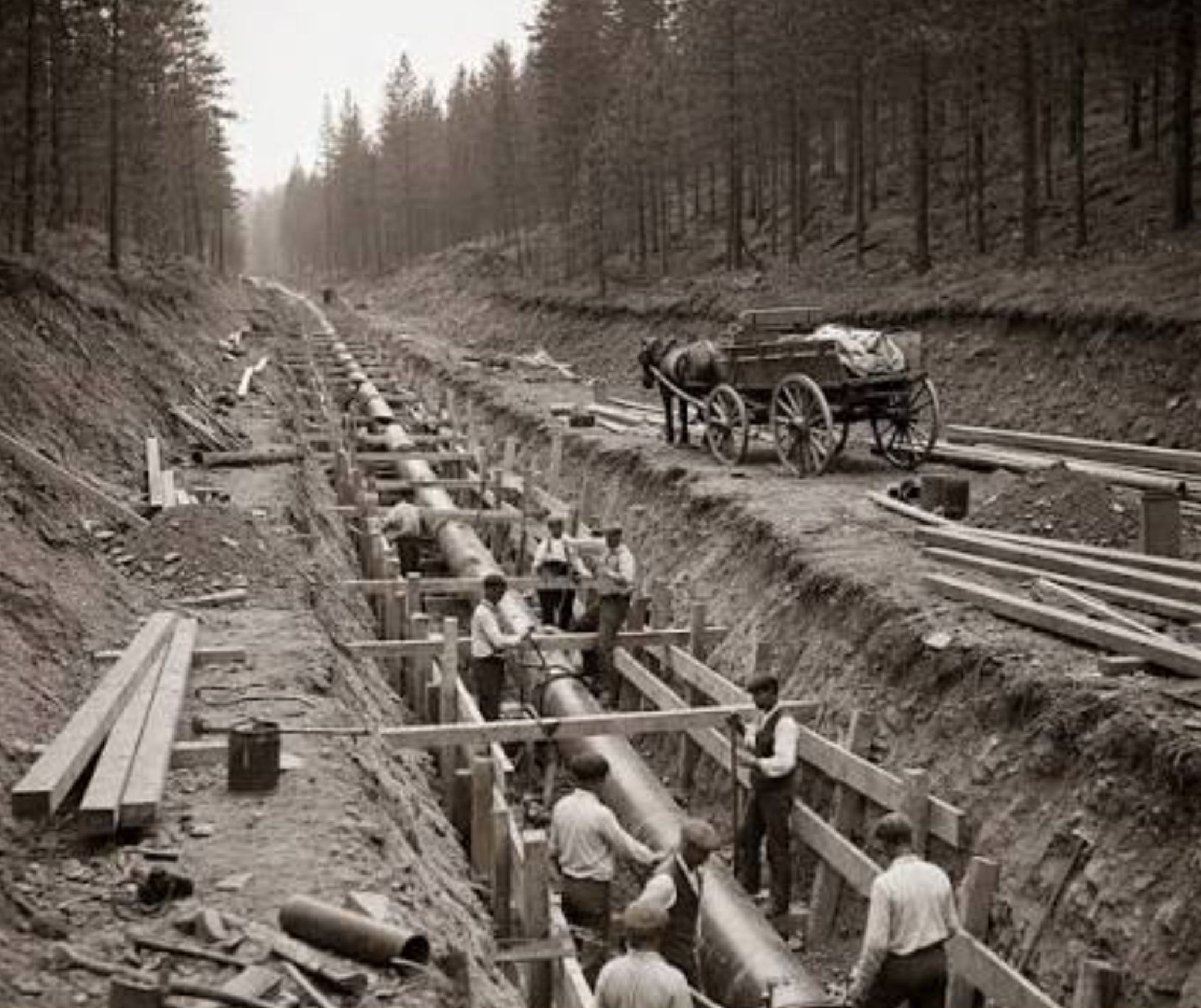
Construction kicked off in 1902. A water intake, a settling basin, and the first water mains were built in the Rossdale area. The plan was to start connecting homes to the grid by 1903.
Right on schedule, Edmonton’s first water treatment plant went fully operational in Rossdale in 1903. It was equipped with pumping machinery and a settling basin. The city was no longer just scooping water out of the river; it was building a complete supply chain from the source directly to the consumer.
By today’s standards, this initial phase was quite modest. The original network consisted of about 10.5 kilometers of cast-iron pipes, 50 fire hydrants, and a 330,000-liter reservoir. It served just over 4,000 residents.
In 1913, a brand new pumping station was built to meet the city’s needs. Intake pipes were extended nearly 900 meters into the water, allowing for much more efficient extraction and significantly expanding the system’s capacity.
Meanwhile, the public’s expectations were changing rapidly. People didn’t just need water for drinking and cooking anymore. They wanted bathtubs, indoor plumbing, and proper sanitation—everything we now consider essential for a comfortable home. For the authorities, the mandate was clear: the water supply had to expand in lockstep with the population.
And Edmonton was growing astonishingly fast. That is exactly why the history of the local water system is, in essence, the story of how the city learned to be a metropolis.
Edmonton’s Modern Drinking Water: Sourcing the Resource and How Purification Works
Today’s water supply system is infinitely more complex than those early 20th-century cast-iron pipes, yet the primary source remains the same: the North Saskatchewan River.
The river originates in the Canadian Rockies, and its watershed spans a massive area far beyond Edmonton’s city limits. Because of this, the quality of the drinking water depends not just on local environmental factors, but on the cleanliness of the entire upstream region.
Nowadays, river water is treated at two main facilities: the Rossdale Water Treatment Plant and the E.L. Smith Water Treatment Plant. The former has been operating since 1903 (though the current building was constructed in 1947 and expanded in 1956). E.L. Smith opened in 1976, and a major modernization of the plant was completed in 2008.
The purification process itself runs like a well-oiled assembly line. First, river water is drawn through heavy-duty intake structures. Next, large debris is removed, and special coagulants are added. These chemicals cause tiny dirt particles to clump together into larger flocs, which eventually settle at the bottom.
The next step is filtration. The water is forced through deep layers of anthracite coal and sand. Then comes disinfection: operators use a combination of chlorine, ultraviolet light, and chloramine. This multi-layered defense guarantees the destruction of microorganisms, ensuring the water is perfectly safe before it leaves the plant.
But the water’s journey doesn’t end there. Once purified, it flows into giant storage reservoirs before powerful pumps push it out into the municipal grid. Altogether, the treatment process takes a few hours, and EPCOR continuously monitors water quality across hundreds of different parameters.
Here’s an interesting detail: experts even regularly assess the water’s smell. This is especially crucial during the spring thaw, when melting snow changes the river’s chemistry and affects its taste and odor. So, the journey from the snowy peaks to your kitchen sink is monitored far more strictly than it might seem when you just turn on the tap for a glass of water.
Edmonton’s Water from the North Saskatchewan: Purification, Supply, and Quality Control
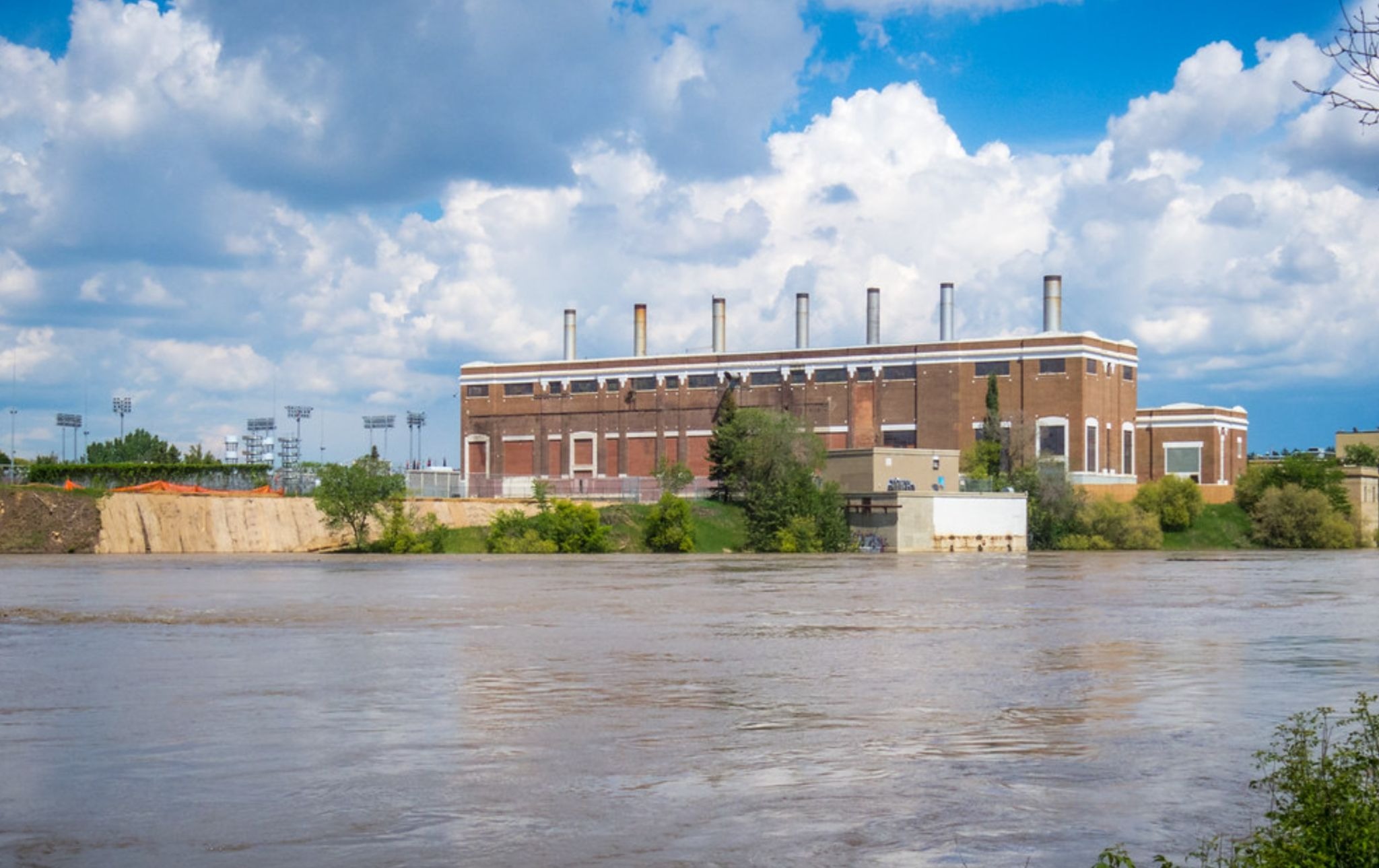
The history of Edmonton’s drinking water is a chronicle of taming a raw natural resource and turning it into a highly complex urban artery. Once, the town got by with a river, a few wells, and basic filtration. But as the population skyrocketed, factories were built, residential neighborhoods expanded, and sanitation standards tightened. The era of buckets passed, making way for the centralized aqueduct.
Today, the North Saskatchewan River hydrates all of Edmonton. Water is meticulously purified at two major plants and delivered through a vast network to homes across the city and neighboring municipalities. The system is constantly being upgraded, while quality standards remain consistently rigorous.
So, it looks like Edmonton won’t be running out of water anytime soon. At least, as long as the river flows, the engineers stay awake on the job, and the residents don’t all decide to draw a thousand baths at the exact same time. Although, practically speaking, it’s probably best not to put that last one to the test.