

When people hear the word “swamp,” it rarely conjures up attractive images. More often, it brings to mind mosquitoes, rubber boots, and a desire to walk past as quickly as possible. Yet sometimes a city gets remarkably lucky when a bit of marshland survives nearby. Edmonton is one of those cases. Here, wetlands handle a job that would otherwise have to be entrusted to expensive engineering infrastructure.
A wetland doesn’t fight floods the way a concrete dam does. It does so quietly. While residents hurry to work, water simply slows down: part of it trickles into the soil, while the rest collects in natural depressions. It is precisely this quiet, unnoticed work that often prevents flooding in other parts of the city.
In fact, wetlands perform dozens of vital functions without which a modern city would be less safe and less comfortable to live in. They absorb excess rainwater and snowmelt, slow down water flow, filter out pollutants, help replenish groundwater reserves, reduce soil erosion, and create habitats for hundreds of plant and animal species.
Added to this is another non-obvious benefit: wetlands store carbon, help regulate the local microclimate, and even save the city money. After all, they perform tasks free of charge that would otherwise require costly engineering facilities.
Each of these functions deserves a closer look, as behind the everyday word “swamp” lies a complex natural system on which far more depends than meets the eye. That is why edmonton.name explores in detail how wetlands help Edmonton mitigate floods, support biodiversity, and make the urban environment more resilient to nature’s challenges.
Which Wetlands and Natural Areas Have Survived in and Around Edmonton
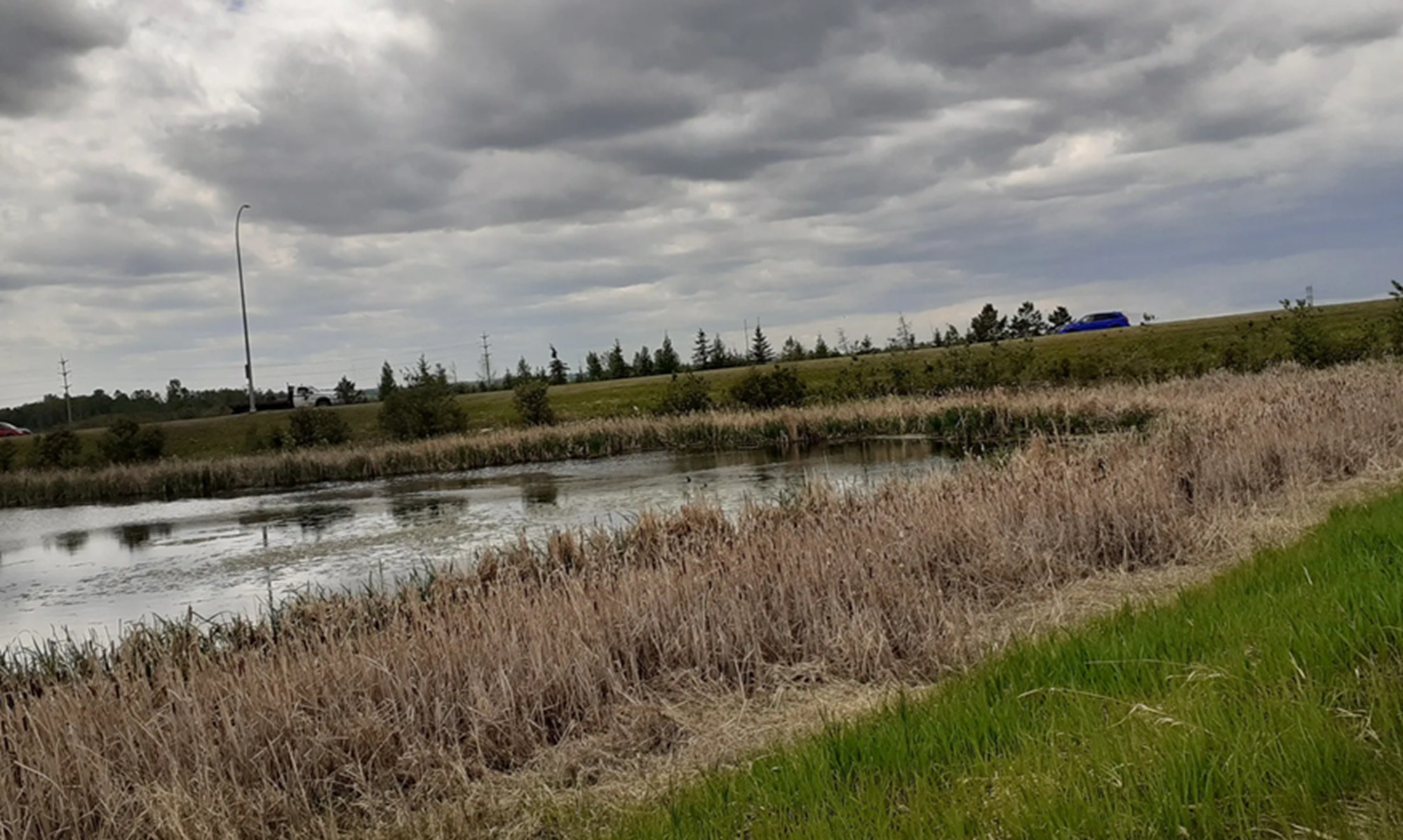
If someone a hundred years ago had suggested that swamps would one day become a point of pride for a major city, they probably would have been considered eccentric. Back then, the goal was to drain, infill, and build over them. Today, the situation is almost the exact opposite: Edmonton goes to great lengths to preserve what remains, knowing that losing a wetland means losing an entire ecosystem.
The most famous wetland complex near the city is Big Lake, located in northwestern Edmonton. It is not just a body of water, but a vast system of shallows, reed beds, marshes, and streams extending over roughly eight kilometers. Today, this area forms part of Lois Hole Centennial Provincial Park and is recognized as one of the region’s most important bird habitats.
Another unique spot is the Wagner Natural Area, located about eight kilometers west of Edmonton. Despite often being referred to as “Wagner Bog,” it is actually a 251-hectare natural complex combining peatlands, swamp forests, marl fens, and small ponds. Rare orchids, mosses, and even carnivorous plants thrive here, making it one of Alberta’s most valuable natural areas.
Within Edmonton itself, dozens of smaller wetlands have also been preserved. Some lie within the North Saskatchewan River valley, while others are tucked away inside new residential neighborhoods or on the city’s outskirts. They may look like ordinary ponds or overgrown lowlands, but for ecologists, they are crucial components of a unified natural network connecting forests, meadows, lakes, and river valleys.
Most of these wetlands are glacial in origin. About 15,000 years ago, a massive ice sheet covered the area of modern-day Edmonton. As it retreated, it left behind numerous basins, lakes, and rugged terrain features. Over time, many of these depressions filled with water, became overgrown with reeds and moss, and transformed into wetlands. Some have existed for thousands of years, making them far older than the city itself and capable of telling us much more about local natural history than any textbook.
Ecological Flood Defense: How Wetlands Save Edmonton’s Infrastructure
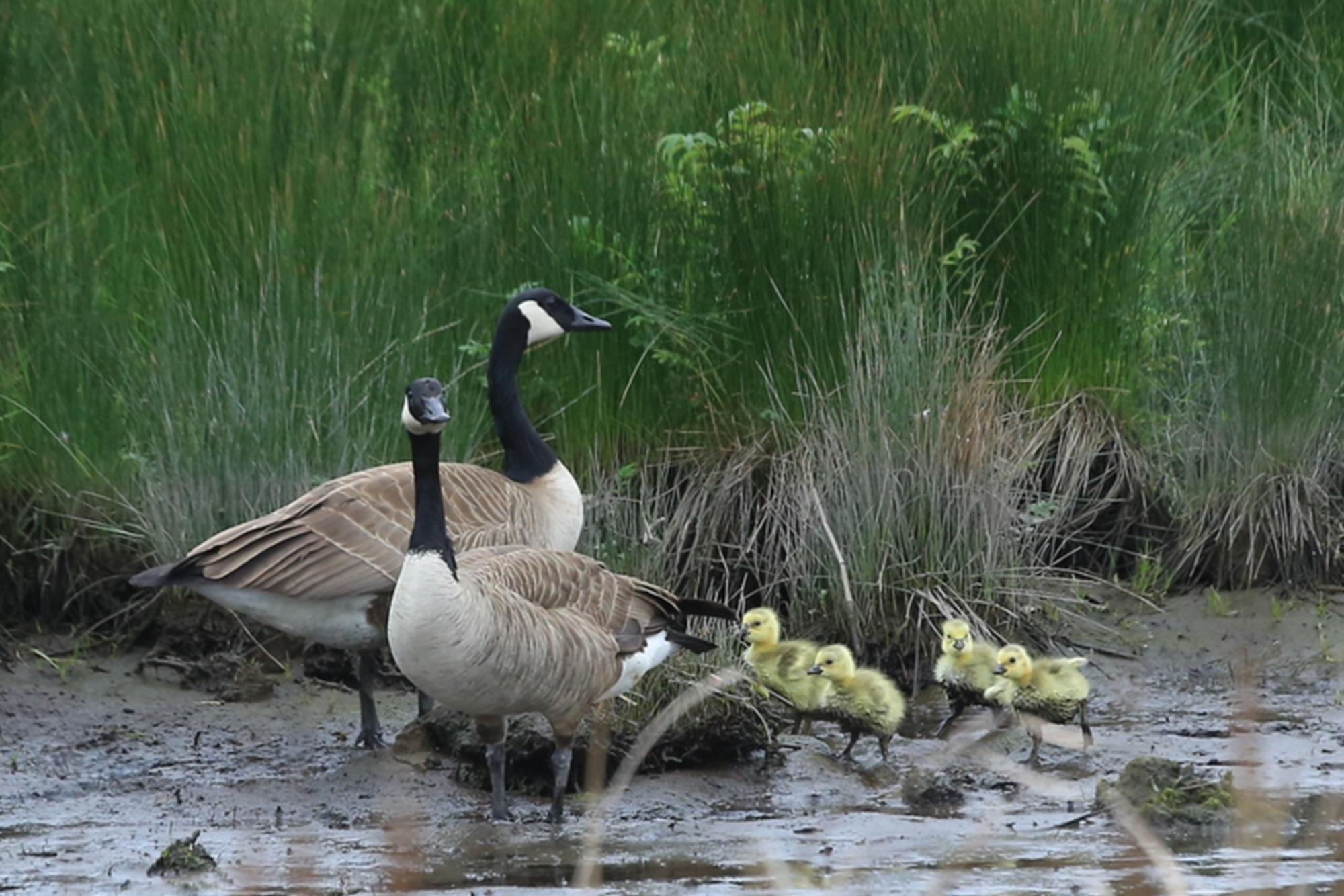
Ask an engineer how to protect a city from flooding, and they will likely point to dikes, storm sewers, or pumping stations. Nature came up with a different solution long ago: wetlands. They require no electricity, never break down, and never demand an increased maintenance budget.
The primary function of Edmonton’s wetlands is storing and gradually releasing water. During heavy downpours or spring snowmelt, wetlands act like giant natural sponges. They soak up excess runoff, slow its movement, and slowly discharge it back into the soil and surrounding water bodies. This helps ease the burden on the urban drainage system and reduces the risk of localized flooding.
It is worth noting that wetlands work hand in hand with Epcor, the municipal utility company, significantly reducing the load on its infrastructure. For a city that regularly experiences heavy rainstorms and massive volumes of meltwater, such natural assistance is invaluable.
Equally important is another function: supporting biodiversity. Wetlands provide a home for hundreds of plant, bird, amphibian, insect, and small mammal species. For many of them, these areas are not merely stopovers, but the only environment where they can survive and breed.
Unique Biodiversity: Which Animals and Plants Inhabit Edmonton’s Wetlands
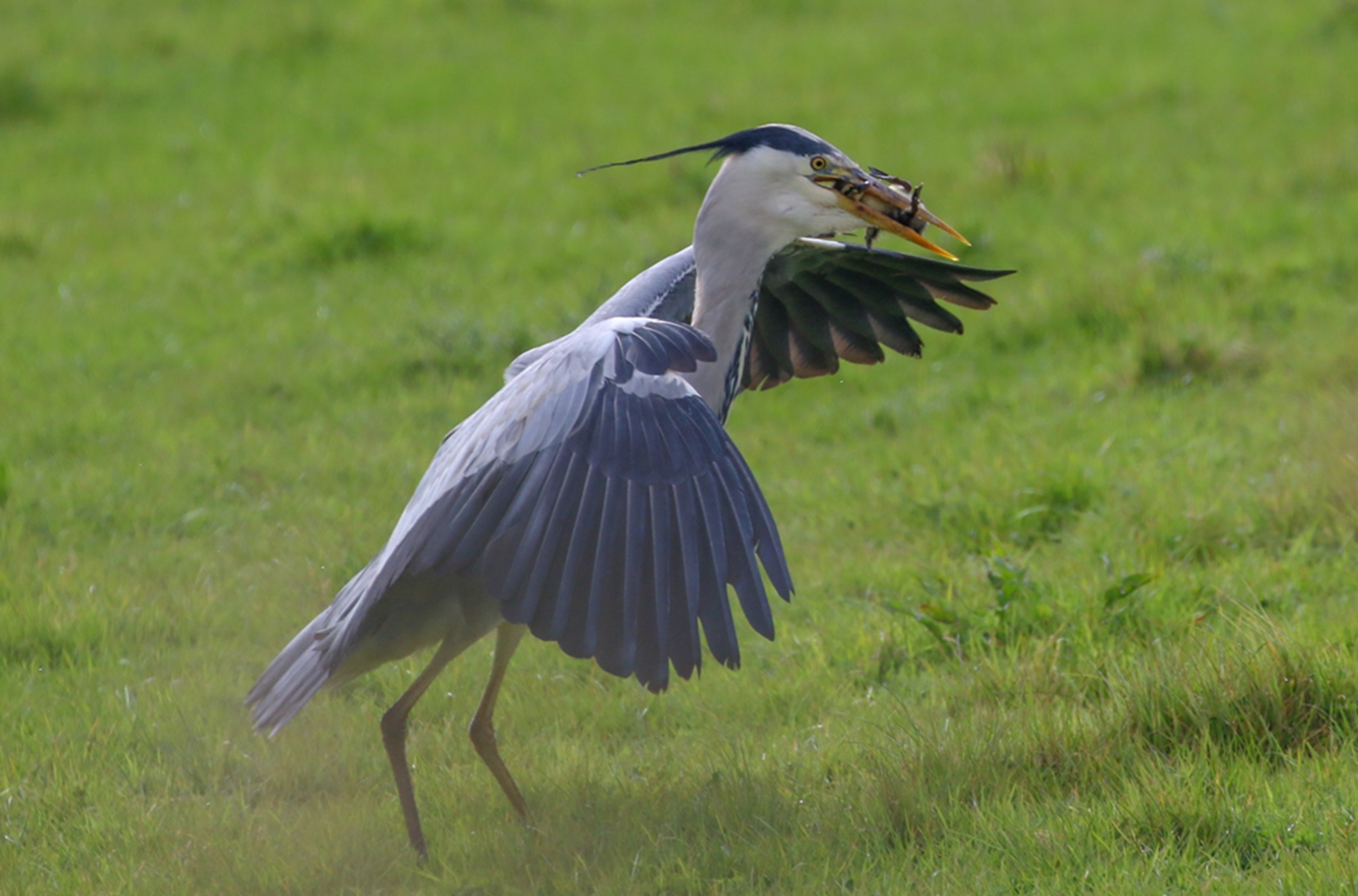
Speaking of biodiversity, it is worth taking a closer look. A wetland is far more than just water, cattails, and a couple of ducks that happened to land nearby. In reality, it is a complex ecosystem where every inhabitant plays a specific role. You could say a wetland is like a city with its own “residents”—except here, nobody argues over parking or complains about morning traffic jams.
Dozens of bird species can be found in and around Edmonton’s wetlands. These areas are especially vital for waterfowl such as Canada geese, various duck species, herons, shorebirds, and other migratory birds. The Big Lake area, for instance, serves as a crucial staging area for birds during seasonal migrations, offering food, water, and safe nesting sites.
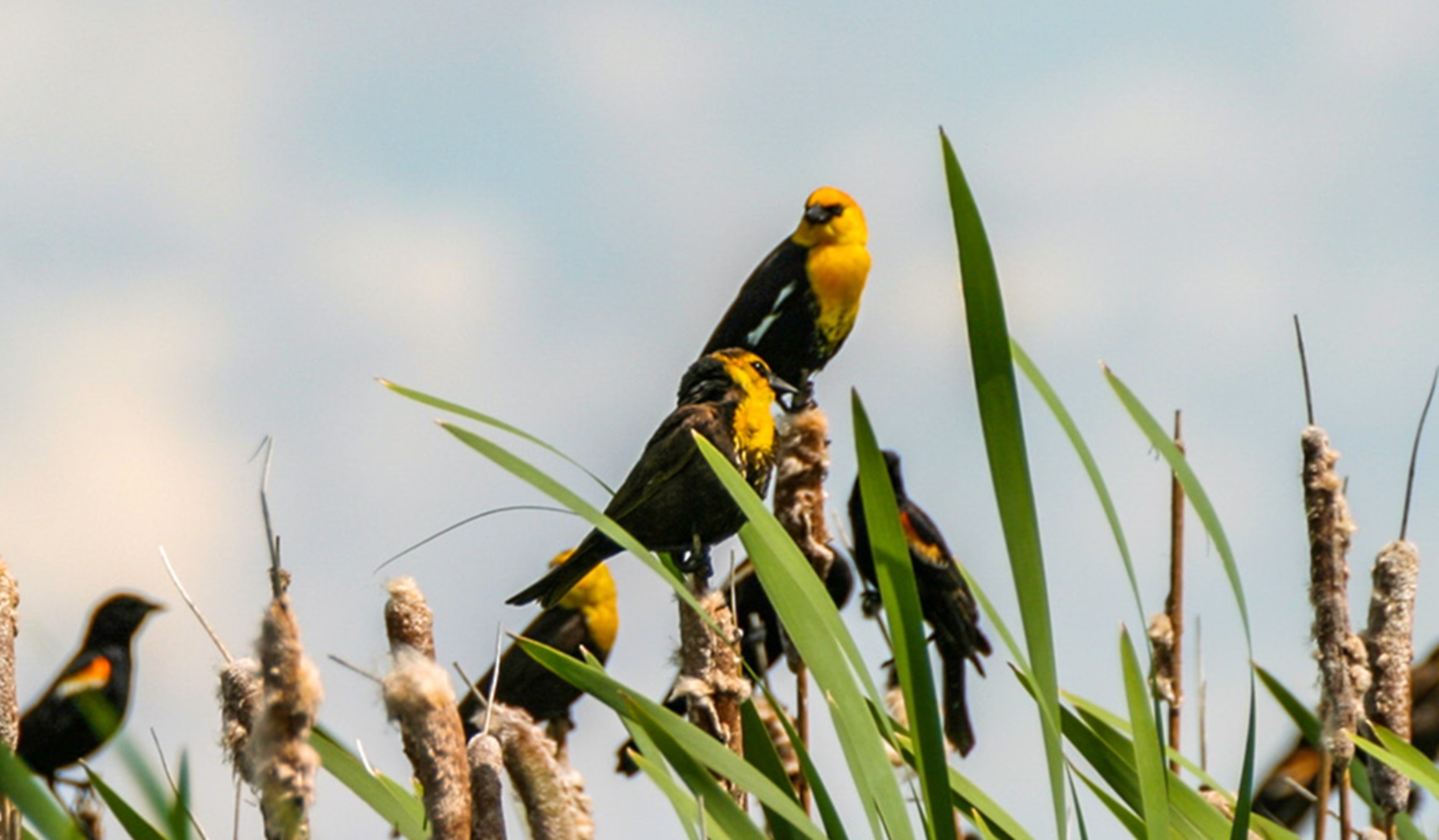
For example, over 230 bird species have been documented at Big Lake, while the Wagner Natural Area hosts around 30 mammal species and more than 130 avian species.
The flora is equally diverse. Reeds, cattails, sedges, mosses, and various aquatic plants line the water’s edge. Rare species can also be found in these spots, including native orchids in the Wagner Natural Area. Plants form the foundation of the entire ecosystem: they purify water, anchor the soil, and build habitat for other organisms.
Beneath the water’s surface and among the reeds, life is buzzing in ways people often miss. Frogs, salamanders, turtles, small mammals, and thousands of insects—from dragonflies and butterflies to numerous beetle species—call these places home. While insects may not always have the best reputation among humans, they are a vital link in the food web that keeps nature in balance.
Edmonton’s Environmental Strategy: Why Wetlands Are Protected from Development
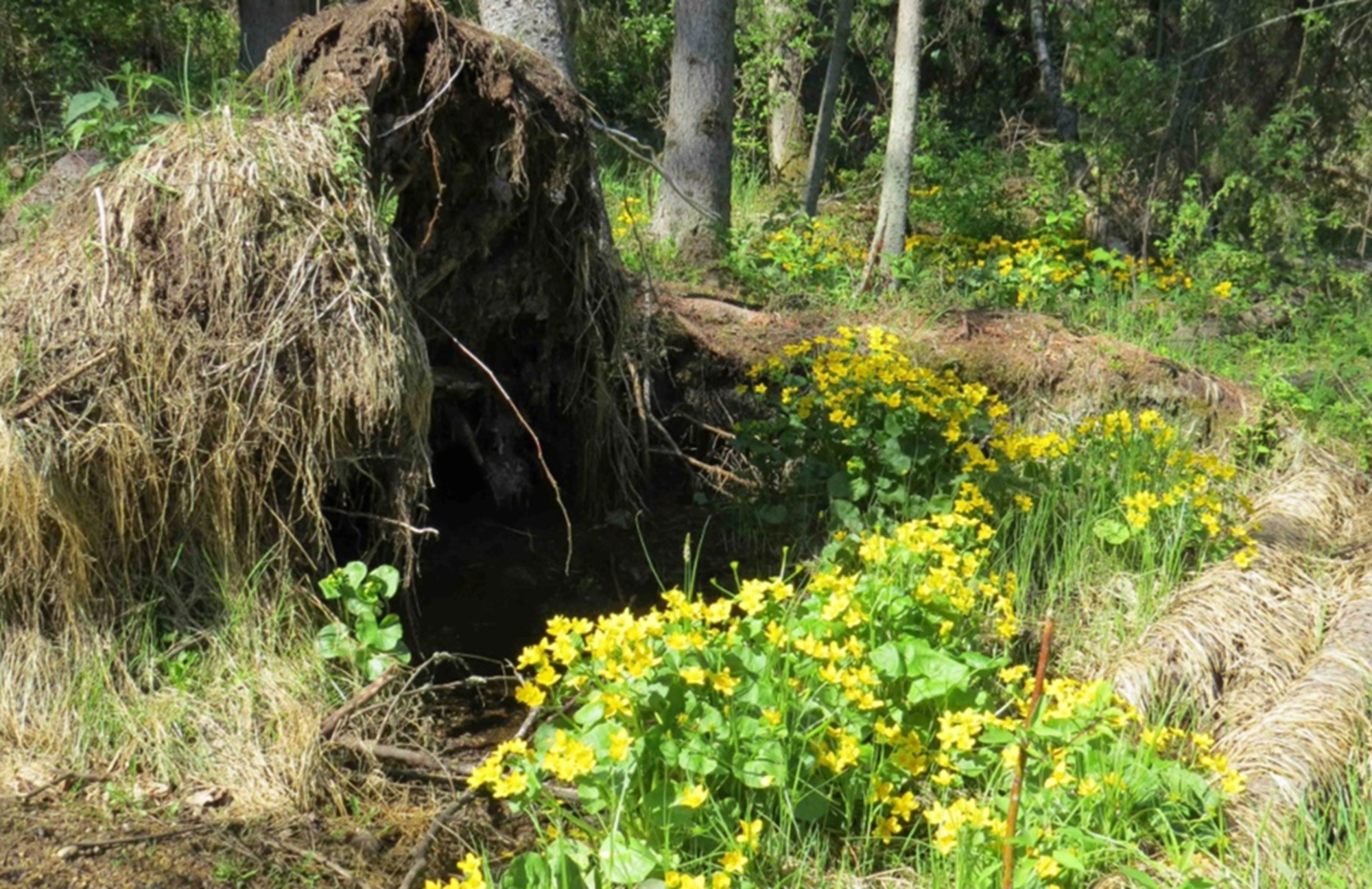
Not long ago, wetlands were often dismissed as useless ground standing in the way of urban expansion. Today, that perspective has shifted: Edmonton is in no rush to drain them or pave them over for new housing tracts. Losing these wetlands would mean losing natural flood protection, water purification, and unique habitats for thousands of living organisms. Sometimes, the best decision for urban development is to leave a piece of nature just as it is—even if that nature looks like a swamp.