

In a big city, trees are often viewed as purely decorative: standing quietly beside a house, casting shade, shedding leaves in autumn, and leafing out again come spring—proof that even after a harsh Canadian winter, nature has its own agenda. But in reality, urban trees perform far more critical work. They cool streets and backyards, intercept stormwater runoff, filter the air, and provide vital habitat for birds and local wildlife. Read on at edmonton.name to discover why this matters so much for Edmonton, where summers can be scorching and dry, and winters are anything but mild.
Urban planners and arborists frequently use the term “urban forest.” And it refers to far more than just sprawling parks or the North Saskatchewan River Valley. The urban forest encompasses every tree lining the boulevards, standing beside residential homes, growing in private yards, and shading public plazas. In other words, the tree behind your fence actively supports Edmonton’s ecological health. Often, it does far more than someone simply seeking a patch of shade on a blistering afternoon might ever realize.
When the summer sun beats down on asphalt, concrete, and rooftops for hours on end, the city inevitably turns into a giant frying pan. In conditions like these, a tree acts as nature’s own air conditioner. Its canopy shades hard surfaces while its foliage transpires moisture, noticeably cooling the ambient air. That is why two identical streets can feel worlds apart in temperature, depending entirely on whether mature shade trees line the sidewalks.
For Edmonton, this is not merely a matter of comfort; it is a question of resilience. Municipal leaders treat the urban forest as a core piece of climate-resilient infrastructure. Trees manage stormwater, improve air quality, sequester carbon, and cut down air-conditioning demands in surrounding buildings during the hottest months. In an established urban canopy, every mature tree performs multiple duties simultaneously—and notably, not one of them bills the city by the hour.
There is another critical factor: urban heat is distributed unevenly. Neighborhoods packed with paved surfaces and sparse greenery register significantly higher temperatures. That makes local street-level canopy just as vital as major parks. Every tree alongside a residential street, in an apartment courtyard, or on a private lot plays an indispensable role.
History of the Urban Forest: What Trees Originally Grew in Edmonton
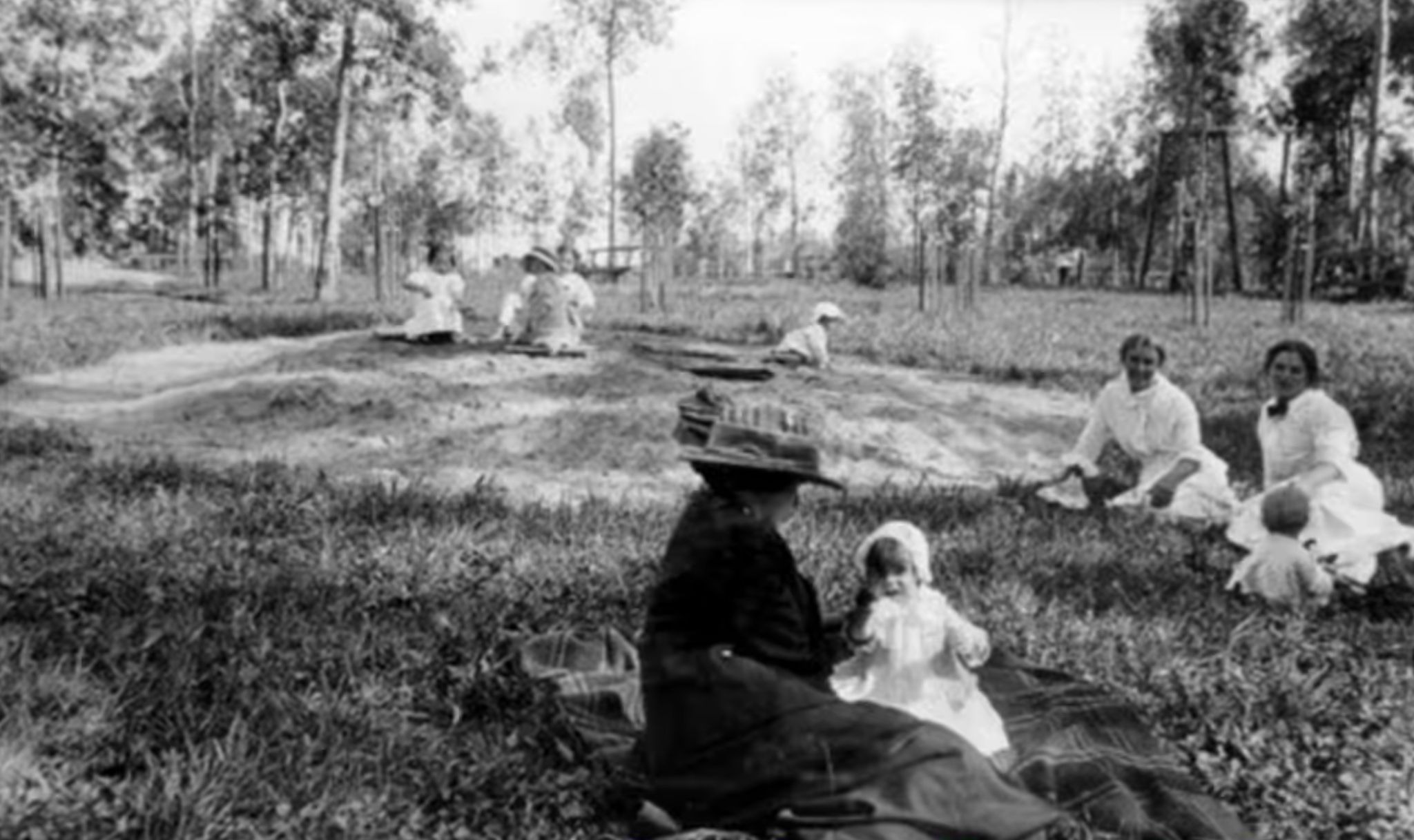
Edmonton’s modern urban forest did not appear overnight, nor was it handed to the city alongside its first street grid. Native species that naturally thrived in the region formed the foundation of the local canopy: trembling aspen, balsam poplar, paper birch, and white spruce. This native legacy remains especially visible across the North Saskatchewan River Valley, where natural woodlands have always served as the backbone of the city’s landscape.
Over time, the city gradually broadened its green inventory. Residents planted trees around their homes, along roads, and in gardens, introducing non-native species and cultivars capable of surviving the local climate. As a result, hardy trees foreign to the regional wilderness found a home here, adapting remarkably well to Edmonton’s urban environment.
This evolution is recorded in the historic trees scattered throughout town. City archives document several heritage specimens, such as the Manitoba maple planted around 1875 near Richard Hardisty’s homestead. Clearly, a single tree can outlive generations of residents, witness neighborhood redevelopment, and outlast the historic cityscape itself.
Consequently, asking “what trees grow in Edmonton?” yields two distinct answers: native species that define the natural landscape, and introduced varieties deliberately planted by generations of Edmontonians. Together, they form today’s urban forest.
Edmonton’s Lindens, Maples, and Elms: The Canopy Beyond City Parks
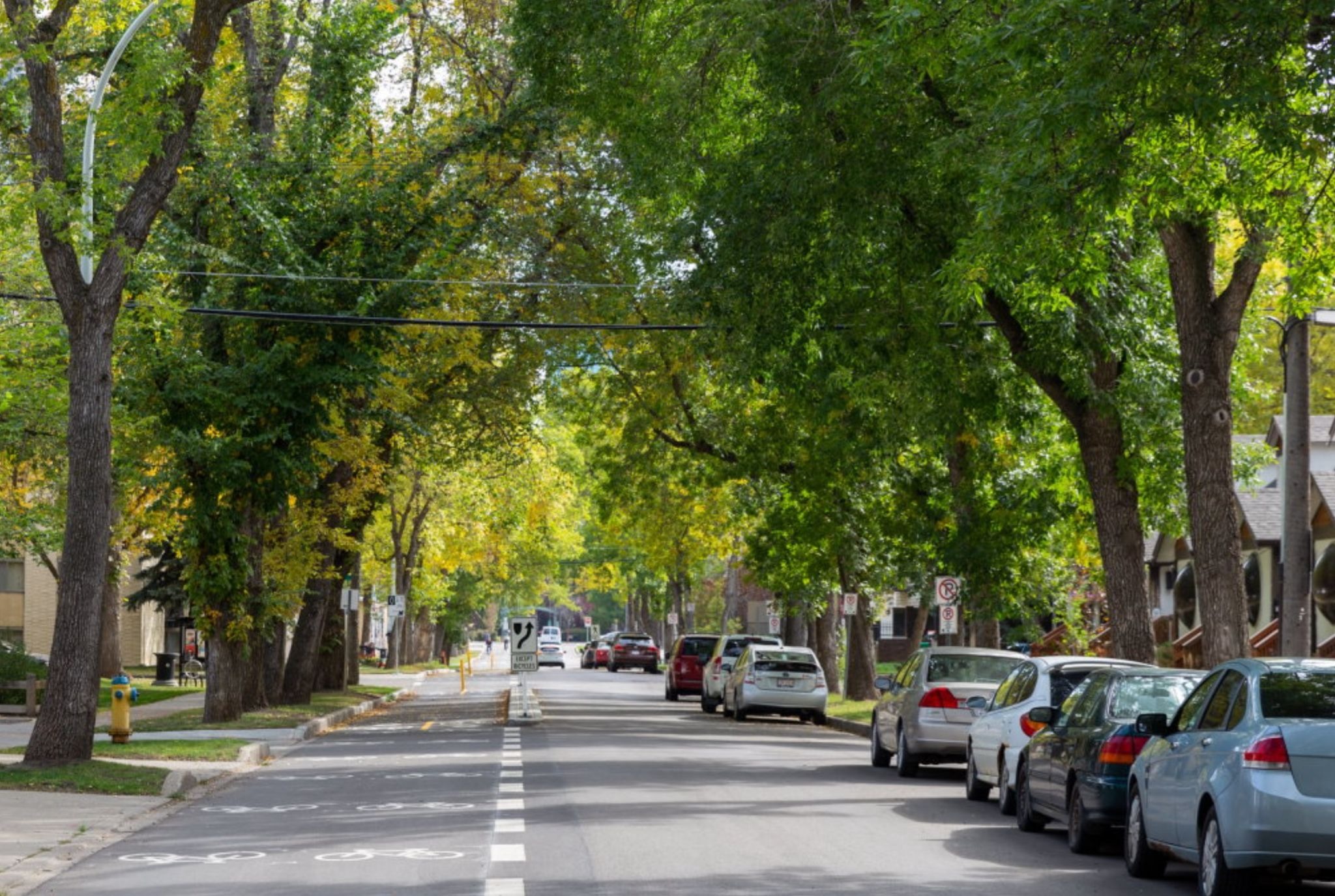
It is easy to celebrate a green city when looking at the River Valley, major municipal parks, and natural reserves. But the true state of urban forestry reveals itself on an ordinary residential block. How many trees grow there? What species are they? Are mature canopies preserved? Are young saplings being planted? And will they survive the coming decades?
Edmonton’s urban canopy is far more than just city property. A huge portion of these trees stands on private land, in backyards, and residential gardens. Planting a tree in a single yard may feel like a modest gesture, but multiplied across thousands of properties, it fundamentally reshapes the local microclimate.
The urban landscape varies considerably from one community to the next. In older neighborhoods, towering mature trees have outlived multiple home renovations. In newer developments, young saplings dominate. Some corridors feature uniform tree-lined streets, while elsewhere, homeowners curate lush private gardens. And Edmonton’s oldest trees are by no means confined to its largest parks.
Does Edmonton have shaded linden avenues reminiscent of historic European boulevards? That is an intriguing topic in its own right. While lindens thrive here and are familiar to locals, Edmonton’s urban canopy is far more diverse. Walk through the city, and you will spot maples, poplars, spruces, larches, birches, American elms, oaks, and more.
Choosing an urban tree is never just about aesthetics. What matters most is durability: whether a species can endure sub-zero winters, biting winds, dry soil, summer heatwaves, cramped root zones, road salt, and the relentless stress of city life. Surviving in a wild forest and surviving hemmed in between sidewalks, asphalt, and underground utilities are two entirely different prospects.
An Urbanized Environment: Which Trees Have Adapted Best to Edmonton
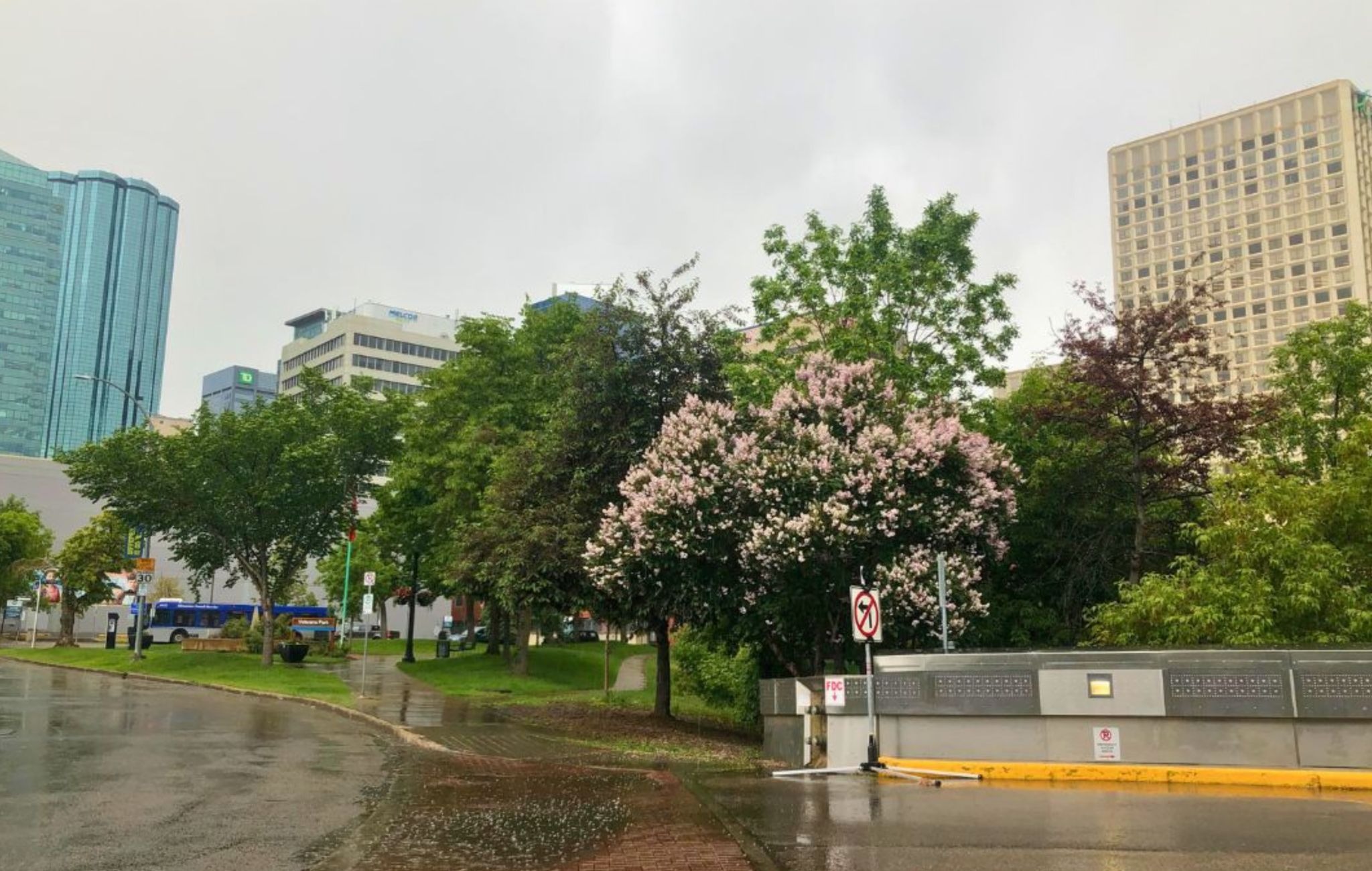
Edmonton does not go easy on trees. To thrive here, a tree needs serious resilience against freezing winters, dramatic temperature swings, buffeting winds, summer droughts, compacted soil, and prolonged dry spells. That is why urban foresters select species based strictly on site conditions rather than sheer visual appeal.
The city’s working palette includes Manitoba maples, balsam poplars, American elms, green ash, lindens, larches, white and Colorado blue spruces, pines, trembling aspens, and bur oaks. Crucially, Edmonton is prioritizing biodiversity. Over-relying on a single dominant species leaves the entire urban forest vulnerable to disease, invasive pests, and climate extremes.
Ash and elm trees provide a clear cautionary tale. When a single pest or pathogen decimates a mono-cultured population, the municipality loses far more than lumber. It loses vital canopy shade, environmental benefits, millions of dollars in removal and replacement costs, and decades of growth. Species diversity serves as Edmonton’s essential insurance policy.
Interestingly, “native” does not automatically mean “ideal for every backyard,” just as “introduced” does not imply “inferior.” Microclimate conditions dictate everything: sun exposure, soil moisture, wind intensity, and root clearance. That is why local planting guidelines preach a golden rule: choose the right tree for the right place, not the other way around.
Why Edmonton’s Green Infrastructure Matters to Everyone
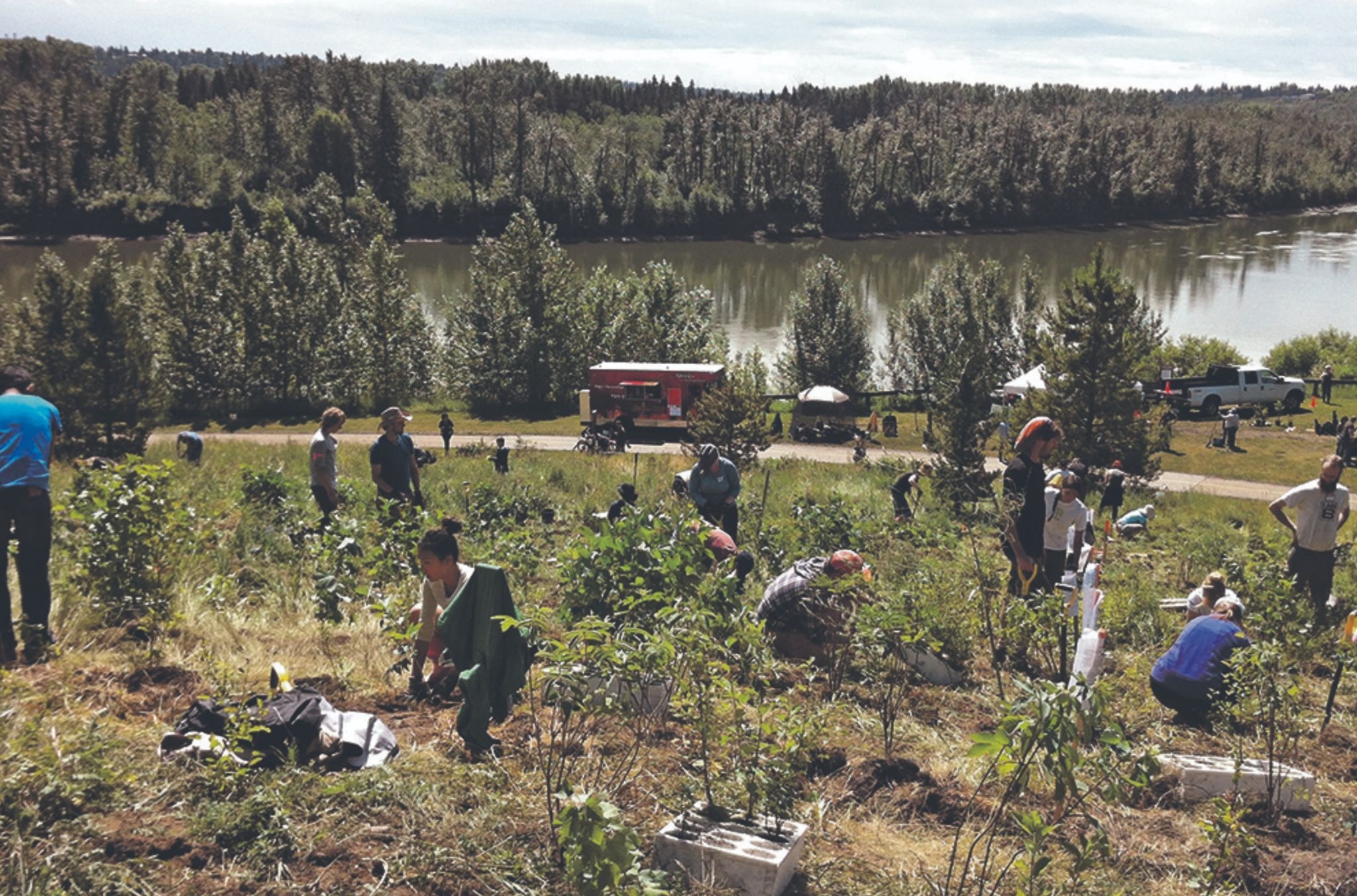
Edmonton’s urban forest is far more than just green patches on a satellite map. It connects the natural stands of the River Valley, heritage trees shading character homes, newly planted saplings in emerging suburbs, boulevard rows, and private backyard gardens. Together, they regulate local temperatures, manage stormwater, clean the air, sustain biodiversity, and make the city truly liveable.
The city has already set ambitious goals to expand its urban canopy. The rationale is clear: as weather patterns grow less predictable, trees are no longer treated as mere landscaping. They are functioning public infrastructure—one that requires no asphalt, draws no electricity, and asks for no buzzwords. All a tree needs is space to grow, water, and time.