

According to statistics from 1999, Edmonton generated over one million tonnes of waste annually, with most of it ending up in landfills. This pollution persisted until people realized that waste could be recycled and utilized. With the opening of a waste-to-fuel plant in Edmonton, the situation has significantly improved. Learn more about how this sorting facility operates in the article below on edmonton.name.
Why Is Waste Sorting Important?
- Recycling reduces the resources required to produce new products.
- Less waste means fewer landfills, reducing water, air, and soil pollution.
- Waste reduction programs unite communities around sustainability.
- A reduced waste load improves the quality of life for everyone.
The History of Edmonton’s Waste-to-Fuel Plant
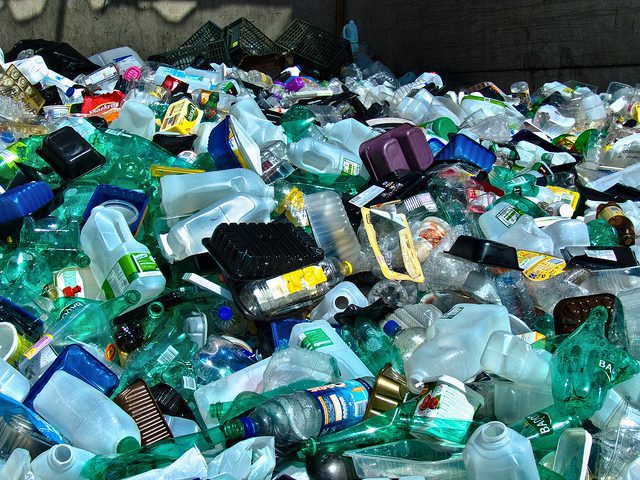
In 2000, Michel Chornet founded Enerkem, a company initially focused on reducing the viscosity of heavy petroleum products and bitumen. By 2015, Enerkem opened the Enerkem Alberta biofuel plant in Edmonton, becoming the first facility in North America to convert municipal waste into biofuels.
Enerkem Alberta is unique in its operation: it lacks smokestacks and produces fuel without polluting the environment. The facility processes waste without releasing harmful emissions into the air.
The plant produces methanol and ethanol from non-recyclable and non-compostable solid waste, supplied by Edmonton residents and local industries. The processed waste becomes fuel for vehicles and raw materials for everyday products. Enerkem Alberta has an annual production capacity of 38 million litres of methanol and ethanol.
How Does the Plant Operate?
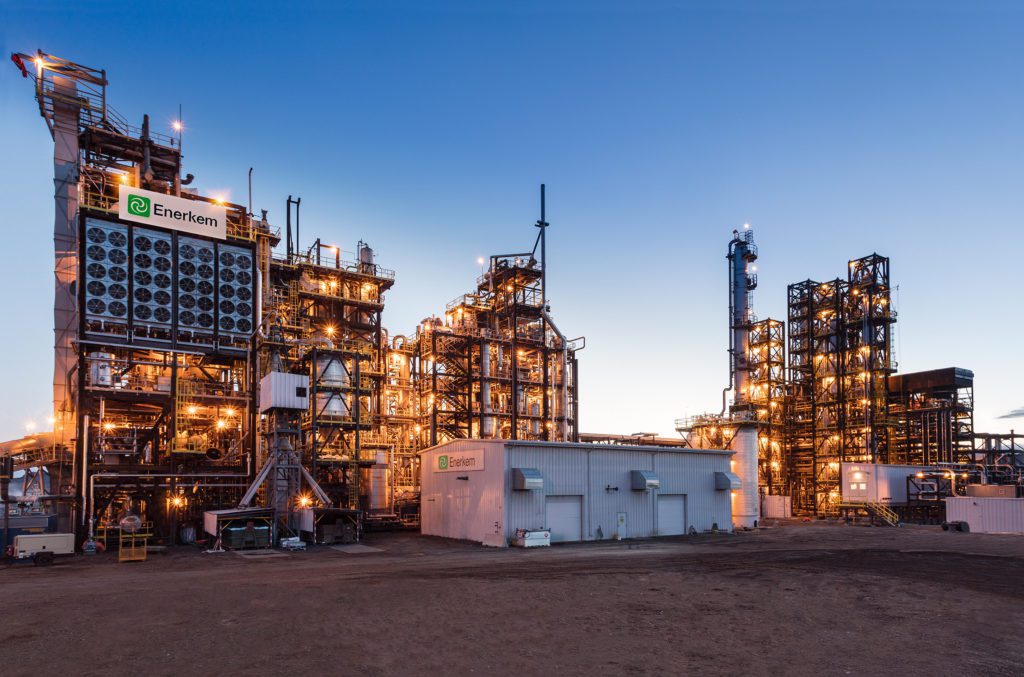
The plant operates in several stages, each with its own distinct role:
- Sorting Waste: Non-recyclable waste is sorted to create fuel. Waste containing carbon is prioritized.
- Gasification: Solid waste undergoes gasification, transforming it into synthetic gas made up of hydrogen and carbon molecules.
- Gas Purification: A patented technology removes harmful substances from the gas.
- Fuel Production: The purified gas becomes suitable for biofuel production.
The entire process takes just a few minutes, and no harmful emissions or chemicals leave the facility.
Advanced Equipment and Sorting Technology
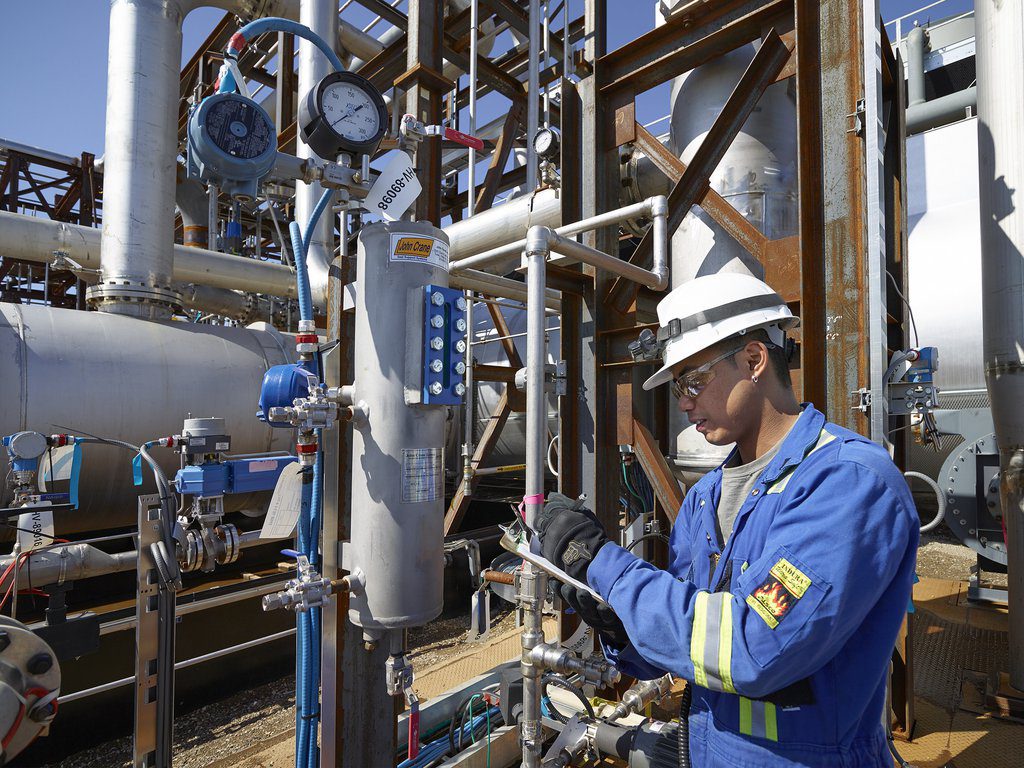
Enerkem Alberta uses state-of-the-art equipment to ensure efficient processing. Waste loaded into the gasifier is broken down at the molecular level. Two large drum screens with spikes rip open garbage bags and sort the contents.
The screens separate organic material and automatically divide waste by fractions. One fraction is sent for composting, while the other is used for biofuel production.
Unique Technology of Enerkem Alberta
Enerkem Alberta’s technology is unique because it combines waste recycling and composting. It processes waste that would otherwise be landfilled or incinerated, such as textiles, plastics, wood residues, and food containers.
Using municipal solid waste as a raw material for biofuel production offers many benefits:
- It doesn’t affect land use or compete with food production.
- It complies with international waste management standards.
- It reduces greenhouse gas emissions in the city.
By converting non-recyclable waste into biofuel, Enerkem Alberta helps to keep household waste out of landfills, reducing environmental and atmospheric pollution. Thanks to this plant, Edmonton has been able to significantly reduce the number of landfills and improve its ecological footprint.