

The mill established by brothers John and Robert Ritchie stands as a prime example of the significance of agriculture to Alberta. It is the oldest preserved flour mill in Alberta and one of the first in the West to utilize steam-powered steel rollers driven by water flow.
The mill is located in the residential area of Saskatchewan Drive, bordered to the south by industrial zones and surrounded by railway tracks. As part of the Old Strathcona district, it offers a picturesque view of the river valley. The building covers an area of 17,000 square feet.
More details are available at edmonton.name.
The Construction of Ritchie Mill
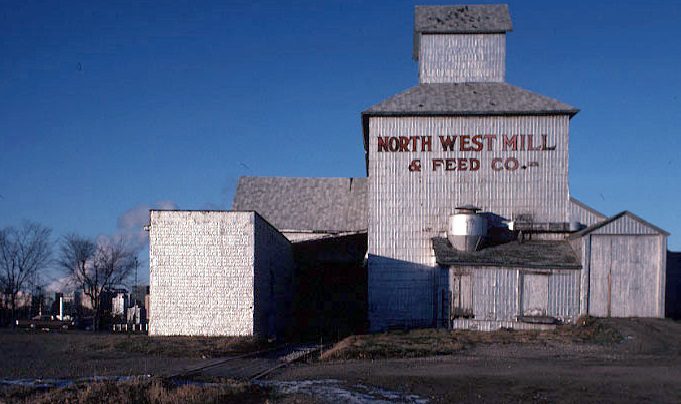
In February 1892, the Edmonton Milling Co. was registered, and by May of that same year, John and Robert Ritchie purchased a plot of land for building the mill at the terminus of the Calgary-Edmonton railway. Construction began in the spring of 1893, and by winter, the work was completed, allowing the three-storey mill to commence operations.
Business thrived, and in 1895, elevators were added to the mill to handle the growing volume of grain. Additionally, three lifts were installed within the building, enabling an expanded range of milled flour. Production volumes increased rapidly.
In 1912, John Ritchie sold the mill to the Northwest Mill and Feed Company, which operated it as a flour mill until 1948. Later, the facility was repurposed for producing livestock feed. By 1978, the mill was sold for $2 million.
Ritchie Mill as Heritage and Its Restoration
In 1979, Alberta’s Minister of Culture, Horst Schmidt, announced plans to designate Ritchie Mill as a historical landmark. The Old Strathcona Foundation also showed interest in preserving the site and initiated research into the building’s historical significance.
That same year, the mill was officially recognized as a historic landmark of Alberta. In his report, Toronto architect Doug Richardson described the mill as one of Alberta’s most intricate heritage sites. The mill complex consists of 16 structures, each with varying degrees of historical importance.
Research revealed that the mill is not only the oldest in Alberta but also one of the first of its kind in Canada. Furthermore, it remains one of the few surviving industrial buildings in Alberta, symbolizing the importance of agriculture to the province.
The mill’s square elevator stands as an excellent example of a once-common elevator design, adding to its heritage value.
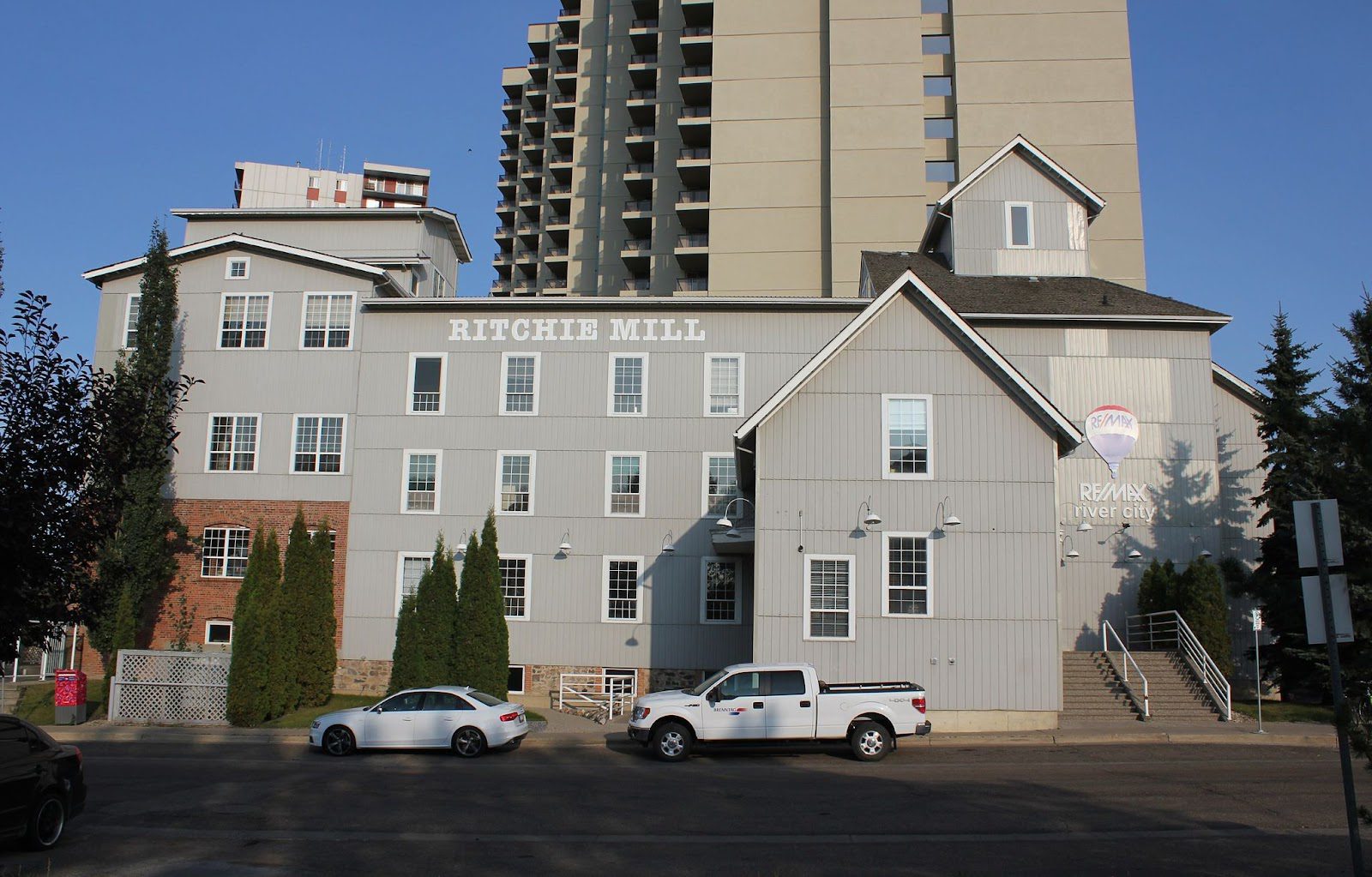
Following its designation as a heritage site, the Old Strathcona Foundation proposed a restoration project with strong public support. The restoration cost was estimated at $250,000, and the foundation managed to raise $150,000. A multi-storey residential tower was later built on the mill’s property.
Restoration Efforts in the 1980s
In 1983, the foundation launched another restoration program worth $1 million, led by renowned architect Brain Woolfanden. Woolfanden remarked that the building was in good condition and had the potential to last for decades. The foundation’s leader, Wes Kendler, planned to convert the mill into an office space with a restaurant and lounge, aiming to create 60 jobs.
During the restoration process, workers removed all the mill’s equipment, cleared layers of grain dust, installed new flooring, and enhanced insulation. Despite these efforts, the full restoration could not be completed due to a lack of funds, and the project was halted in 1984.
The Ritchie Mill Today
By 2012, the historic mill building was successfully transformed into a modern office and commercial space, housing multiple tenants while preserving its rich history.