

Edmonton is home to a variety of businesses that influence the environment in different ways. While many companies provide eco-friendly products and services, others contribute to environmental pollution. Let’s take a closer look at them on edmonton.name.
Blush Lane Organic Markets

These markets actively promote sustainable agriculture, ethical practices, and environmentally conscious actions. They maintain an eco-friendly business approach through several key methods:
- Green Energy. By investing in Bullfrog Power, a leading Canadian supplier of green energy, Blush Lane offsets its environmental footprint from electricity use. This means that the company calculates its total energy consumption and returns the same amount of energy to the grid, but solely from renewable sources such as hydro, wind, and biofuel.
- Organic Certification. A significant portion of Blush Lane’s products are organic, free from chemical fertilizers, pesticides, GMOs, and artificial colors. These products are cultivated in harmony with nature, offering exceptional health benefits and superior taste.
- Hydroponics. This technique involves growing plants in sand or gravel with added nutrients but without soil. Hydroponic systems are 90% more water-efficient and yield significantly more produce per unit of land.
- Minimal Food Waste. Through a partnership with SPUD.ca, an organic food delivery service, Blush Lane optimizes its inventory to reduce food waste. Instead of bulk ordering, they frequently stock smaller quantities of organic produce, ensuring fresher products for customers. Leftover food is safely composted or donated to organizations in need.
Eco-Friendly Printing

ION Print Marketing Solutions has been providing printing and marketing services in Edmonton for years. In 2008, the company launched several initiatives to become one of the most environmentally friendly print businesses in the city:
- Plant-Based Inks. Traditionally, most printing companies used toxic, chemically-laden inks that posed a major environmental threat. ION has transitioned to plant-based inks made from corn and soybean oil, eliminating petroleum-based components and reducing the release of volatile organic compounds (VOCs) into the air.
- Chemical-Free Printing Plates. Historically, printing plates were developed using harmful chemicals like benzene. Modern technology now allows for “clean” printing plates that conserve water and minimize chemical waste.
- Proper Waste Disposal. ION has implemented recycling programs for paper waste, plastic printing plates, and cardboard packaging. Each ton of recycled paper saves 17 trees and 380 gallons of oil.
Organic Products and Environmental Protection
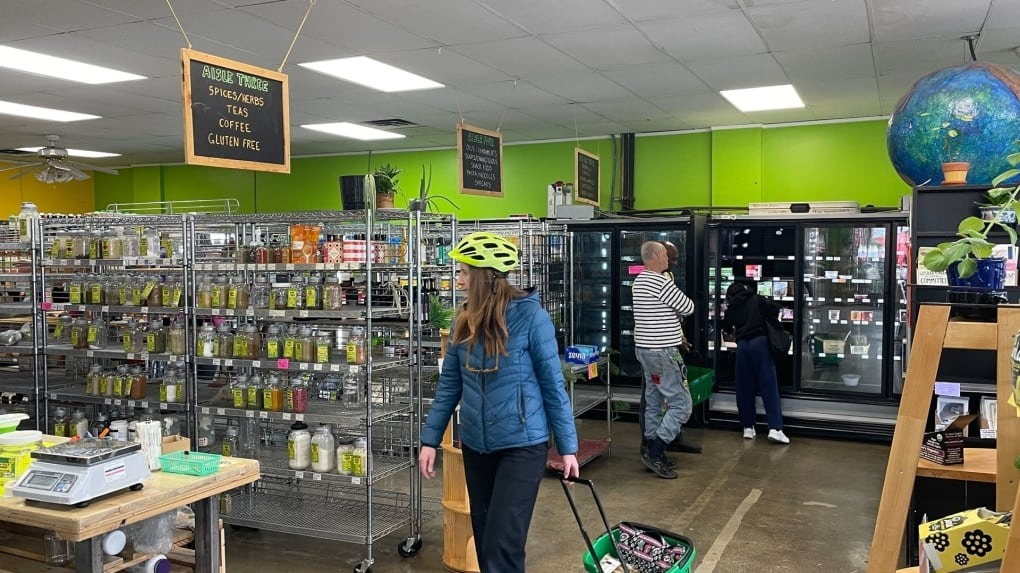
In 1991, Earth’s General Store opened as a wholesale supplier of eco-friendly products. By 2010, it had expanded into a full-fledged retail store, offering organic and environmentally sustainable goods. The store has taken significant steps to minimize its environmental impact:
- Renewable Energy Investment. The store has installed solar panels that generate over 10% of its total electricity needs.
- Energy-Efficient Lighting. Traditional fluorescent bulbs have been replaced with LED lighting to reduce energy consumption.
- Food Waste Reduction. Expired but safe-to-eat food is discounted or donated to those in need. Any remaining food waste is composted to minimize landfill contribution.
Charity and Environmental Improvement
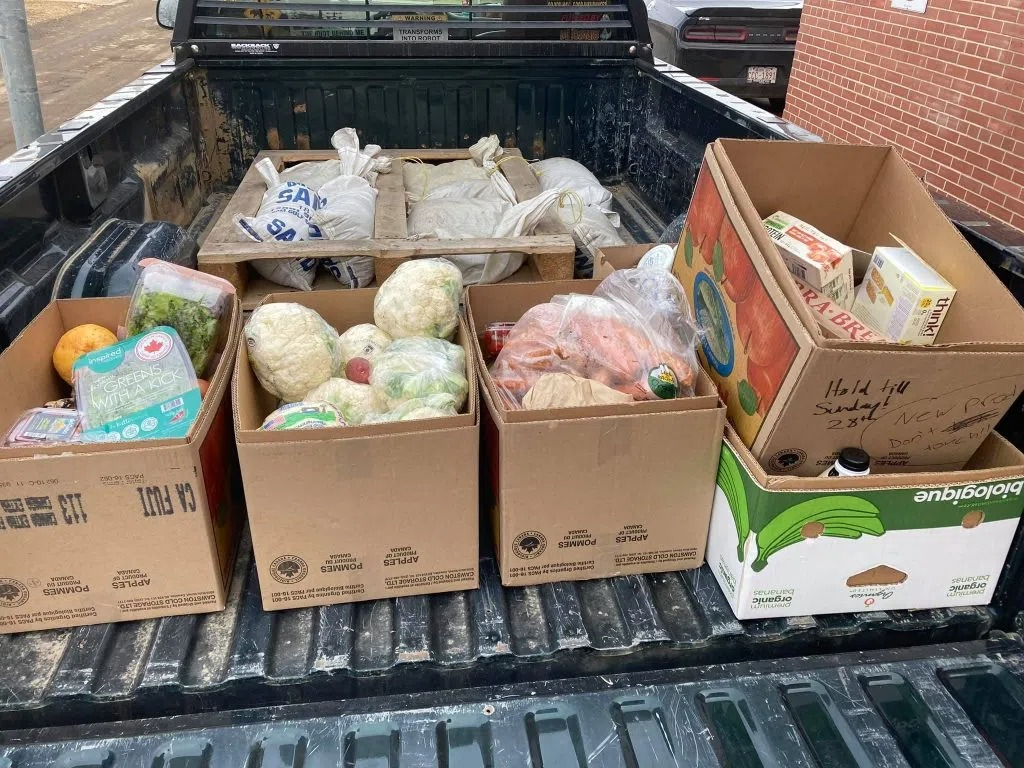
The Leftovers Foundation is one of Western Canada’s largest charitable organizations focused on food rescue and environmental sustainability. Its dual mission is to reduce food waste and improve access to nutritious meals.
- Food Redistribution. The foundation ensures that edible food does not end up in landfills but instead reaches those who need it most.
- Environmental Impact. Every Canadian discards over 170 kg of food annually. Decomposing food waste generates methane, a potent greenhouse gas. The foundation mitigates this problem by diverting surplus food away from landfills and tracking waste reduction progress.
Reuse and Recycling

The Edmonton Reuse Centre accepts various items from residents and redistributes them to organizations and individuals at minimal cost. Unlike other recycling centers, it processes a wide range of materials, including:
- Metal
- Craft supplies
- Office and school materials
- Plastic items
- Paper products
- Wooden items
On average, the center processes 28 tons of materials per month, significantly reducing landfill waste and promoting sustainability.
Environmental Damage

Unfortunately, some businesses in Edmonton contribute to pollution. The city’s industrial sector, including aluminum and oil refineries, is a major source of chemical emissions. Two companies, Imperial Oil and Suncor, have been identified as top polluters.
- Air Quality Concerns. Monitoring stations have recorded some of Alberta’s worst air quality levels in Edmonton, particularly near the oil sands. According to Alberta’s 2020 Airshed Report, nitrogen dioxide and fine particulate matter levels exceeded annual provincial air quality standards.
- Pollution Rankings. Government data from 2018 indicated that out of 336 polluting companies, Imperial Oil ranked 15th for fine particulate emissions, while Suncor ranked 22nd. For volatile organic compounds (VOCs), Suncor was 8th, and Imperial was 19th.
To combat environmental pollution, the governments of Alberta and Edmonton develop annual initiatives to improve air quality and protect natural resources. Refineries are required to implement advanced filtration systems to reduce their ecological footprint. However, continuous monitoring and stricter regulations remain necessary to ensure environmental sustainability.
As Edmonton progresses, it is crucial to support businesses committed to green practices while holding polluting industries accountable for their environmental impact.