

Various countries and cities are increasingly embracing sustainable development and environmental consciousness. Edmonton is no exception, dedicating significant attention to green building initiatives. The city’s commitment to eco-friendly development is reflected in various incentives encouraging builders to adopt sustainable and energy-efficient methods. More details on edmonton.name.
What is Green Building and Its Benefits for Society and the Environment?
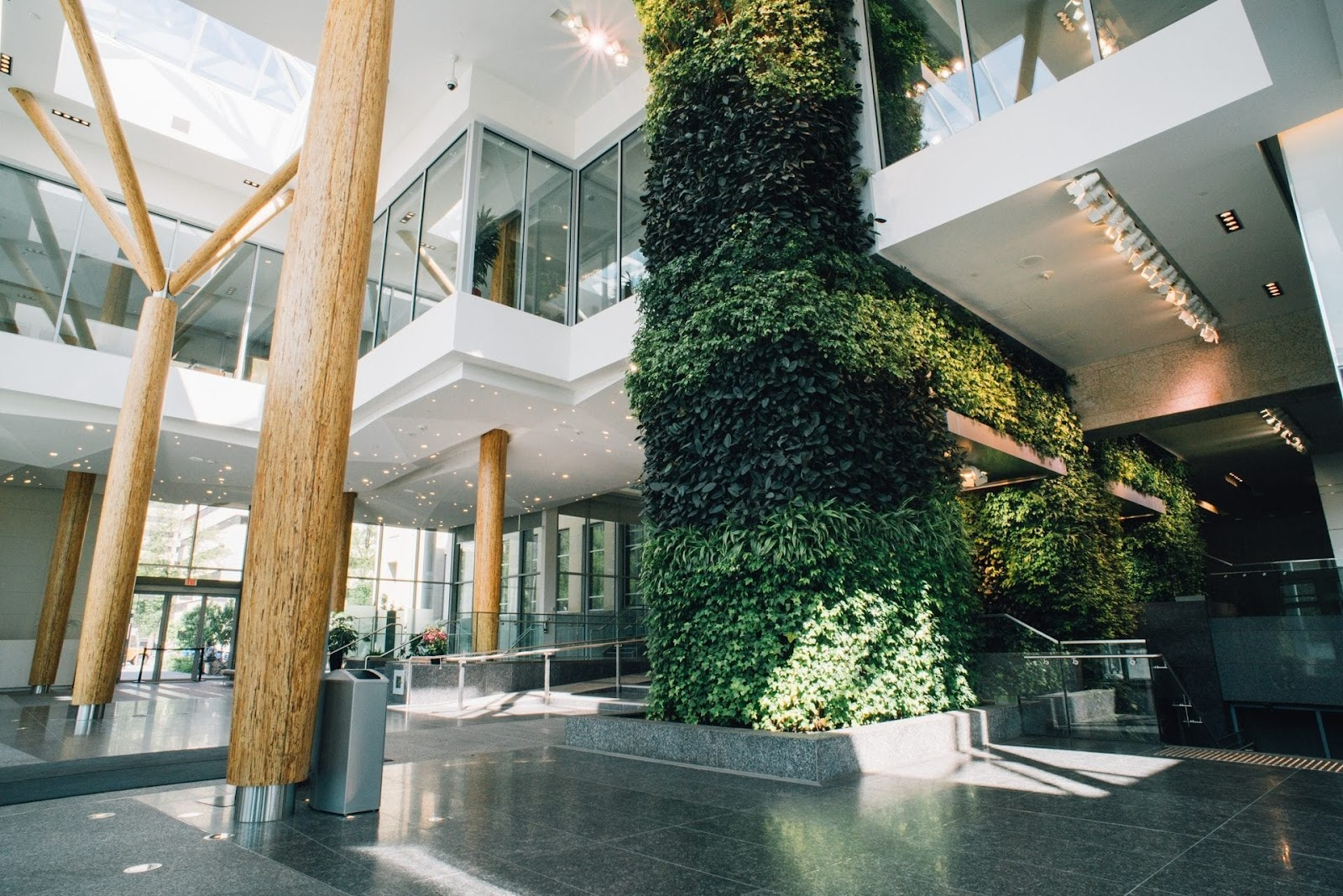
Green building refers to the construction and operation of buildings with minimal environmental impact. Structures built using this method adhere to all ecological standards and support Edmonton’s energy-saving goals by reducing greenhouse gas emissions. They also help preserve biodiversity, promote urban agriculture, and enhance comfort, productivity, and overall livability for occupants.
Key environmental benefits of green building include:
- Reduction of greenhouse gas emissions and waste;
- Expansion and protection of natural habitats and biodiversity;
- Conservation of natural resources.
Advantages for people include:
- Creation of comfortable indoor conditions in terms of air quality and thermal properties;
- Reduction of pollutants in water, air, and soil, thereby easing the strain on municipal infrastructure;
- Economic benefits from building operation;
- Lower maintenance costs.
The Growth of Green Building in Edmonton
Green building, also known as sustainable or eco-friendly construction, involves a holistic approach aimed at minimizing a structure’s environmental footprint throughout its lifespan. This includes resource-efficient design, maintenance, demolition, or deconstruction. In recent years, Edmonton has experienced a significant rise in sustainable construction, driven by ecological concerns, energy efficiency goals, and the desire to create healthier living environments.
Edmonton’s Commitment to Sustainable Construction
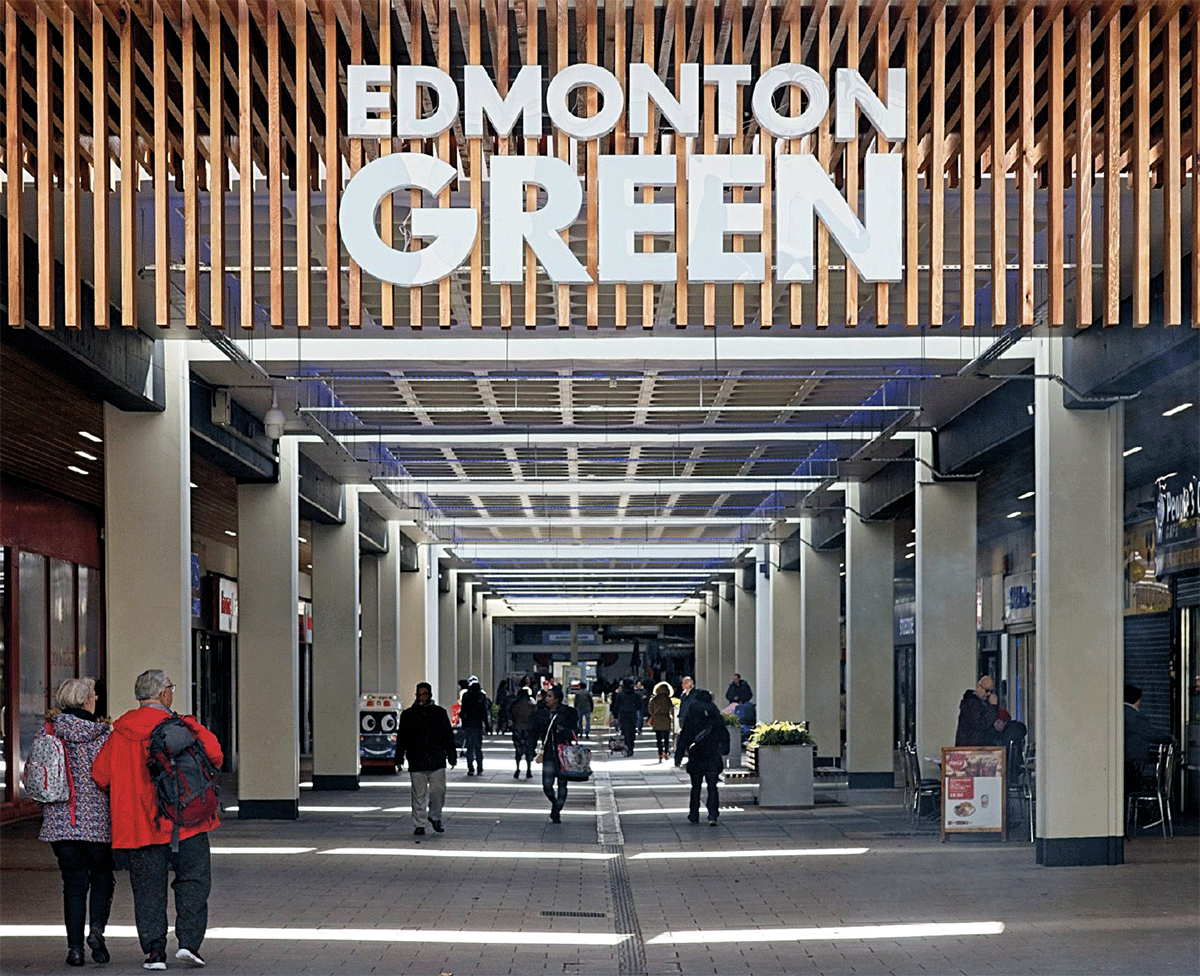
As a progressive and environmentally conscious city, Edmonton is taking essential steps to promote green building practices. City officials, in collaboration with stakeholders, have developed several initiatives to advance eco-friendly construction. These programs cater to both individual homeowners and commercial developers.
One of the key incentives is energy efficiency rebates. Perhaps the most crucial aspect of green construction in Alberta’s capital is the availability of rebates for energy efficiency upgrades. These rebates are offered to homeowners and builders investing in energy-efficient modernization or installing energy-saving appliances in their properties. The rebates cover windows, systems, LED lighting, and insulation materials. By offsetting the initial costs of these upgrades, the city encourages the integration of energy-efficient features into buildings, leading to lower energy consumption and reduced utility bills.
LEED Certification and Solar Energy
Leadership in Energy and Environmental Design (LEED) is a globally recognized green building certification system. Edmonton incentivizes developers to pursue LEED certification for their projects through tax benefits and grants. LEED-certified buildings are designed to minimize waste, optimize energy use, and utilize environmentally friendly materials. By implementing and promoting this certification, Edmonton aims to enhance overall sustainability and reduce greenhouse gas emissions.
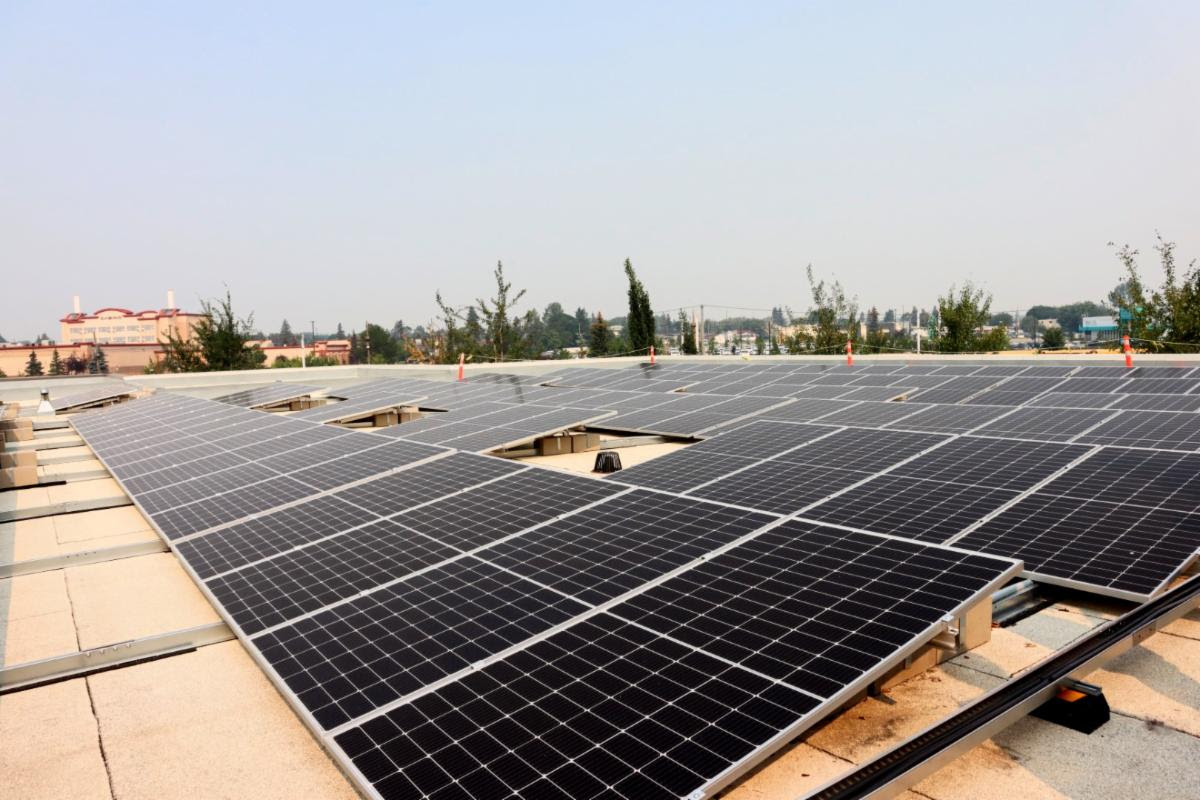
A crucial component of these initiatives is solar energy. Edmonton receives ample sunlight year-round, making it an ideal location for solar energy adoption. The city offers various incentives, including tax benefits and grants, for installing solar panels and utilizing this renewable energy source in buildings. These incentives not only support a future of clean and renewable energy but also reduce reliance on traditional fossil fuels.
Green Roofs and Water Efficiency
Green roofs represent an innovative approach to sustainable construction, incorporating vegetation on building rooftops. They provide numerous environmental benefits, including improved air quality, reduced urban heat island effects, and enhanced stormwater management. Edmonton encourages the adoption of green roofs through grants and incentives, fostering ecological development and strengthening green infrastructure within the city.
Water efficiency is another critical aspect of green building. The city is committed to ensuring developers incorporate water-saving technologies such as low-flow fixtures, rainwater harvesting systems, and efficient irrigation methods. These initiatives help conserve water resources and reduce the burden on municipal water infrastructure, contributing to more sustainable water management practices.
Waste Reduction Programs and Support for Education and Training
Green building extends beyond traditional practices, encompassing various strategies for waste reduction during and after the construction process. Edmonton encourages developers to implement waste reduction programs, promoting a circular economy and minimizing environmental impact.
To foster a culture of green building, the city provides extensive educational and training support for builders, architects, and other professionals. Workshops and seminars raise awareness about sustainable construction methods. This support ensures industry professionals stay informed about the latest advancements in green building and effectively implement eco-friendly measures.
Green Buildings in Edmonton
- Animal Care & Control Centre – This facility provides care and shelter for lost and stray animals. It features numerous energy-efficient elements and received LEED certification in 2014.
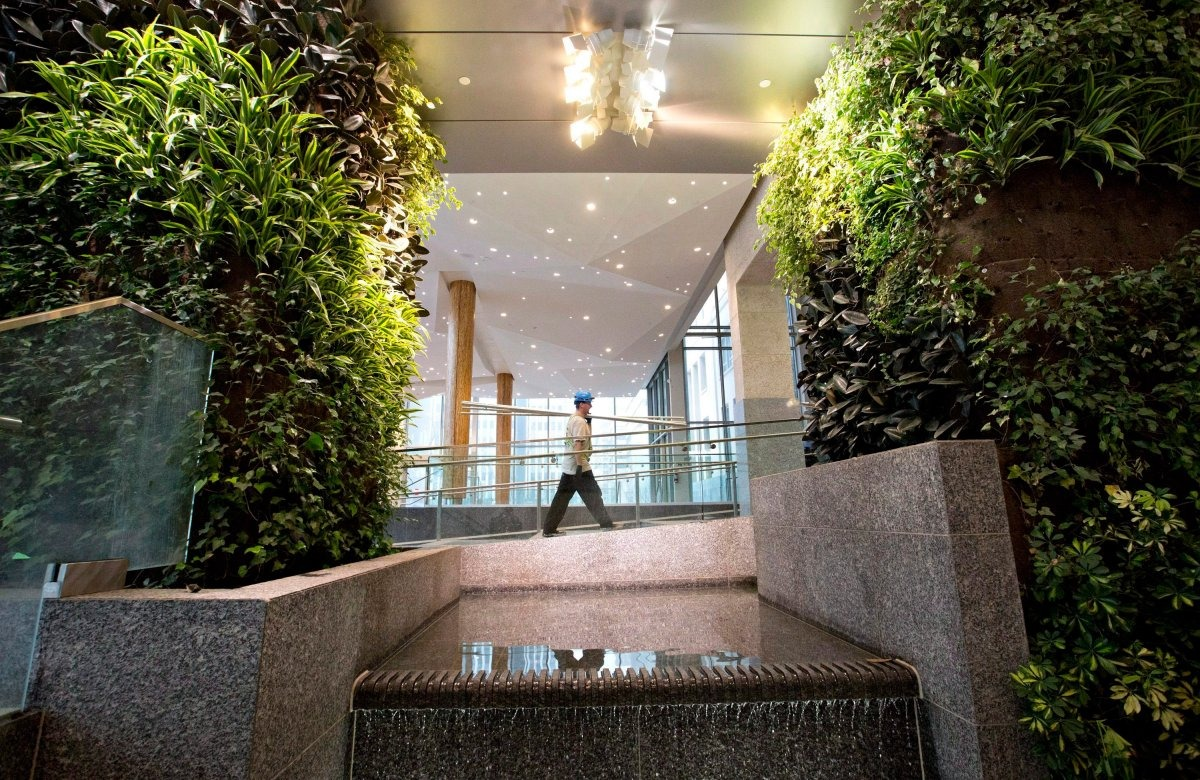
- City Hall – This building incorporates multiple green elements and is 17% more energy-efficient than the national average for office buildings.
- Kennedale Eco Station – Located in northeast Edmonton, this integrated waste collection facility is LEED-certified.
- Meadows Fire Station No. 26 – Equipped with a 5-kilowatt solar photovoltaic system that helps generate energy for on-site consumption.
- Queen Elizabeth Outdoor Pool – Designed as a modern green space that seamlessly integrates with Edmonton’s river valley. It includes numerous passive design elements and solar systems that provide electricity and water heating.
Edmonton’s initiatives to encourage and promote green building highlight the city’s commitment to creating a sustainable and resilient urban environment for future generations. The variety of incentives, from rebates to certification support, demonstrates a comprehensive approach to advancing eco-friendly construction methods. By incorporating clean building principles into projects, professionals contribute not only to environmental conservation but also to economic efficiency, allowing them to optimize their budgets while making a positive impact on the planet.