

Edmonton is constantly grappling with environmental challenges, primarily driven by urban development and climate change. To safeguard our environment, the city and its residents are actively developing and implementing special programs and strategies. These initiatives focus on mitigating climate change through efforts like energy efficiency and the use of renewable energy sources. The city is also dedicated to protecting and enhancing its natural spaces. Let’s dive deeper into Edmonton’s environmental efforts at edmonton.name.
Major Environmental Hurdles Facing the City
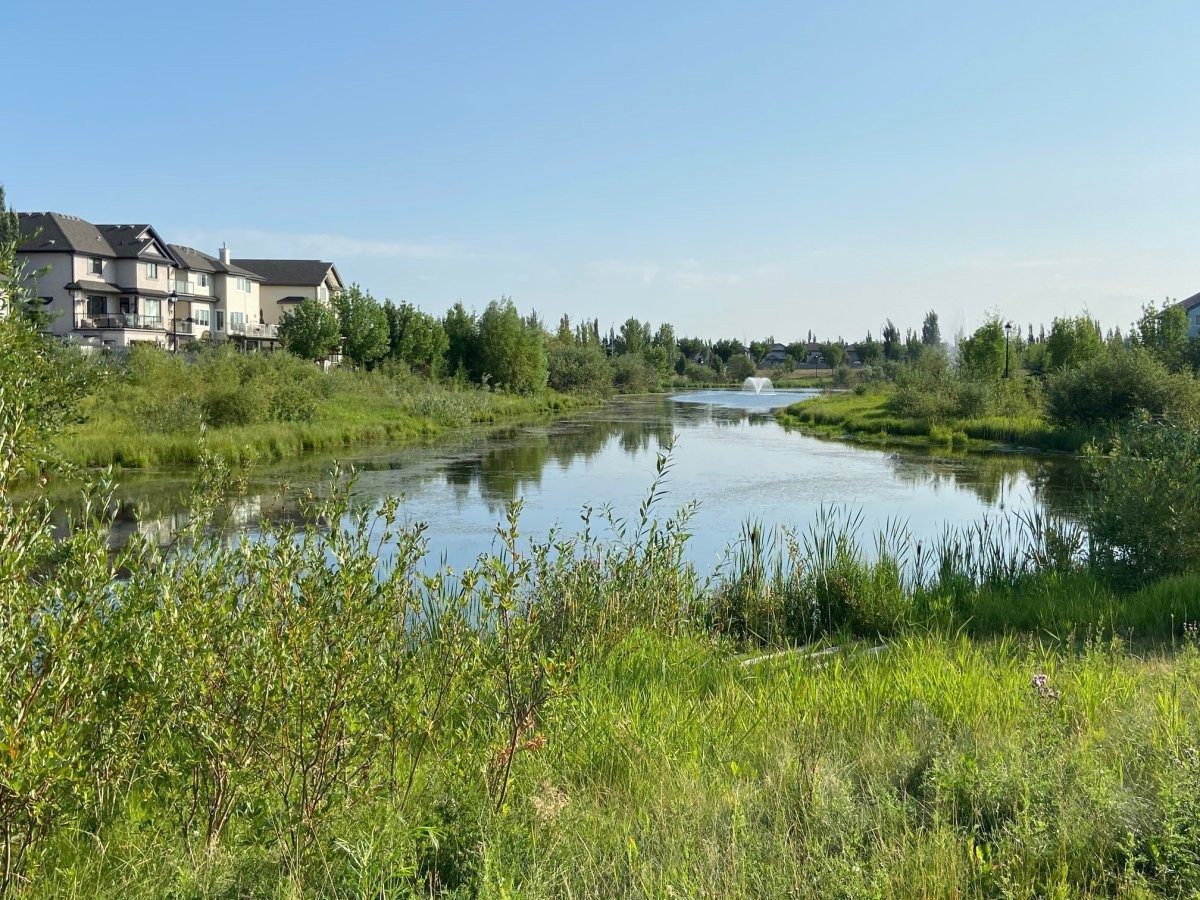
Edmonton boasts an incredible diversity of plant and animal life. Nestled in a transition zone between grasslands and boreal forests, the city offers a unique blend of climatic and ecological conditions that support a wide array of species from neighbouring regions. The wildlife in the North Saskatchewan River Valley includes vegetation like aspens, poplars, and roses, as well as mammals such as beavers and deer. However, the biodiversity in the river valley is currently under threat from resource extraction, agriculture, and urban development. Edmonton’s population has swelled over the past few years, leading to rapid expansion into agricultural landscapes.
Another pressing environmental issue is the impact of climate change. The city has experienced significant temperature spikes in summer and extreme drops in winter, alongside shifts in precipitation patterns. These changes negatively affect ecosystems and worsen air quality during wildfire season. It’s also worth noting the ongoing struggle with air quality. While Edmonton has made considerable progress in some areas, numerous factors continue to negatively impact air quality.
The Benefits of Environmental Protection
A healthy ecological network is crucial for many reasons:
- It provides a good habitat for native plants and wildlife.
- It supports natural processes like soil regeneration, flood prevention, waste decomposition, crop pollination, and seed dispersal – all vital for human life.
- It connects urban dwellers with the natural world, offering opportunities to learn more about plants and natural processes.
- It provides beautiful spaces for recreation, relaxation, and physical activities, boosting both physical and mental well-being.
The City’s Natural Areas and Climate Change Action

Edmonton is blessed with a fantastic network of natural areas, including forests, shrublands, grasslands, wetlands, and lakes. The North Saskatchewan River Valley is the city’s primary ecological system. Older parts of Edmonton feature many small natural areas, while newer developments tend to dominate. These natural areas, with their diverse vegetation, contribute to local biodiversity. However, they aren’t the only places where nature thrives. Increasingly, it’s flourishing in the spaces between these large protected areas: in schoolyards, community gardens, wetlands, and on farms. People are actively working to bring nature into their neighbourhoods, thereby building and improving the ecological network.
To protect natural areas and biodiversity, the city’s natural areas planning and operations teams coordinate their efforts. They actively collaborate with various departments, implementing unique programs. To support and improve air quality, initiatives aimed at managing regional emissions are being developed.
The city is also taking proactive steps to address climate change, striving for a low-carbon future and recognizing the importance of renewable energy generation. Edmonton is expanding its efforts to ensure resilience and mitigate the impacts of climate change for the well-being of current and future generations. In response to climate challenges, the city has developed several key initiatives. The Energy Transition Strategy, approved by City Council in 2021, is one of them. It aims to transform the economy and urban landscape by rethinking energy production methods. Edmonton’s commitment to sustainable development and climate action underscores the city’s readiness to tackle even the most complex environmental issues. Through collaborative efforts and strategic planning, Edmonton aims to build a resilient and stable future for all its ecosystems and residents. The city partners with various stakeholders to promote environmental education and awareness.
Partnerships with organizations like Alberta Capital Airshed and All One have facilitated initiatives such as “Clean Air Day” and “Energy Cafes,” leading to significant community engagement and environmental education. Collaboration with Alberta Ecotrust (AE) helped Edmonton become the first municipal partner and establish a climate innovation fund.
Edmonton also supports educational initiatives through the formal education system. Partnerships with public schools have led to innovative programs like City Hall School and Enquiring Minds, providing students with hands-on learning experiences in local governance and environmental sustainability.
Positive Outcomes
The approval of the updated zoning bylaw has been a powerful tool in the city’s policy arsenal. It has helped promote compact urban development, making public and private transportation more viable and reducing greenhouse gas emissions from transport.
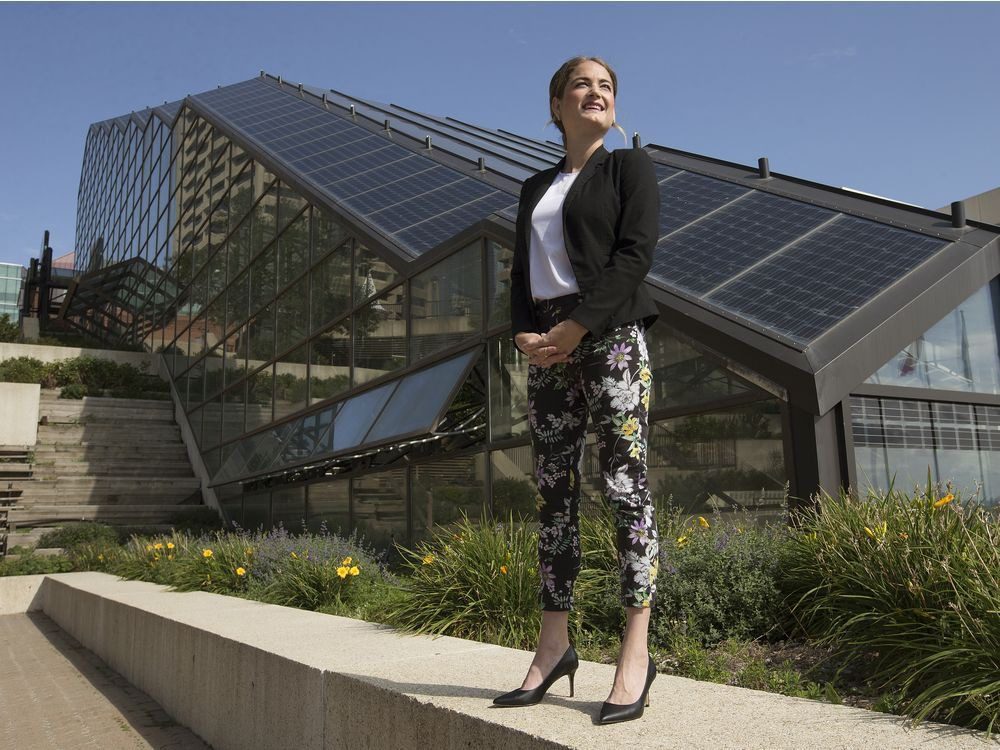
In 2019, the city allocated $6 million to support residents in transitioning to solar energy. This led to the installation of 1,927 solar panels in residential buildings, generating over 16 megawatts of clean energy. Beyond the environmental benefits, this strategy has helped residents save money by reducing electricity costs.
Under the Alberta EcoTrust Home Upgrade Program, an $800,000 financial contribution is aimed at educating and upgrading up to 100 low-income households, helping them reduce energy costs.
The installation of solar photovoltaic systems on city facilities and in public organizations has resulted in 23 companies installing these systems with a total capacity of 390 kilowatts. One of the facilities with solar PV systems is the Expo Centre, which now boasts the country’s largest rooftop solar array. Additionally, 80% of Edmonton’s conventional streetlights have been replaced with energy-efficient LED versions. This has not only reduced energy consumption but also enhanced safety and visibility throughout the city. Environmental awareness has also extended to transportation. Edmonton Transit Service (ETS) has begun implementing electric buses, with 60 in its fleet as of 2025. The company has also started testing two hydrogen buses in Alberta.
Innovations in waste collection are also noteworthy. The city is investing in upgrading the gas collection system at the Clover Bar Landfill and constructing a landfill gas processing facility, which began operation in 2024. This facility converts landfill gas into renewable natural gas, significantly reducing greenhouse gas emissions.
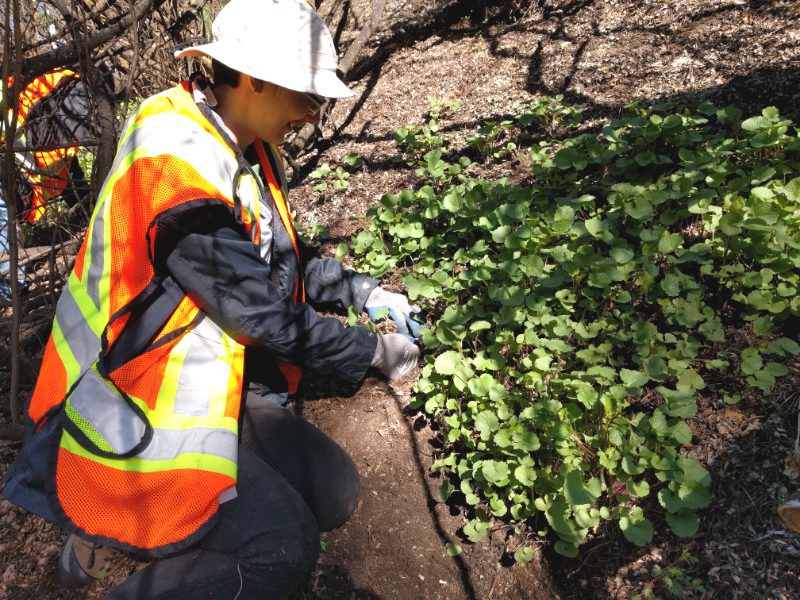
From 2023 to 2025, Edmonton planted 5,164 new boulevard trees. Furthermore, 33 hectares have been naturalized by planting 119,987 tree seedlings, 118,089 shrubs, and 13,321 flowers, thereby revitalizing the urban environment.
All these efforts have led to Edmonton being recognized by the Carbon Disclosure Project (CDP) as one of 119 cities worldwide taking bold steps to protect the environment and improve ecology.
