

Climate change is one of the most pressing global issues we face today, and Edmonton is no stranger to its challenges. Yet, despite the odds, this city has emerged as a leader in implementing initiatives to combat this problem. We’ll dive into how Edmonton is prioritizing environmental well-being and much more, right here on edmonton.name.
Edmonton’s Key Climate Action Initiatives
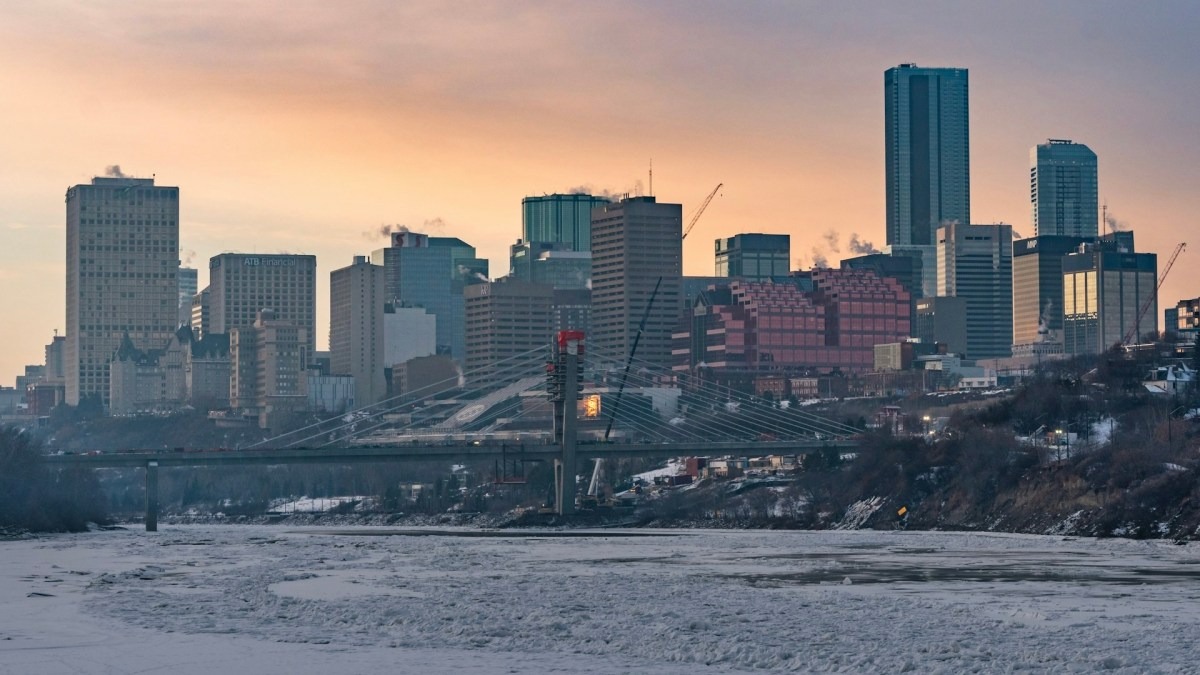
Alberta’s capital has rolled out a significant number of specialized measures to fight climate change. These include:
- Promoting sustainable transportation, like encouraging cycling and public transit use.
- Implementing energy efficiency policies in both municipal and residential buildings.
- Adopting renewable energy sources such as solar and wind power.
- Developing educational and awareness programs focused on climate change.
Benefits of Edmonton’s Climate Action

The city’s actions are yielding a variety of positive outcomes:
- Improved air quality and resident health: Reduced greenhouse gas emissions and better air quality lead to an overall boost in the quality of life. This means lower rates of illness and a more comfortable living environment for everyone.
- Job creation and economic growth: Investments in clean energy, energy-efficient buildings, and green infrastructure are creating new jobs, stimulating economic growth. The shift to a low-carbon economy also lowers energy costs and boosts energy independence.
- Increased resilience to natural disasters: Battling climate change also means building greater resilience to extreme weather events like floods, droughts, and hurricanes.
A Bold Start to Climate Action
Edmonton is no stranger to taking bold steps against climate change. In 2019, the city council declared a climate emergency. Since then, the city has intensified its efforts to reduce its climate impact, setting ambitious goals and rolling out numerous programs to help Edmontonians shrink their carbon footprint.
Today, Edmonton boasts over 11,000 kilometres of public bike paths, which has doubled daily cycling usage in the city over the past decade. By implementing this plan to provide residents with safe and eco-friendly travel options, the city continues its transition towards low-carbon transportation.
Clean Energy and Energy Consumption Improvement Programs
It’s crucial to acknowledge that the Canadian Prairies are experiencing the fastest warming outside of the Arctic. This significantly increases the risk of floods, droughts, and more frequent extreme heat events. Over the past 20 years, climate-related insurance costs in Alberta have surged. Since the 1990s, Alberta has accounted for six of Canada’s ten largest climate-related insurance claims. Clearly, climate change is negatively impacting GDP and causing substantial damage to infrastructure, property, and healthcare costs.
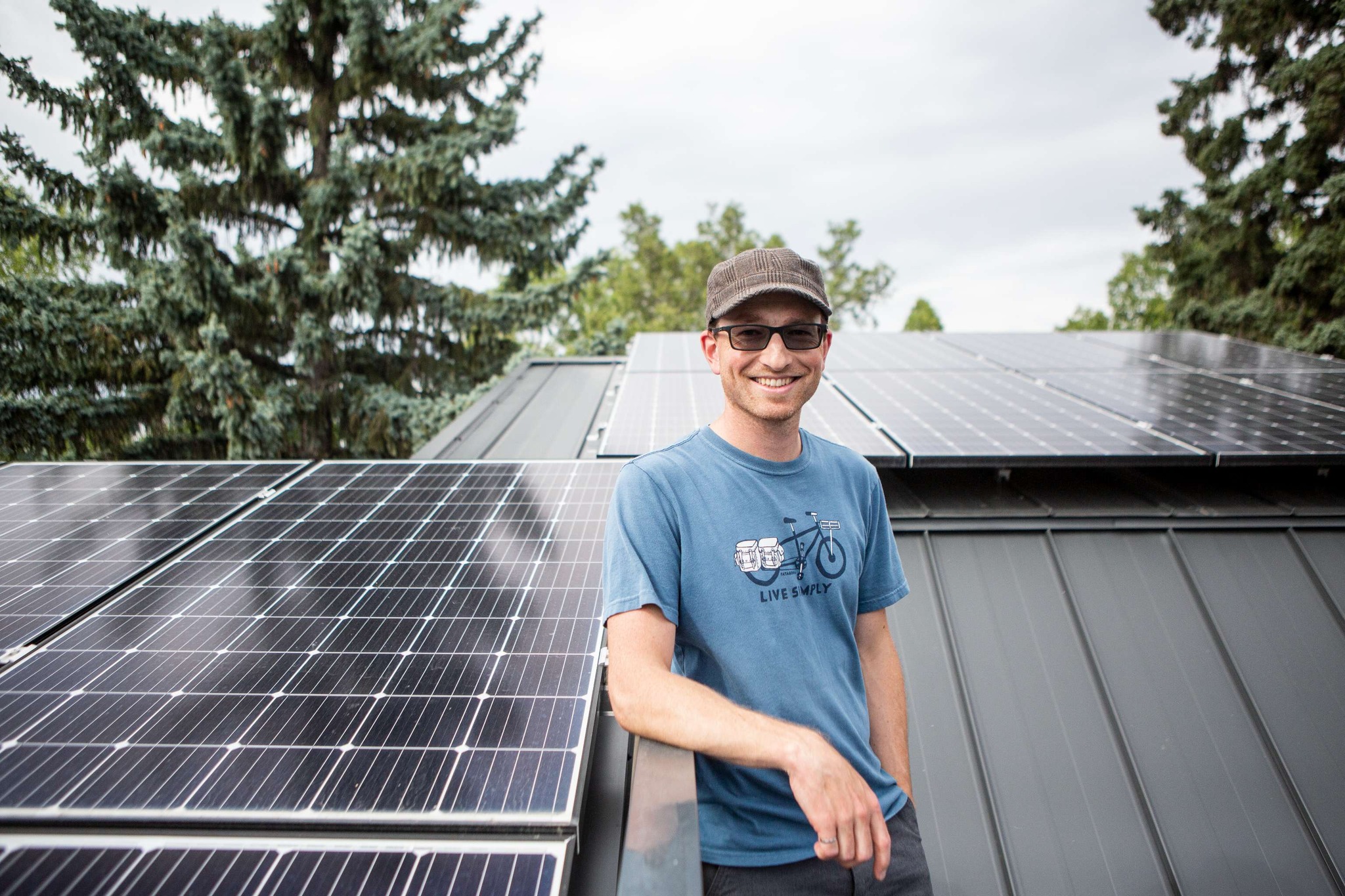
In response, Edmonton is heavily focused on empowering homeowners and businesses to reduce their energy needs and build a city resilient to climate change. This led to the introduction of the special Clean Energy Improvement Program. This program helps residents upgrade their homes by providing access to new windows and insulation. The costs are gradually recouped over several years through property taxes. Since its launch, a significant number of people have opted into the program, highlighting Edmontonians’ interest in these types of projects.
The Home Energy Retrofit Accelerator was also launched to help homeowners understand their home’s energy consumption and offers financial incentives to encourage deep energy retrofits. Additionally, the SOLAR Rebate program incentivizes the use of solar energy. Notably, since 2019, the Residential Solar Rebate program has funded over 800 new solar installations with a total capacity of 5.6 MW.
Greenhouse Gas Management and Efficient Modernization
Edmonton serves as the economic hub of northern and central Alberta, and a key point in Canada’s oil and gas industry. The city sits on one of the world’s largest oil, gas, and oil sands deposits. Edmonton is using innovative approaches to protect and manage urban biodiversity, including ecological design in new developments. The city’s ecological approach aims to protect natural areas as a single, integrated system and is considered a globally renowned example of best practice in urban biodiversity. Consequently, the city has implemented a composting program, landfill gas collection, and energy-efficient modernization.
The city has developed a unique plan for managing greenhouse gas emissions in urban infrastructure, aiming for a 50% reduction in city emissions. Furthermore, Edmonton began procuring affordable electricity from renewable sources on the grid, reaching 25% by 2020, and accelerated and improved several existing energy efficiency programs. As part of the initiative to retrofit existing buildings, 3% of the city’s building stock is renovated annually, boosting energy efficiency by a full 30%.
The transition to new street lighting was also accelerated and completed in 2017. Greenhouse gas emissions from decommissioned landfills within the composting program were reduced through energy efficiency measures. A sustainable fleet management plan made the municipal vehicle fleet more eco-friendly through measures like vehicle size optimization, extensive use of biofuels, and the purchase of hybrid cars. It’s projected that efforts to double the urban tree canopy area by 2090 will lead to significant annual reductions in greenhouse gas emissions.
Blatchford: Environmental Protection and Climate Action
A prime example of Edmonton’s commitment to sustainable development is its Waste Management Centre of Excellence, considered the largest complex of its kind in North America. This research and development facility focuses on waste processing and has helped the city achieve a 60% waste diversion rate on its path towards a zero-waste goal. The centre includes facilities for converting waste to biofuel, composting, metal recycling, and a landfill gas and construction material recovery centre.
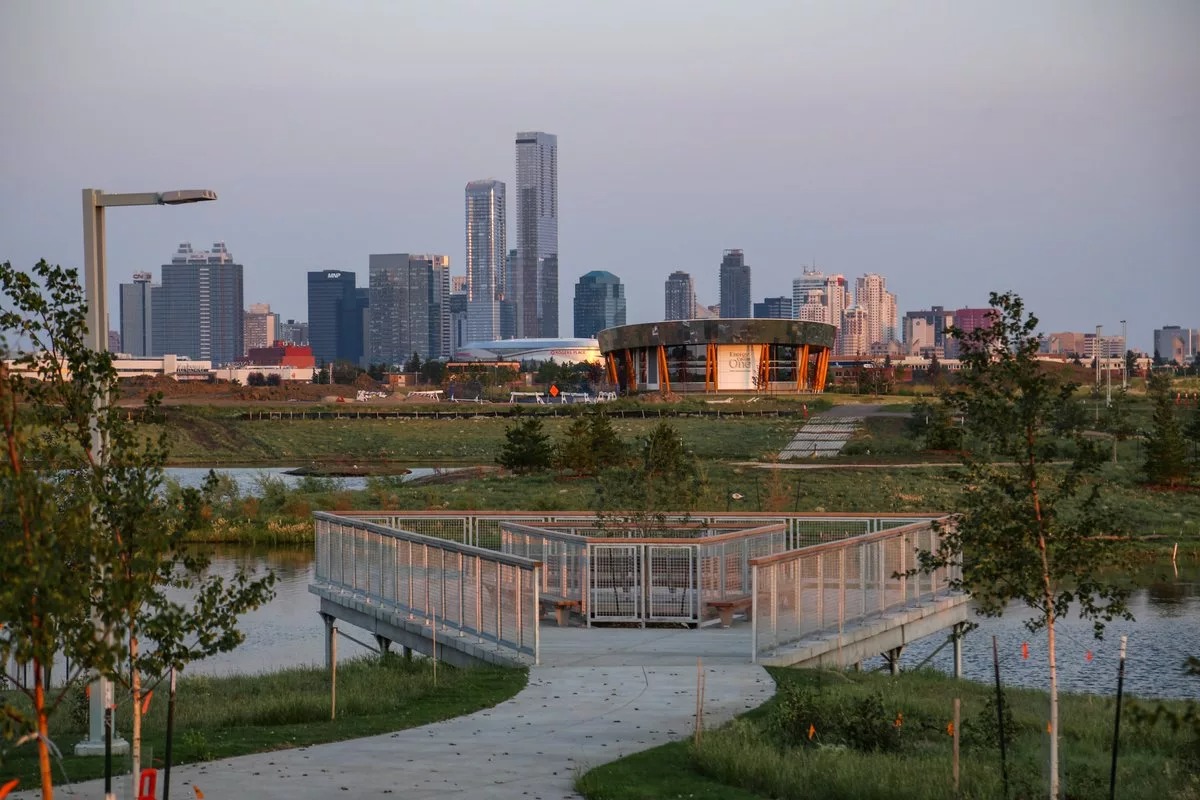
In 2020, the Blatchford project won the FCM Award in the “Local Communities” category. This initiative showcases creativity and innovation. The project is a sustainable residential complex where people can live and work, using exclusively renewable energy sources, striving for carbon neutrality. Built on the 536-acre site of the former municipal airport in the heart of Edmonton, the complex uses innovative systems to achieve a range of environmental, social, and economic benefits.
The main goal of this initiative is to create a carbon-neutral district that relies solely on renewable energy. The district energy system reduces overall energy consumption by a full 20%. Greenhouse gas emissions from homes and buildings are 75% lower than in traditional neighbourhoods. This translates to an estimated saving of about 30,000 tons of greenhouse gases annually.
It’s important to note that this project supports Edmonton’s climate change strategy and greenhouse gas emission reduction efforts. The community’s land-use planning, based on exemplary design and planning criteria, includes attractive public spaces, cycling and pedestrian paths, and much more.
In conclusion, Edmonton has numerous programs aimed at combating climate change, improving urban living, and protecting the environment. This demonstrates the city’s tremendous efforts towards sustainable development and its dedication to environmental stewardship.
