

The flora of Edmonton is rich with a wide variety of plant species. Take a stroll through the city’s streets, parks, and green spaces, and you can enjoy their beauty and vibrant blossoms. We’ll take a closer look at the most common plants in Alberta’s capital right here on edmonton.name.
Common Chokecherry (Prúnus pádus)
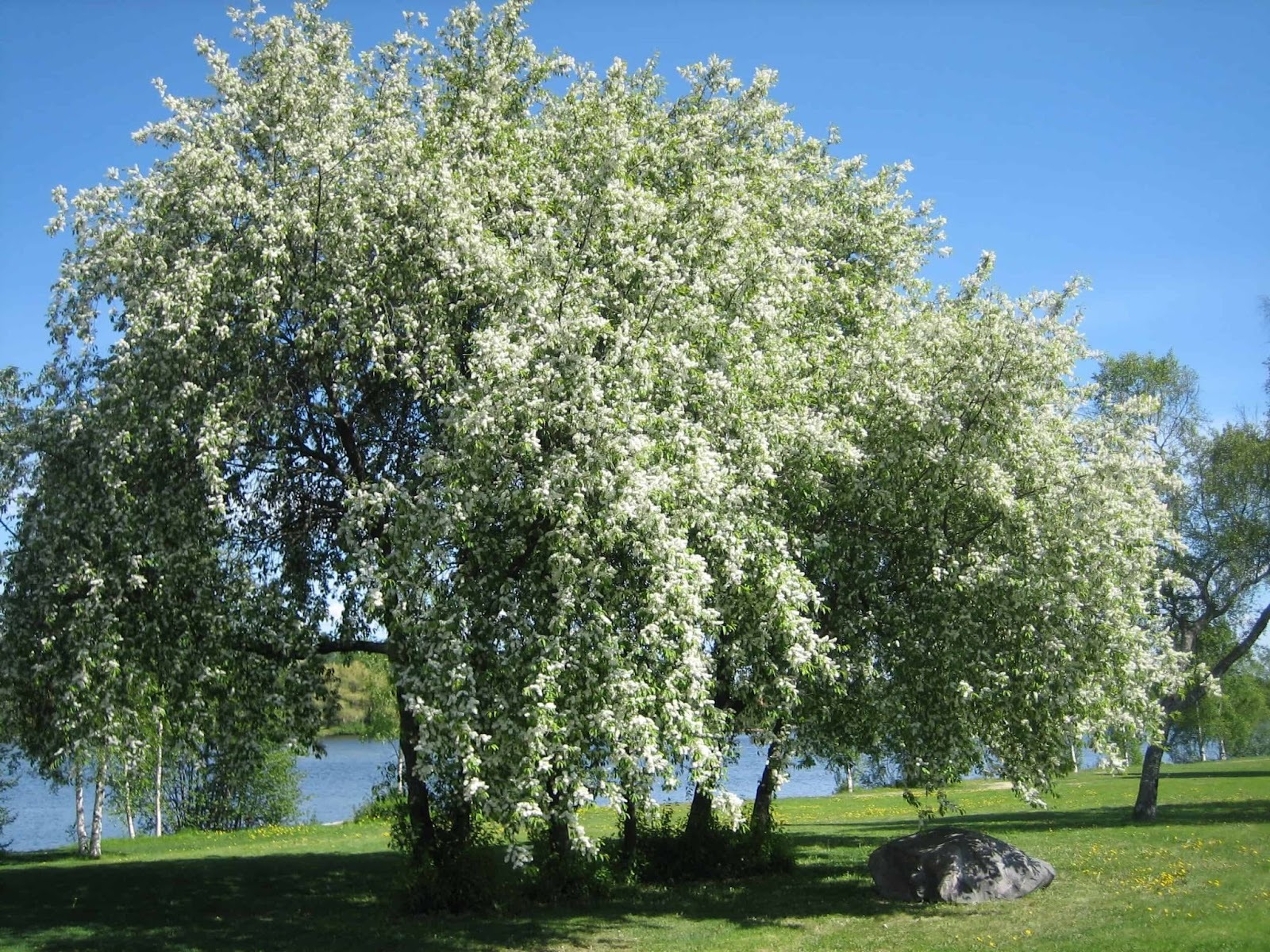
The Common Chokecherry, sometimes called the Western or Black Chokecherry, is a small, suckering deciduous tree often mistaken for an aronia. Its fruit is known to contain valuable antioxidants.
This tree grows especially fast during the spring and summer, quickly producing new foliage, gaining height, and developing a dense canopy. The Common Chokecherry is widespread across North America, thriving at various elevations, including the mountainous regions of Montana.
You rarely see the Common Chokecherry planted in home gardens due to the strong, sometimes irritating scent of its flowers. The berries themselves are not sweet, instead offering a tart and bitter taste. Crucially, they contain hydrocyanic acid, which can cause cyanide poisoning. The toxic parts of the chokecherry—including the seeds, leaves, and stems—can lead to symptoms like headaches, vomiting, and dizziness in humans and animals.
Box Elder Maple (Ácer negúndo)
The Box Elder Maple is a variety of maple native to North America, though it is now found all over the world, including in Edmonton. This resilient tree can be medium to large in size, grows rapidly, but has a relatively short lifespan of up to 60 years.
Box Elder Maples are commonly found in low-lying forests and along the edges of wooded areas. It has been labelled an invasive species in several US states and many European countries. The Box Elder is highly resistant to harmful gases and pollution. Its wood is milky-white, dense, light, and soft, making it a popular choice for crafting furniture and various woodworking projects.
The Box Elder is considered a good variety for planting in yards and along city streets. It is often used in suburban landscaping because it provides dense shade and pairs nicely with other maple varieties.
Red-Osier Dogwood (Cornus sanguinea)
Red-Osier Dogwood is a thicket-forming shrub distinguished by its gorgeous dark red stems. It blooms with yellowish-white flowers in early summer and produces fruit in late autumn, which is a key food source for over 98% of local birds. Historically, Indigenous peoples used the branches of the Red-Osier Dogwood for basket weaving. This plant grows particularly fast in the spring and summer, during which time its stems acquire their striking red colour. The shrub is versatile for garden use, whether in flowerbeds or near water features. Its abundant, fragrant flowers and white berries attract butterflies and waterfowl alike.
Common Tansy (Tanacetum vulgare)
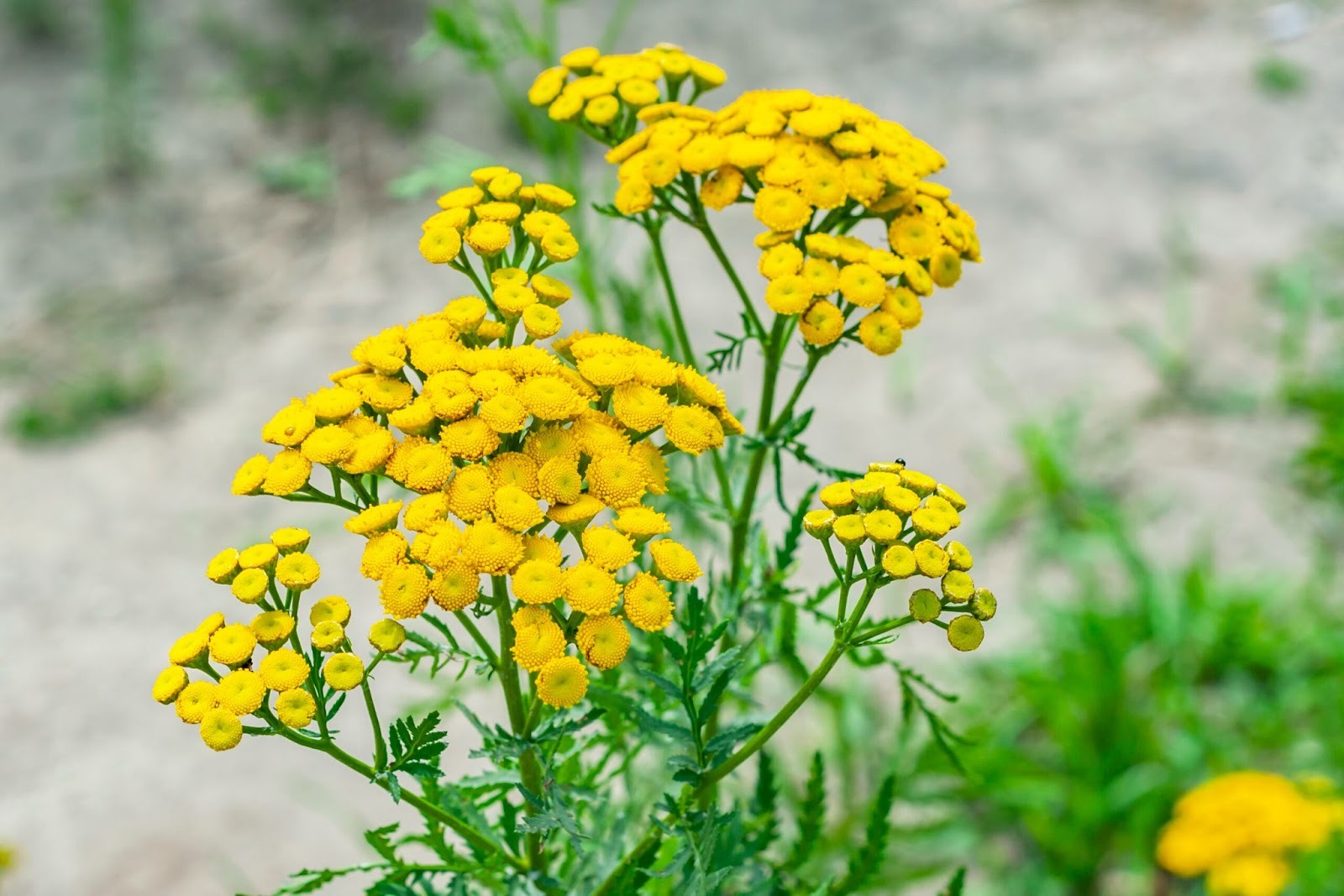
Common Tansy is a plant that flourishes in subalpine river valleys. It is listed as an invasive and noxious weed in several US states due to its extremely aggressive growth and ability to take over large areas. In Alberta, it is also classified as a noxious weed, meaning homeowners are obligated to control its spread, and gardeners are strongly advised against planting or propagating it. Its rapid reproduction is due to excellent seed germination and robust underground rhizomes. Common Tansy is detrimental because it contains substances that repel beneficial insects and disrupts the nutrient balance in the soil.
The leaves of Common Tansy are highly poisonous as they contain thujone. The plant is toxic to both cats and dogs if ingested.
Creeping Bellflower (Campanula rapunculoides)
Creeping Bellflower is a perennial plant found in Edmonton in gardens, lawns, along roadsides, and in city parks. In the wild, it grows in meadows, grassy areas, and forests, and it is considered an invasive species throughout Canada. This plant is weedy, aggressive, and not recommended for garden cultivation. In Alberta, it is classified as a noxious weed. It was originally brought to Canada from Europe and quickly naturalized, becoming a major headache for gardeners and farmers. The plant is characterized by purple flowers and a deep root system, allowing it to spread very rapidly.
Canada Thistle (Cirsium arvense)
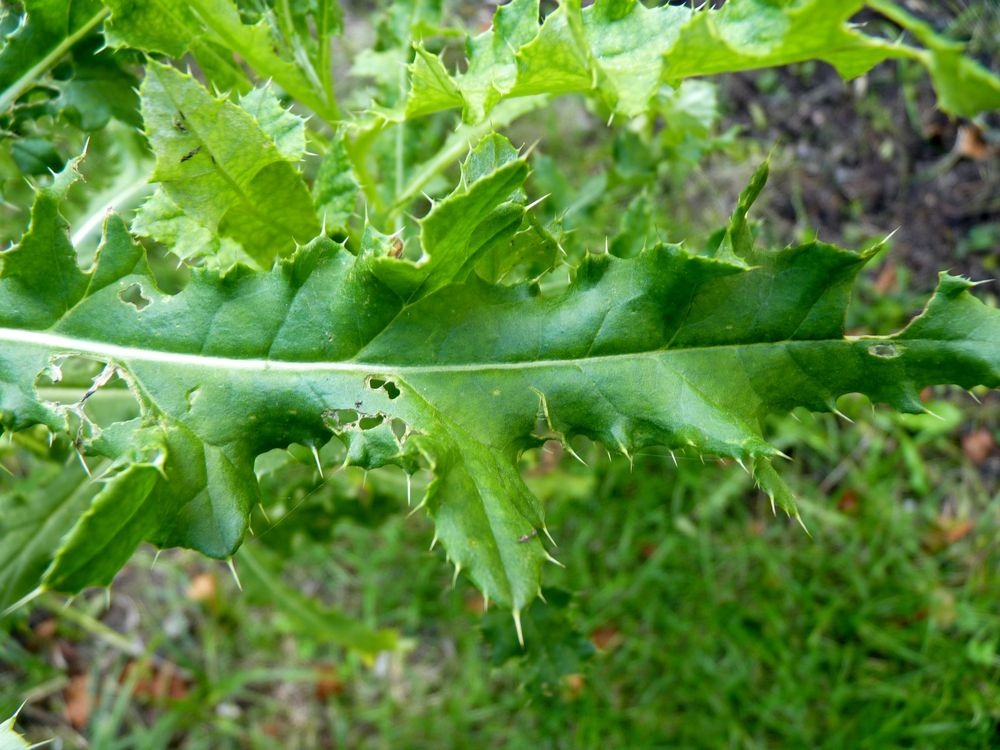
Canada Thistle is a highly aggressive weed that spreads across meadows and fields via underground roots. It proliferates quickly as each plant can produce up to 5,300 seeds, creating serious problems for agriculture. Its seeds do, however, serve as food for many birds and insects. The most effective methods for controlling Canada Thistle are mowing and the application of herbicides. It is critically important to remove the plant before it begins to flower to prevent it from setting seed.
Saskatoon Berry (Amelanchier alnifolia)
The Saskatoon Berry is a large shrub that produces delicious, edible berries. It first displays beautiful white flowers, followed by green leaves that turn yellowish-red in the fall. In Edmonton, this plant is affectionately known simply as the Saskatoon berry. It grows wild in forests, along rivers, and in open areas, and is also cultivated in gardens and on farms. Historically, Indigenous peoples used Saskatoon berries as a food source, often adding them to dried meat (pemmican).
Common Yarrow (Achillea millefolium)
Common Yarrow is a widely distributed plant in Edmonton. It is extremely hardy and highly adaptable. Wild Yarrow is a natural part of Alberta’s prairie and forest ecosystems, growing in meadows, pastures, and along roadsides. An interesting fact: thousands of years ago, yarrow was used for fortune-telling. Later, its medicinal properties were discovered and documented.
Hairy False Goldenaster (Heterotheca villosa)
The Hairy False Goldenaster is a true gem in Edmonton gardens. With its bright yellow flowers and dense foliage, it adds beauty to flowerbeds and borders. This hardy perennial thrives in Edmonton’s climate and is notably drought-tolerant.
Smooth Fleabane (Erigeron glabellus)
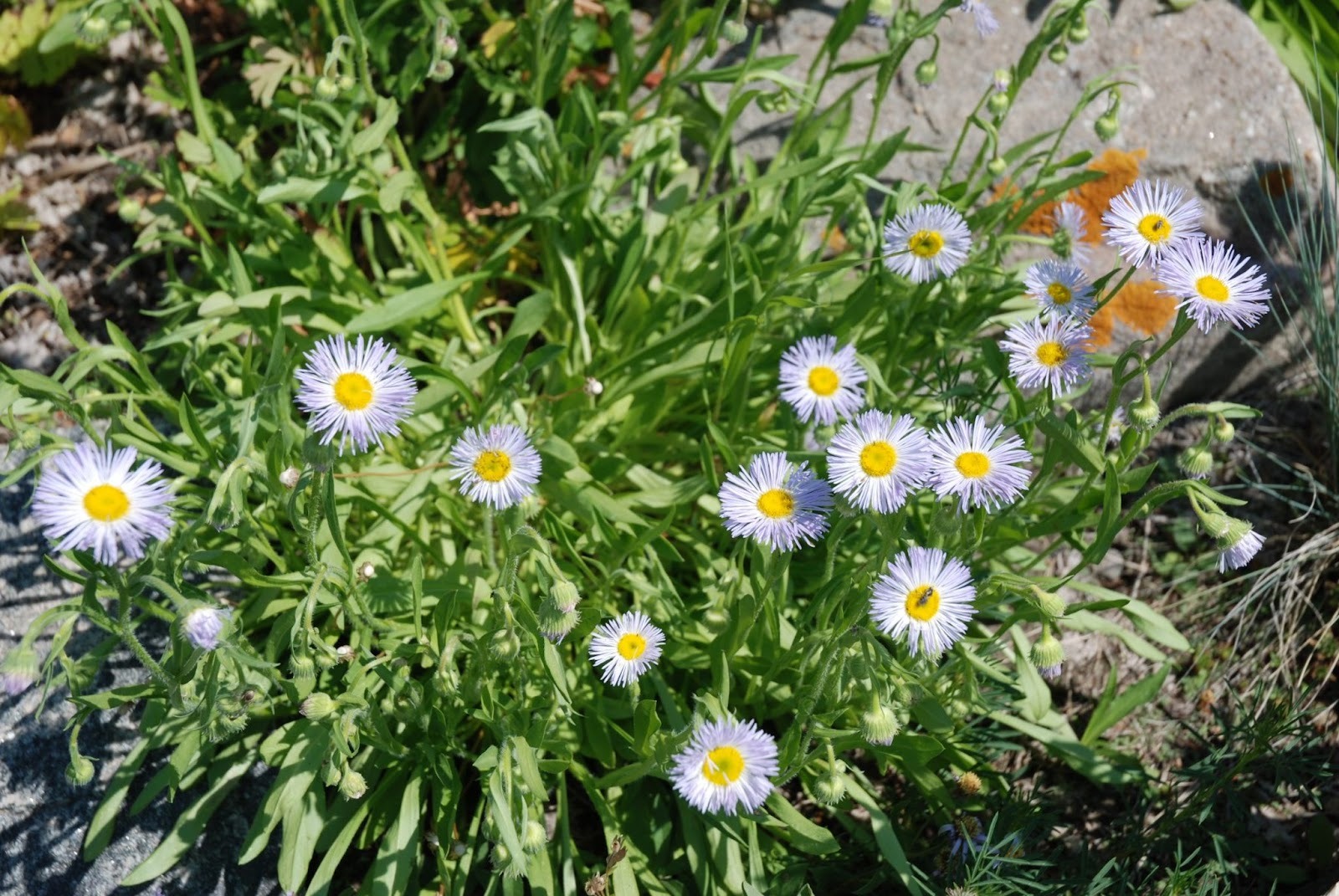
Smooth Fleabane, or Erigeron, is a native plant that grows in Edmonton. It not only enhances gardens but also supports local wildlife. Its daisy-like flowers, which range from white to pale purple, attract bees, butterflies, and other vital pollinators. Fleabane prefers sunny spots with well-drained soil and typically flowers in early summer.
Wild Bergamot (Monarda fistulosa)
Wild Bergamot, also known as Bee Balm, is a widespread plant in Edmonton. This vibrant perennial plays a critical role in attracting pollinators. With its striking pink, red, and purple flowers, it adds a burst of colour to gardens. It is a favourite not only among human admirers but also among bees, butterflies, and hummingbirds. Wild Bergamot thrives in moist, well-drained soil and full sun.
Anise Hyssop (Agastache foeniculum)
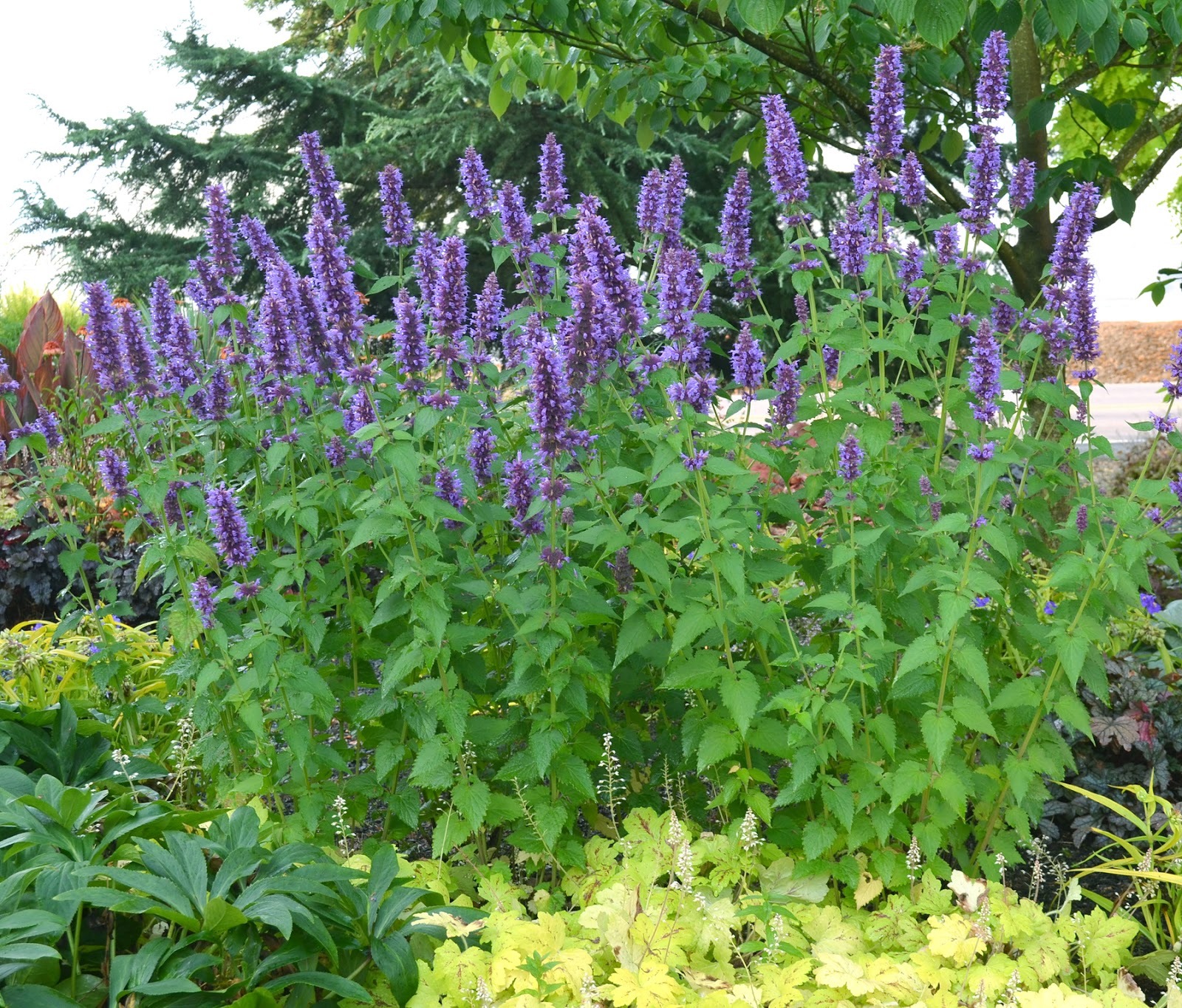
With its tall spikes of purple flowers and fragrant leaves, Anise Hyssop is an aromatic addition to any garden. Edmonton residents appreciate this plant for its beauty, traditional medicinal properties, and its ability to attract pollinators like bees and hummingbirds. Anise Hyssop grows best in full sun and well-drained soil.
Rosy Pussytoes (Antennaria rosea)
Rosy Pussytoes is a hardy, low-maintenance perennial perfectly suited to Edmonton’s climate. Its delicate pink flowers and silvery-grey foliage create a charming groundcover. The plant performs well in dry conditions and full sun, requiring minimal care once established.