

Edmonton is no stranger to severe weather and natural disasters, including floods, storms, tornadoes, landslides, and wildfires. Safeguarding your home against these threats is essential to ensure the safety of you and your loved ones. We explore how to achieve this in more detail on edmonton.name.
Weather Radar Apps
Canada operates a network of 33 weather radars managed by Environment and Climate Change Canada. These radars are crucial for the early detection of precipitation and tracking hazardous weather events such as thunderstorms, hurricanes, and tornadoes. By downloading a radar app to your smartphone, you can stay ahead of the curve with real-time updates on weather conditions in your specific region.
Floodproofing Your Home
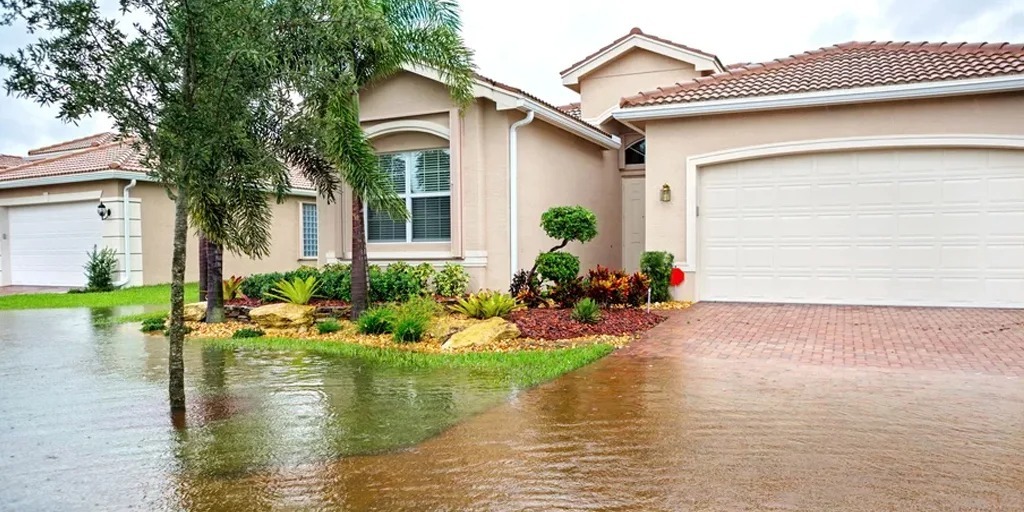
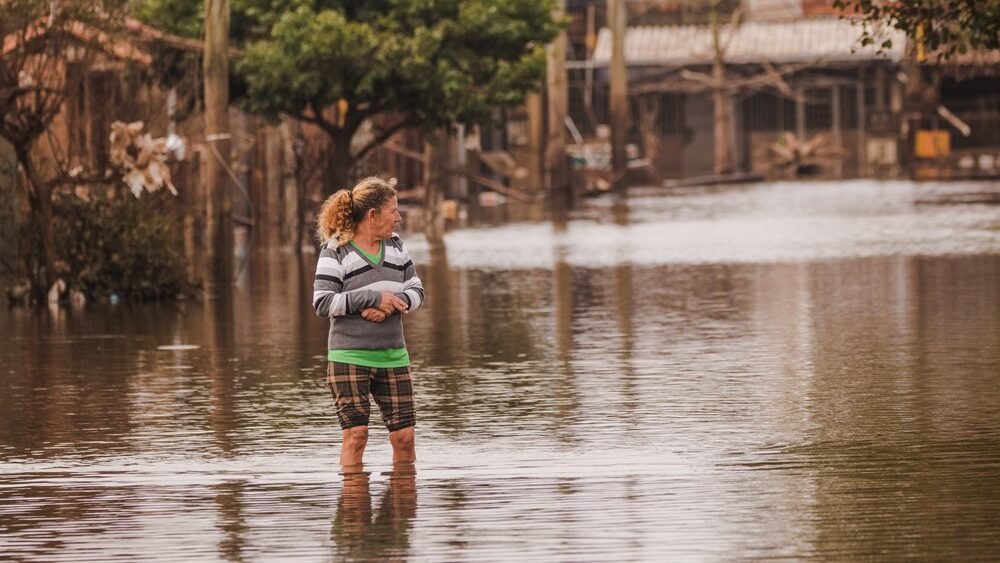
Flooding is one of the most common natural hazards in Edmonton. It can strike during any season, making home preparation vital. The primary culprit is often the spring thaw followed by heavy rainfall.
When a flood warning is issued, store important documents and valuables in a waterproof container. Ensure basement drains are clear of debris. If possible, limit water usage immediately after heavy rains. Install plastic covers on window wells to serve as an additional barrier against water. Remember to disconnect downspouts if they drain directly into the municipal sewer system, and seal basement windows to prevent leaks.
When designing homes near flood zones, hydrostatic pressure—caused by water pooling around the foundation—must be considered. Without proper drainage or waterproofing, this pressure can damage structures or crack the foundation. Sump pumps and a high-quality drainage system designed to divert water away from vulnerable areas will help alleviate this pressure and keep the home dry.
It is also advisable to install waterproof membranes around foundations and secure vulnerable entry points like doors, windows, and garages. Modern flood protection systems can seal access points automatically without human intervention, featuring floodgates that rise as water levels increase.
Protecting Against Wildfires
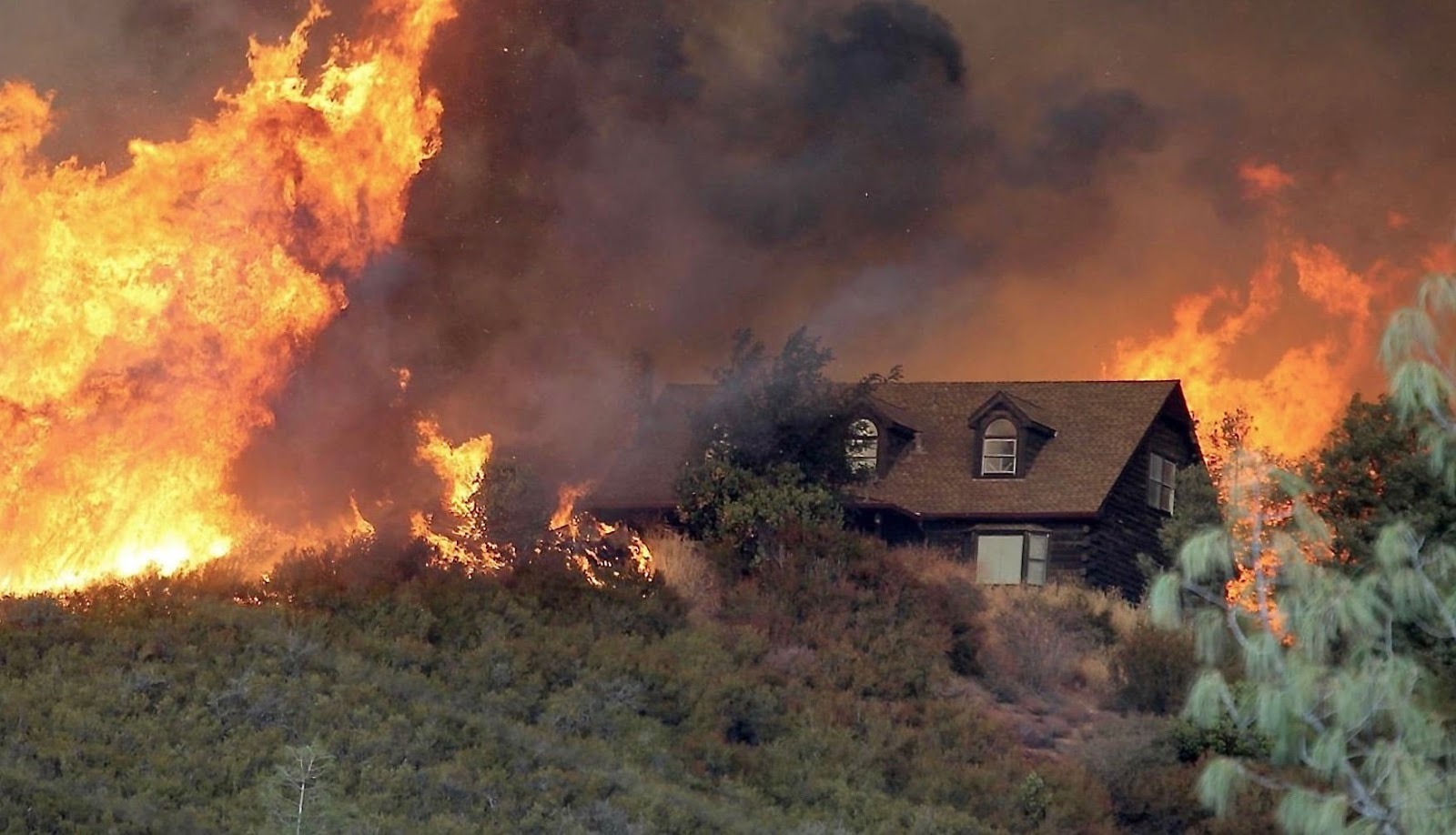
Wildfires destroy countless homes across Canada every year, leaving hundreds of people without shelter. Since much of the country is covered in dense forest, many regions face fire risks, and Edmonton is no exception—especially during dry spells. With climate change leading to longer, drier summers, the frequency of fires is increasing annually. To protect your property, it is critical to rake and remove branches and dry leaves around your home in the spring and fall. Keep windows closed if you are away for extended periods. Move combustible materials, such as firewood, to a safe distance—at least 1.5 metres from the house. Replace flammable evergreen trees with fire-resistant varieties like poplar or maple. If necessary, upgrading old roofing to fire-resistant materials is a wise investment. Check attic vents and block them if possible to prevent smouldering embers from entering. Swap combustible siding for durable options like brick or steel. Implement fire-resistant landscaping: clear dry grass, plant succulents, and use non-combustible fencing, stone patios, and gravel paths to create firebreaks. Installing exterior sprinklers to automatically mist vegetation during a wildfire is also effective.
Guarding Against Tornadoes and High Winds
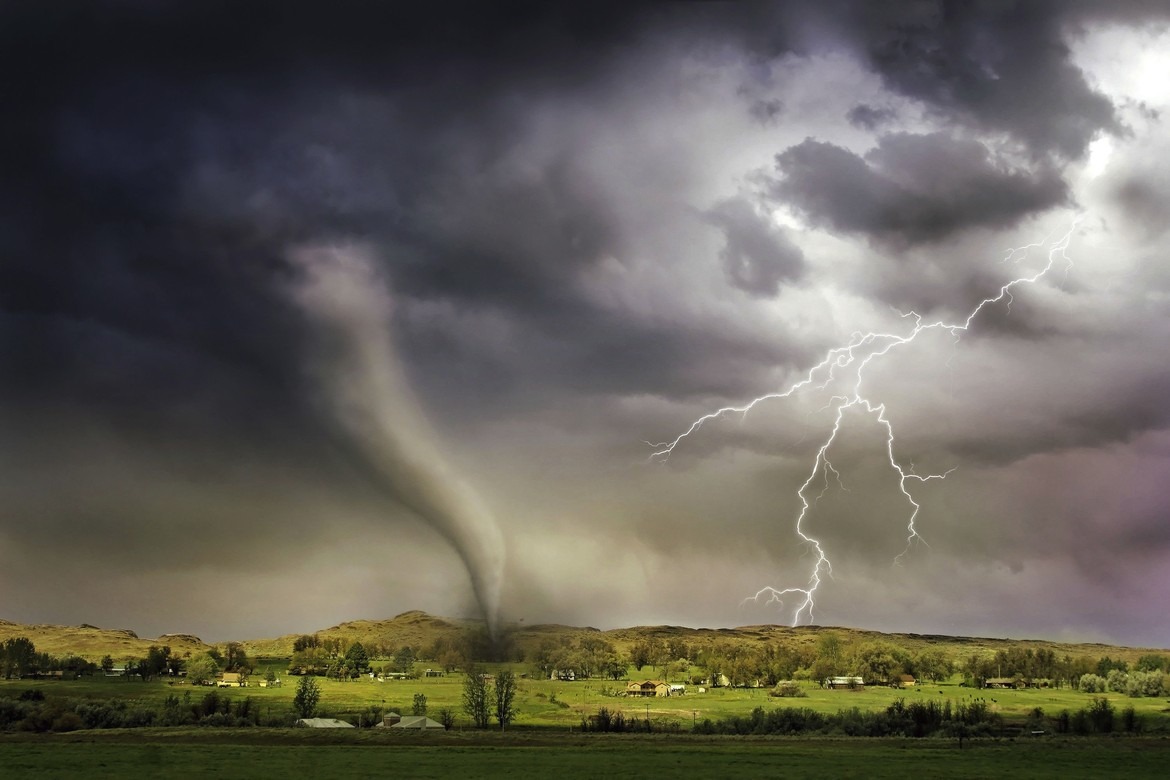
Tornadoes and hurricane-force winds leave a trail of destruction. Tornado season typically runs from April to September. While they often strike suddenly, they are frequently preceded by warning signs such as severe thunderstorms, roaring thunder, and funnel clouds. Winds can reach speeds of up to 500 km/h, capable of lifting heavy objects, uprooting trees, destroying homes, and flipping cars.
To minimize property damage, start by trimming dead or damaged tree branches to prevent them from snapping and causing further harm. Ensure roof shingles are secure and check siding to stop wind from peeling it off the structure. If building a new home, choose impact-resistant windows or install storm shutters, and remove trees growing too close to the house. Impact-resistant roofing offers the best defence against extreme winds.
Shielding Against Hail
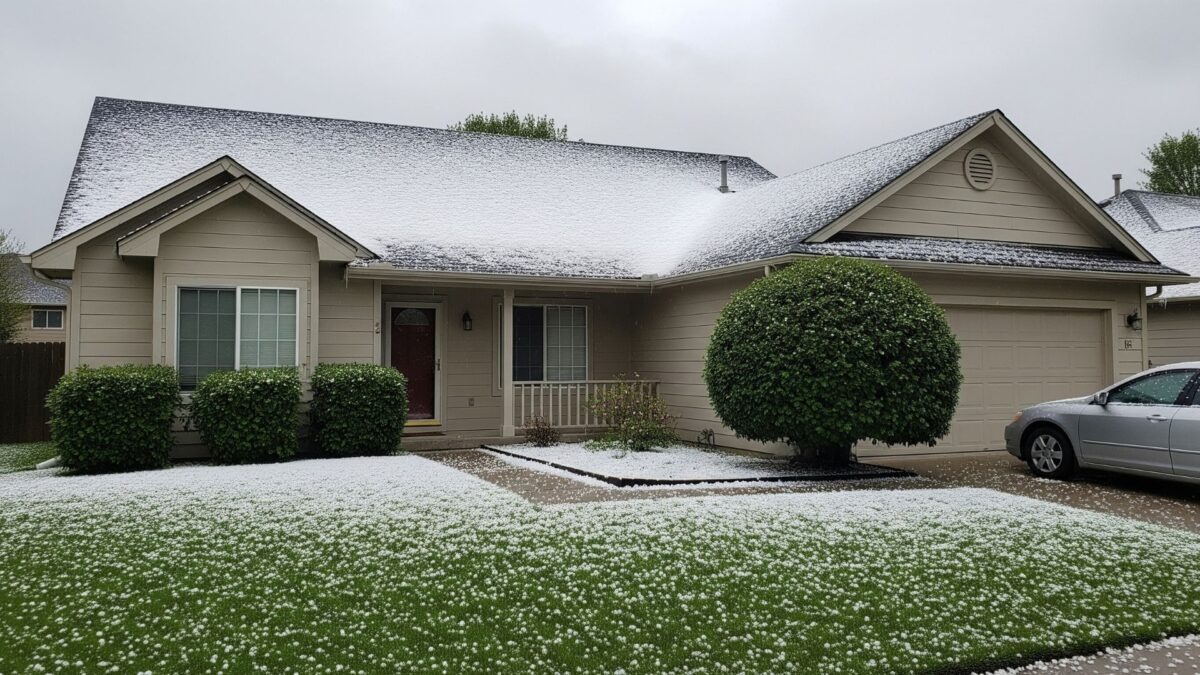
Destructive hailstorms in Edmonton are most frequent from May to October, with July being the most active month. Hail can cause significant damage to your home. Although these storms are usually brief, they are intense. When hail is forecast, bring outdoor items inside. Close curtains, blinds, and drapes to protect against flying glass if windows shatter. Inspect your roof regularly, as hail can puncture rotting sheathing. If possible, move plants and patio furniture indoors. During construction or renovations, ensure the roofing is installed with adequate ice and water protection.
Energy and Resource Resilience
Having a backup power source is critical, as electricity is often the first utility to fail during a disaster. Solar panels paired with battery storage can help keep vital systems running. When sunlight is unavailable, fuel generators serve as a reliable alternative. Implementing an off-grid system that combines generators and solar energy ensures you remain independent of the grid during prolonged power outages.
Insurance Coverage
With natural disasters becoming more frequent and severe in Alberta, verify that your insurance policy covers the full cost of repairing your home and replacing property. Consult your insurance agent to confirm exactly which hazards are covered. Insurance acts as a financial safety net, preventing the need for loans or depleting personal savings to rebuild after a catastrophe.
Family Safety and Emergency Kits
As soon as you know a natural disaster is approaching, prepare enough supplies to support yourself and your family for at least 72 hours. Key items to include in your emergency kit are:
- Water (2 to 4 litres per person).
- Canned food with a manual opener, energy bars, and other non-perishables.
- A flashlight with spare batteries.
- A first aid kit.
By following these recommendations, you can help keep your loved ones safe and protect your home from the elements.