

Many people assume that Alberta’s national parks are located in remote scenic regions filled with mountains and lakes. However, Elk Island National Park is conveniently situated just 35 minutes from Edmonton, offering an exceptional blend of natural beauty and accessibility. Learn about its creation and what makes it special in this article on edmonton.name.
Early Settlements in the Park Area
The territory now known as Elk Island was originally inhabited by the Cree, who actively traded beaver pelts and hunted various types of bison. European settlers began arriving in the late 1800s, driven by the construction of railways and the allure of homesteading opportunities. A large influx of Ukrainian immigrants also contributed to the region’s diverse population.
The Establishment of the Park
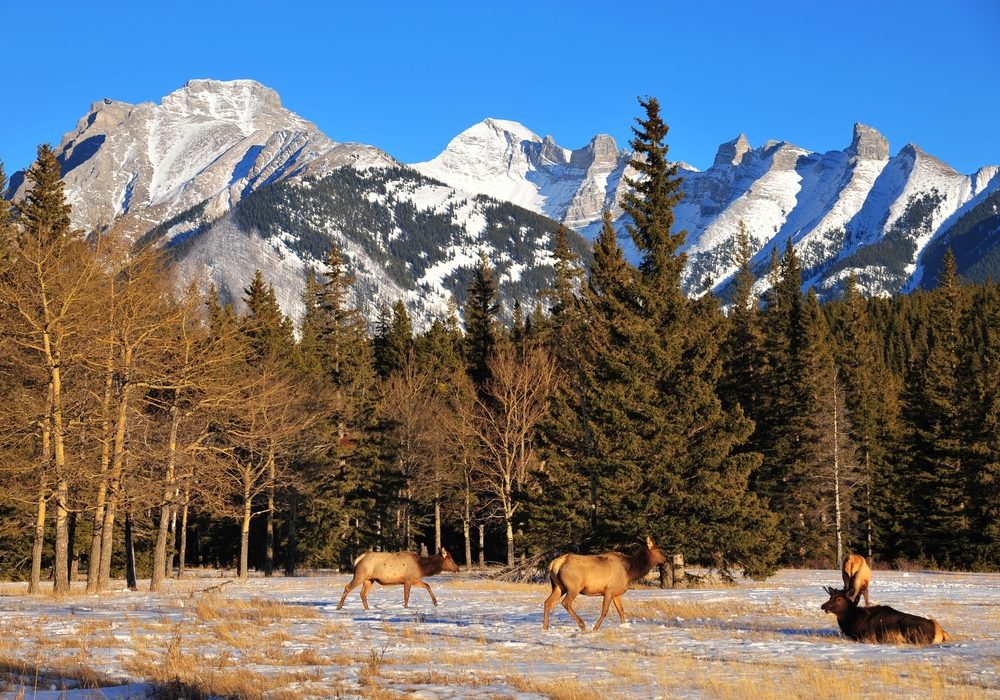
Elk Island National Park was officially established in 1906, covering a vast area of 194 km². Located 48 kilometers east of Edmonton, this Alberta sanctuary boasts expansive forests, meadows, lakes, wetlands, and ponds.
The park was created in response to growing public interest in wildlife conservation. Elk Island is one of the few fenced national parks in Canada, bordered by Edmonton’s suburbs, farmlands, and pastures.
The fence plays a crucial role in resource management, promoting ecological balance and biodiversity within the park. Notably, Elk Island was the first wildlife sanctuary in Canada. Initially established to protect moose populations, it quickly gained support from Alberta’s residents and government, leading to the construction of the enclosure. This protected area spans 42 square kilometers.
In 1907, one of the largest herds of plains bison was brought to Elk Island, with hundreds of animals housed in the sanctuary. Trumpeter swans were also introduced to the park. However, natural processes, such as predator control and fire suppression, disrupted the park’s ecosystem, leading to the disappearance of large predators like wolves and coyotes.
The 1930s marked a period of significant development in the park. During the Great Depression, unemployed workers helped build infrastructure, clearing land and constructing roads. Amenities such as cabins, a dance hall, a hostel, and a pavilion were added. In 1936, one of Alberta’s oldest golf courses was established within the park.
Insights from the Warden’s Journal
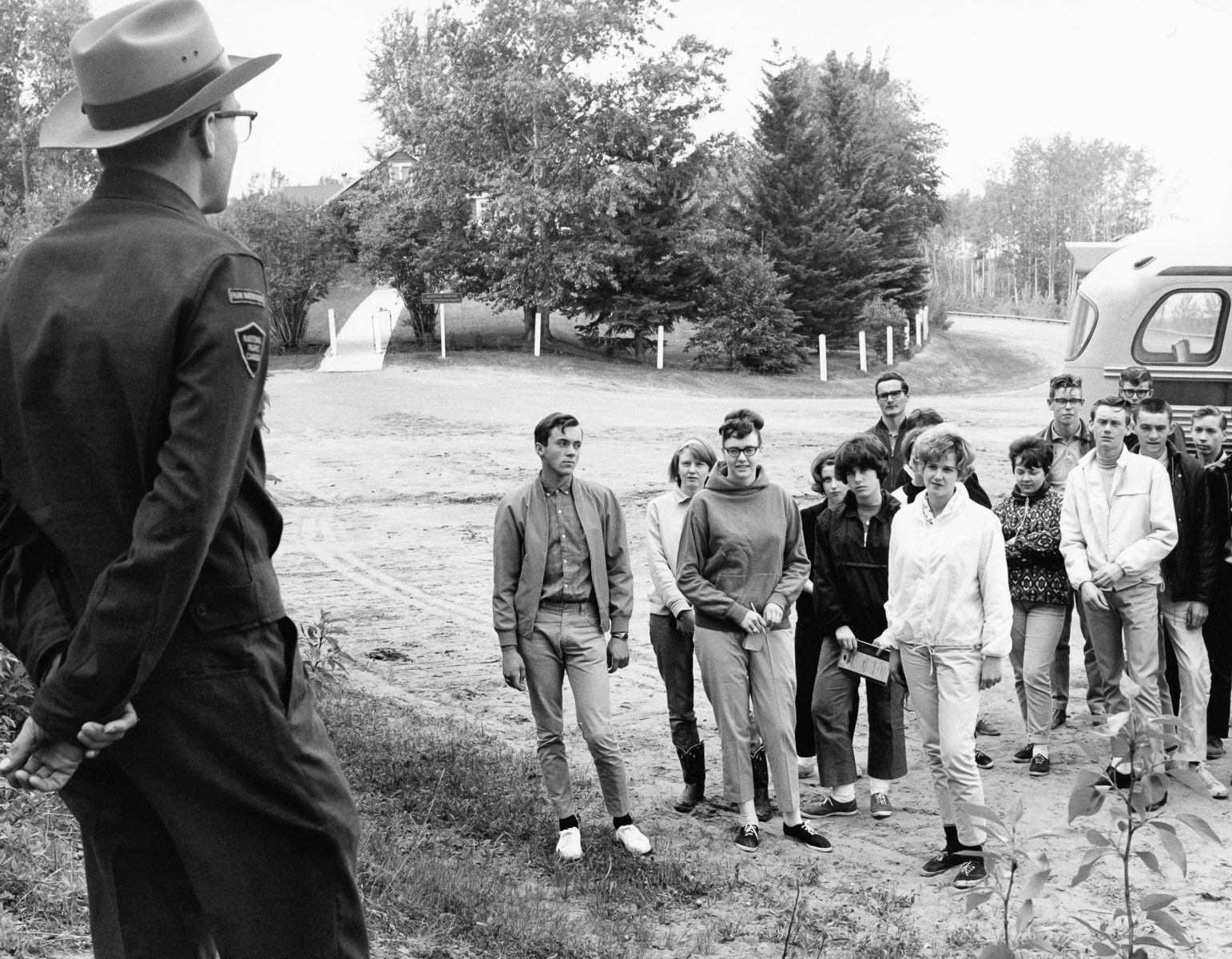
From its inception, Elk Island National Park has relied on wardens to protect and manage the area. Early wardens kept detailed daily logs documenting events in the park, wildlife health, weather conditions, and special activities.
Over time, wardens took on additional responsibilities, including visitor safety, resource preservation, and conflict resolution. Monitoring fire activity also became an integral part of their duties.
Frequent wildfires caused a decline in aspen and mixed forests, which are critical habitats for moose, mule deer, bison, small mammals, and birds. In recent years, law enforcement agencies have taken over many of the responsibilities traditionally handled by wardens.
The Modern Park
Today, Elk Island National Park features picturesque trails and pathways that lead visitors to serene lakes and beaver ponds. The park offers excellent opportunities for wildlife observation, with bison being the main attraction for many.
Visitors can enjoy camping, canoeing, golfing, and hiking in this expansive park. Its tranquil beauty and thriving ecosystems continue to draw nature enthusiasts year after year.