

Scientists claim that the first animals on Earth were Dickinsonia, which inhabited our planet approximately 600 million years ago. According to these same scientists, these creatures possessed a digestive system and muscles. This fact might surprise many, as it is a common stereotype that dinosaurs and similar creatures were the first inhabitants of the planet. More on edmonton.name.
It may seem that after such an immense period of time, the animal world has been thoroughly studied. Yet scientists around the world continue to make new discoveries about the fauna. While dealing with the animal kingdom might be a daily routine for scientists, for the average person, it is always a joy to learn something new about our smaller brothers and discover them from a different perspective. Residents of Edmonton, Alberta, and Canada as a whole can and should take pride in the fact that within the “blue-collar city,” there exists a zoological museum that immerses its visitors into this fascinating world.
Before diving into our story, it’s worth noting that one of the largest zoological museums in the world is located in Ukraine, specifically in its capital. Officially named the “National Museum of Natural History of the NAS of Ukraine,” it opened its doors to visitors in 1966. However, its zoological department, considered the museum’s origin, began much earlier, in 1919.
The Zoological Museum of the University of Alberta
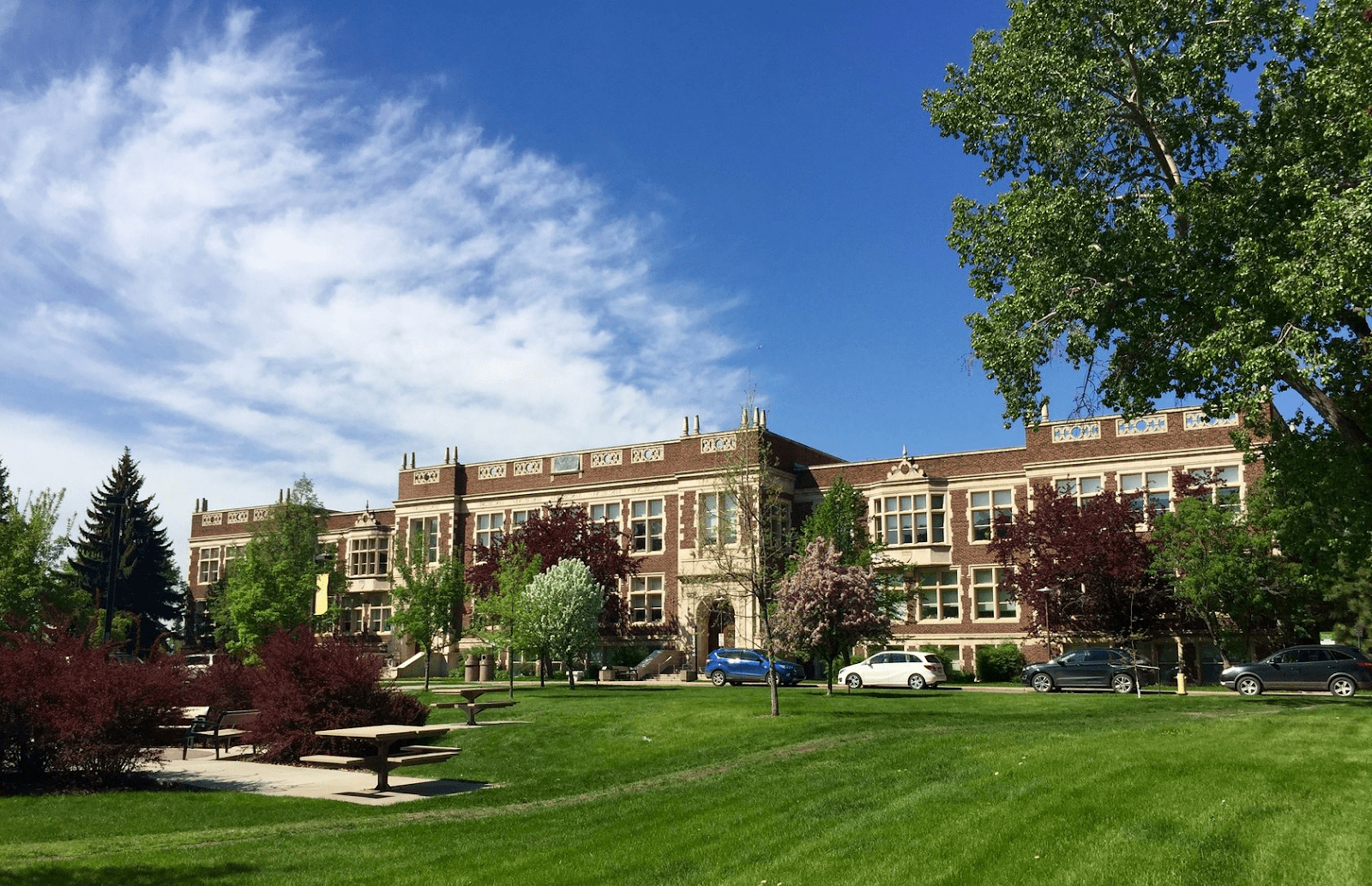
For Edmonton residents, there is no need to explain where the university and its campuses are located. What interests us is how the museum can surprise its visitors. The Zoological Museum is housed in one of these campuses at the intersection of 87 Avenue and 114 Street. Its impressive collection comprises over 30,000 specimens, divided into distinct categories, and it’s not surprising just how vast it is.
Types and Number of Exhibits

- Amphibians and Reptiles: One of the largest collections of amphibians and reptiles in Alberta is found here. This collection includes about 4,000 specimens, featuring exotic samples from around the world and North America. Thanks to this collection, Alberta’s scientists have been able to track and manage the declining populations of leopard frogs and Canadian toads.
- Mammalogy Collection: The mammal collection includes 76 families, 16 orders, and over 10,000 specimens from around the globe, with a significant portion representing the fauna of Northwestern Canada. This includes skeletons, fluid-preserved specimens, skins, and skulls, all of which form a striking and comprehensive exhibit.
- Ornithology Collection: The bird collection consists of more than 7,000 specimens, including skins, beaks, wings, and eggs. A notable portion of these exhibits represents endangered species, which are displayed in significant numbers.
- Ichthyology Collection: Representing fish fauna, the ichthyology collection holds a record 200,000 specimens, covering 200 families and 40 orders. Most of the samples come from Alberta’s aquatic ecosystems, many of which are preserved in alcohol and displayed in excellent condition.
All these fascinating and awe-inspiring exhibits are open to visitors. However, there is a notable “but.” These museum specimens are primarily used for scientific purposes—serving students, schoolchildren, scientists, and researchers. In simpler terms, the museum functions as a scientific research center. That said, anyone, from the youngest to the oldest, can visit the three-story building. In addition to the collections, the facility houses a vast library, a computer room, and a spacious conference hall.
Conclusion
By all measures, the Zoological Museum in Edmonton is one of the most fascinating destinations in the city and in Alberta as a whole. With each passing year, it continues to set the standard and remains an unrivaled leader, serving as an example for other aspiring institutions.