

Just a few hours’ drive from Edmonton, you’ll find picturesque waterfalls that rank among the region’s most beautiful natural landmarks. These spots draw tourists and outdoor enthusiasts alike with their crystal-clear waters, lush greenery, and serene vibes. Visiting these falls is a fantastic way to escape into nature, recharge, and take in some truly unique views. Read more about the best waterfalls near the city on edmonton.name.
Hard Luck Canyon Falls
Hard Luck Canyon is one of the most scenic spots near Edmonton, famous for its cascading falls and rocky gorges. Located northwest of the city on the way to Grande Prairie, the falls are fed by a small creek that flows into the McLeod River. The water rushes down rocky ledges, creating a stunning cascade framed by dense forest and the canyon’s stone walls. Thanks to well-maintained wooden stairs and viewing platforms, the area is highly accessible. It’s perfect for a leisurely hike or a photography session, and it looks especially striking in the spring or right after a heavy rainfall when the water volume is at its peak.
The trail leading down into the canyon to the falls is about a kilometre long, and the round trip takes roughly 30 minutes. There’s a small parking lot nearby, which you can reach via a gravel road.
Ram Falls
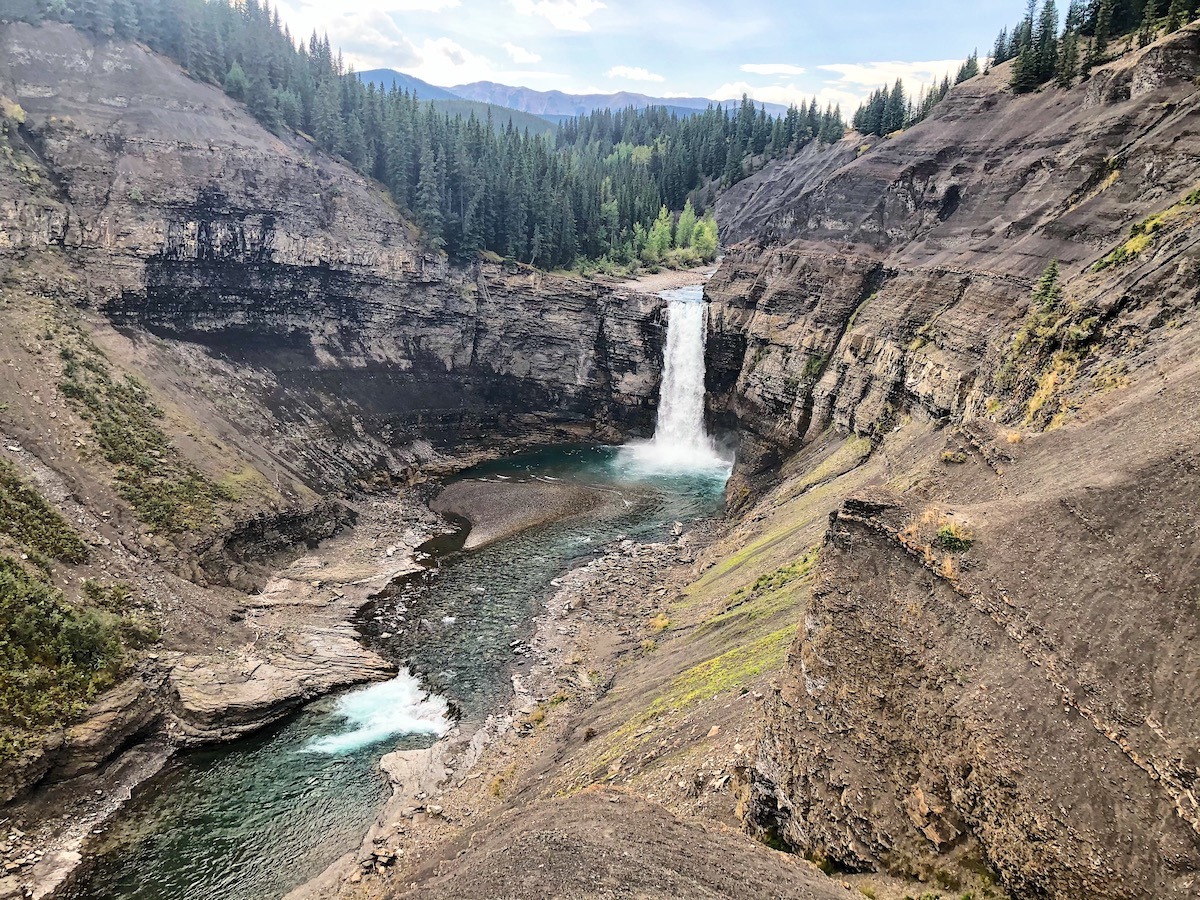
Ram Falls is a secluded 20-metre drop located in Ram Falls Provincial Park, a rugged wilderness area in Clearwater County just west of Rocky Mountain House. Wooden stairs lead down to the falls, offering spectacular viewing angles. You can often spot bighorn sheep wandering the surrounding area. It’s a major draw for anyone looking for a quiet, off-the-beaten-path getaway. Because it’s so far from the city, the area has managed to hold onto its pristine, untouched natural atmosphere.
Punchbowl Falls
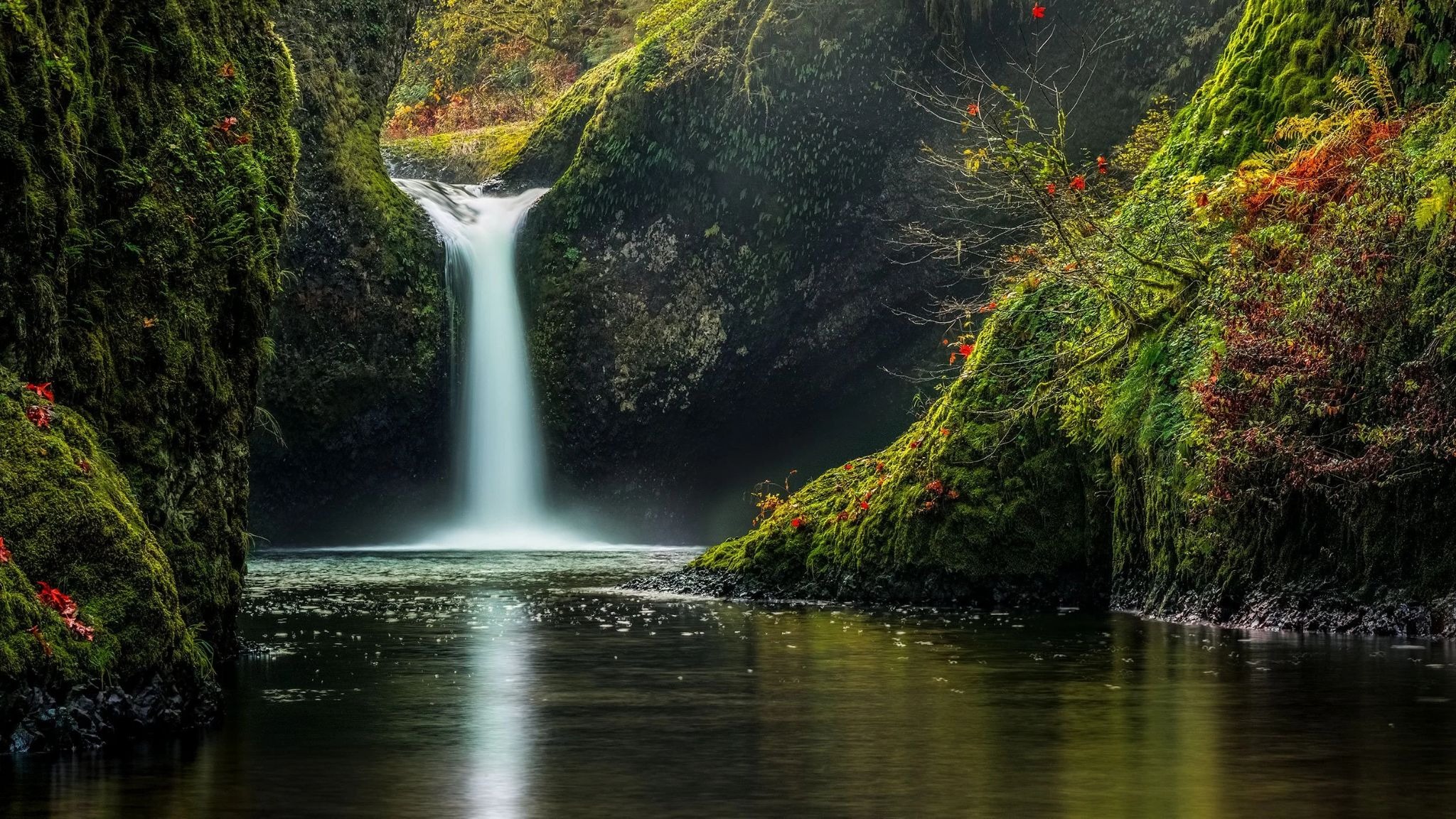
Punchbowl Falls is a smaller waterfall in Jasper National Park, conveniently located right off the road leading to the Miette Hot Springs. Carved by a mountain stream, the water tumbles over rocky ledges into a narrow stone channel, creating a series of drops and deep pools. A short trail with a bridge takes you right to the falls, offering the best vantage point from above. Due to the rugged terrain and dense vegetation, getting a clear view from the bottom isn’t really possible.
Crescent Falls
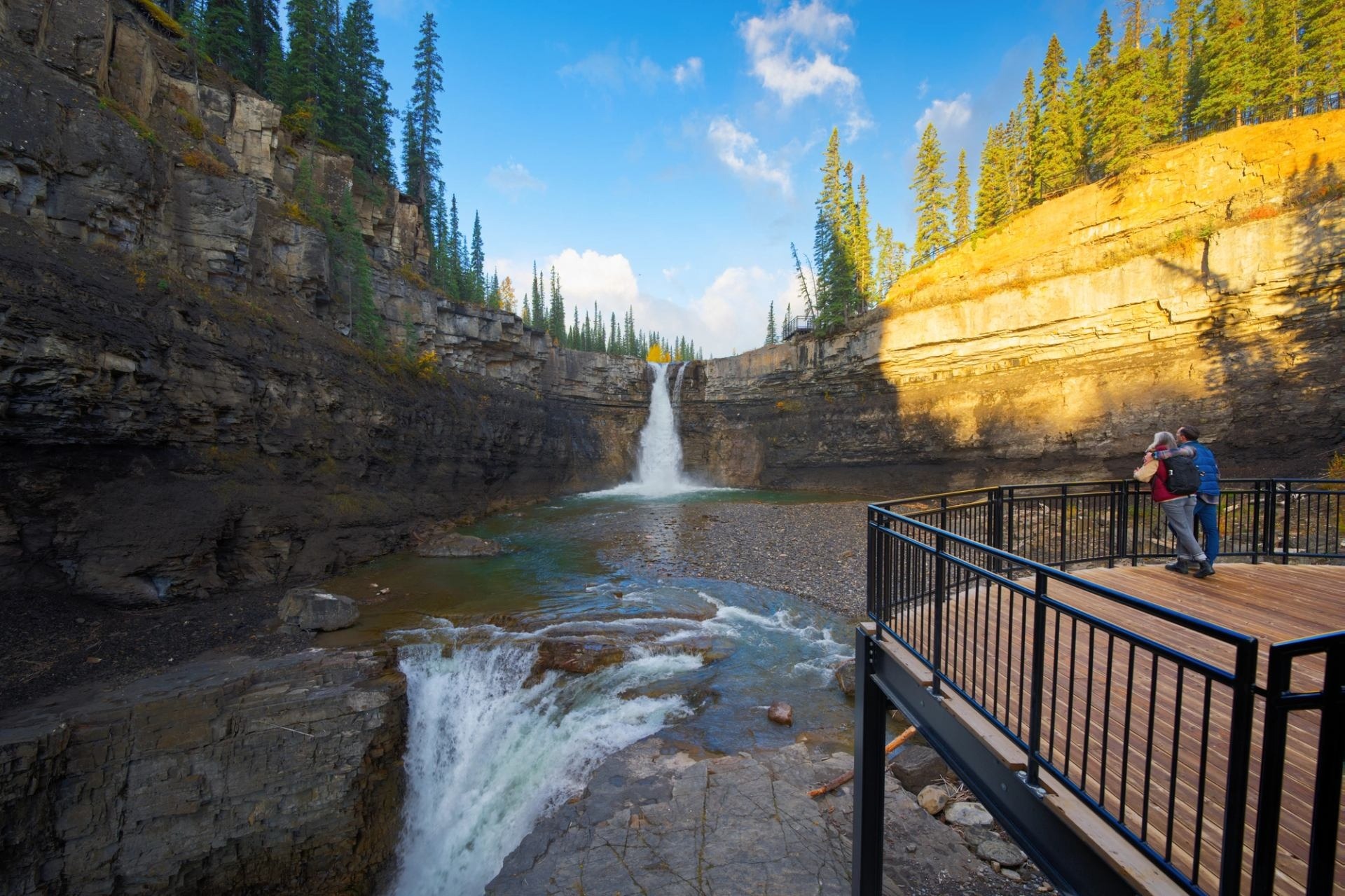
Widely considered one of Alberta’s most beautiful waterfalls, Crescent Falls is tucked away in the Bighorn backcountry near Nordegg. It’s an impressive 27-metre, two-tiered waterfall. The water plunges from a higher upper ledge into a deep river gorge below. You can take in the view from the top, near a small campground, or hike down to the base of both tiers. However, extreme caution is required if you attempt the descent. The trail is steep, there’s a high risk of falling rocks, and tragically, there have been fatalities near the base in recent years. If you head west from Crescent Falls, you’ll hit Abraham Lake—famous for its winter ice bubbles—and Siffleur Falls.
Elbow Falls
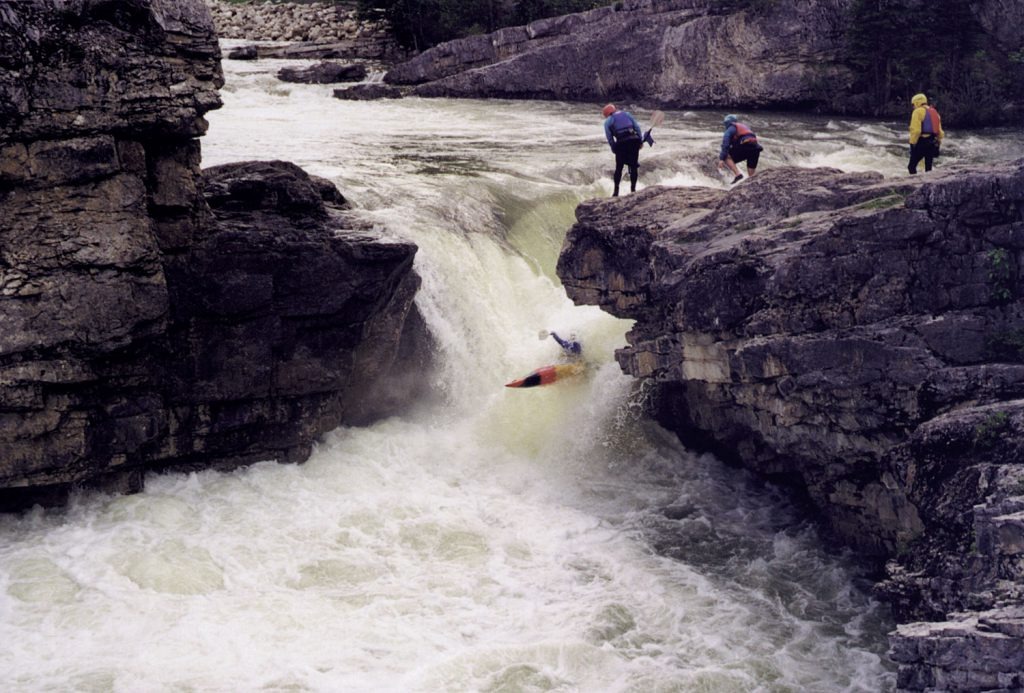
Located just west of Calgary in the foothills of the Rockies, Elbow Falls is a short but wide waterfall on the Elbow River. The water spills smoothly over the rocky steps, creating a beautiful, fan-shaped cascade. During high water, the main drop is only about three metres tall. However, during the dry season when the river level drops, the visible height of the falls actually increases to around six metres.
An easy walking trail leads to the falls, and the area is fully equipped with a parking lot, paved pathways, and lookout points. The site underwent a major reconstruction following the 2013 floods, meaning all the current facilities are completely up to date.
Siffleur Falls
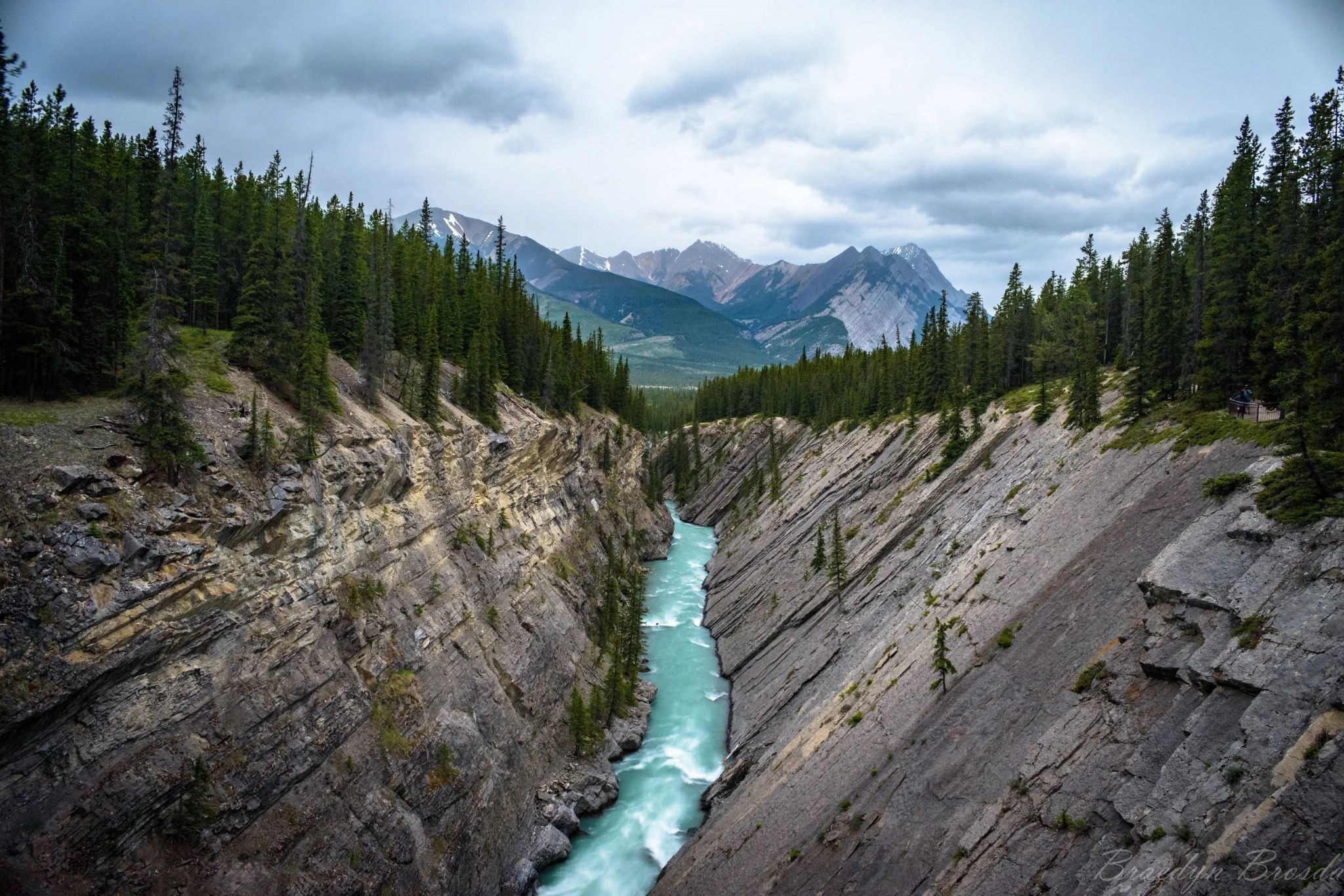
This three-tiered waterfall plunges through a gorge on the Siffleur River. To get there, you’ll take a popular hiking trail that crosses a suspension bridge over the North Saskatchewan River before winding its way up the valley. The falls are famous for their stunning natural surroundings, wide-open views, and the massive surge of water during the spring melt and seasonal rains.
Maligne Canyon Falls
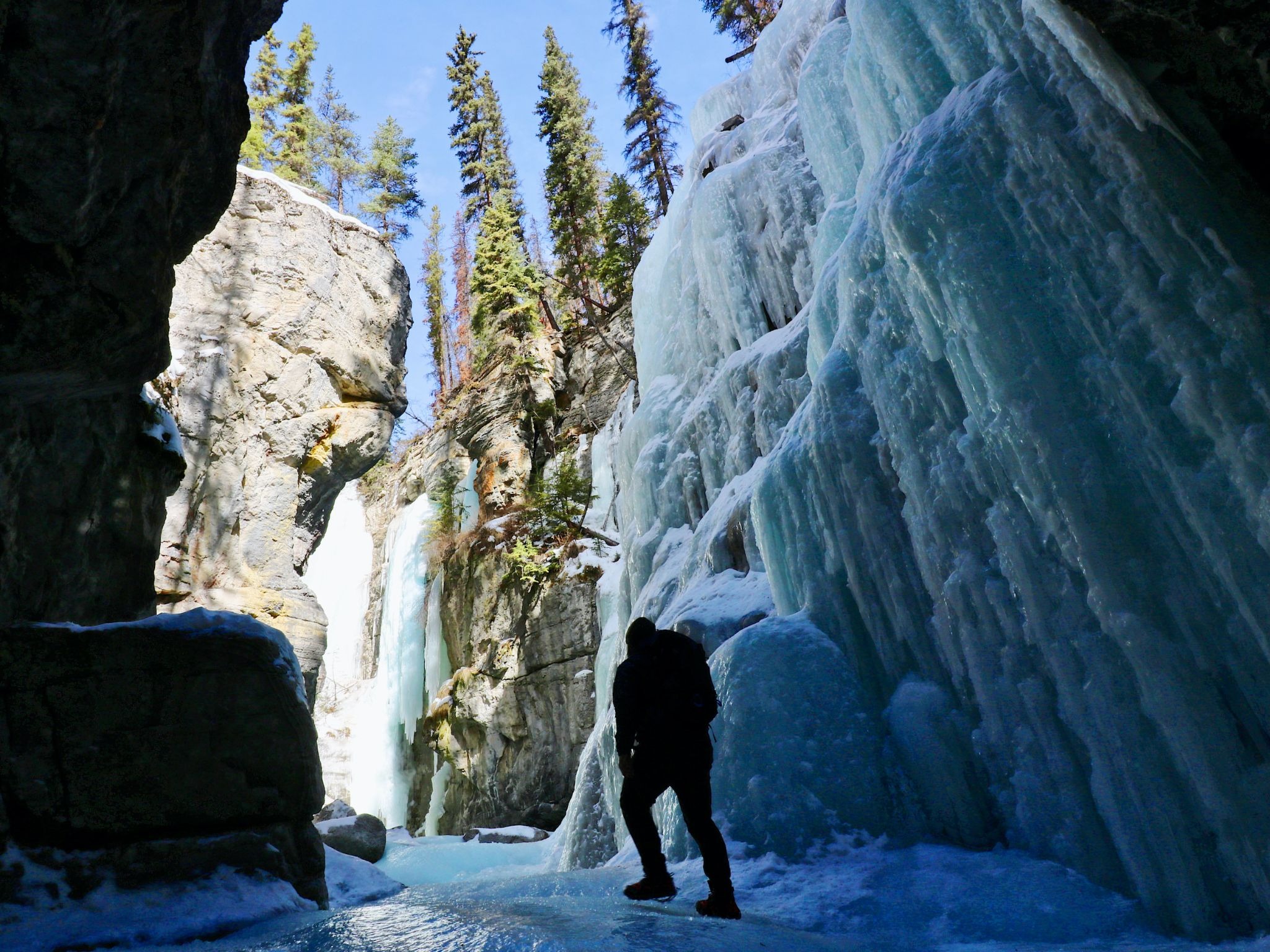
These falls are located in one of Jasper National Park’s deepest limestone canyons. The Maligne River violently churns through the narrow gorge, creating a series of small waterfalls and rapids that are partially hidden by the towering canyon walls.
The trail network is dotted with bridges, allowing you to view the cascading water from various heights. The water levels change dramatically with the seasons. In the spring, the flow is incredibly powerful, while in the winter, sections of the canyon freeze entirely, creating massive, stunning ice formations.
Grotto Canyon Falls
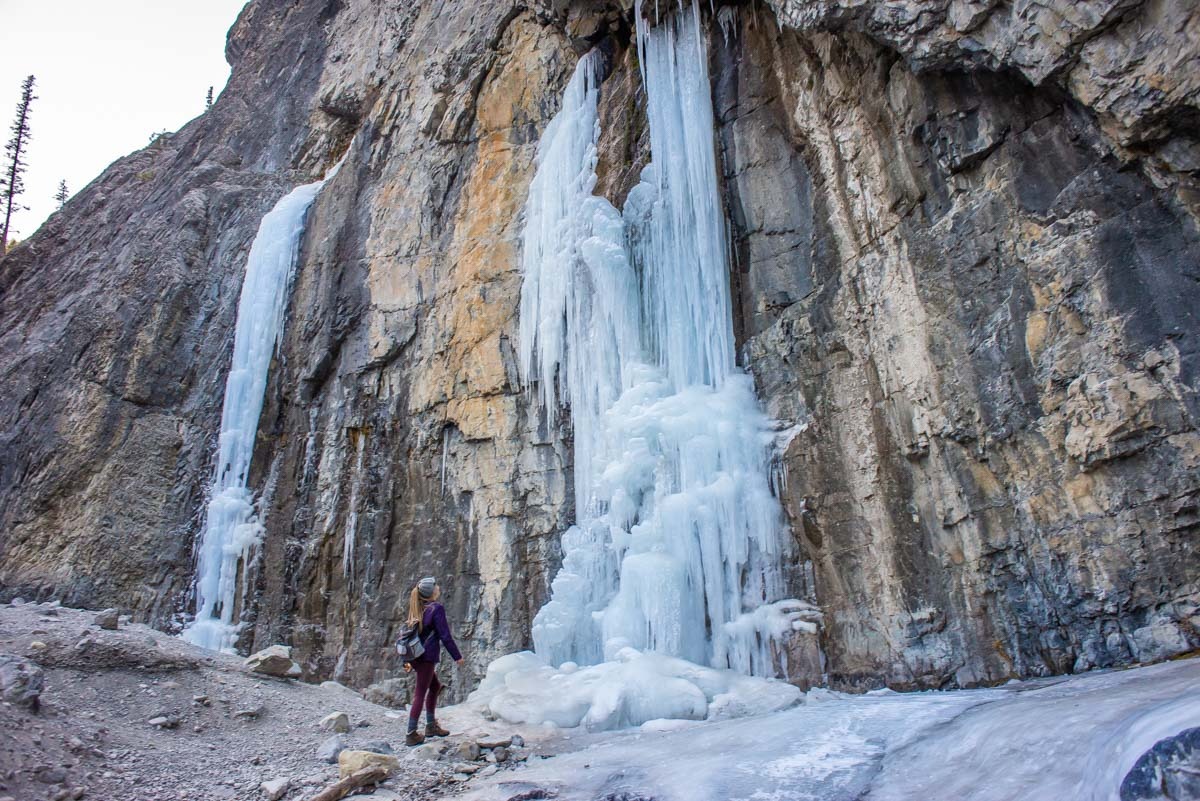
Grotto Canyon Falls is a seasonal cascade located, as the name suggests, in Grotto Canyon. It’s fed by a creek that flows through a narrow gorge, forming a small but striking waterfall at certain times of the year. The canyon itself is renowned for its geology, featuring tight rock walls, a stony creek bed, and areas where the water freezes solid in winter to form spectacular ice falls. The trail is highly popular and makes for a great hike in any season.
Troll Falls
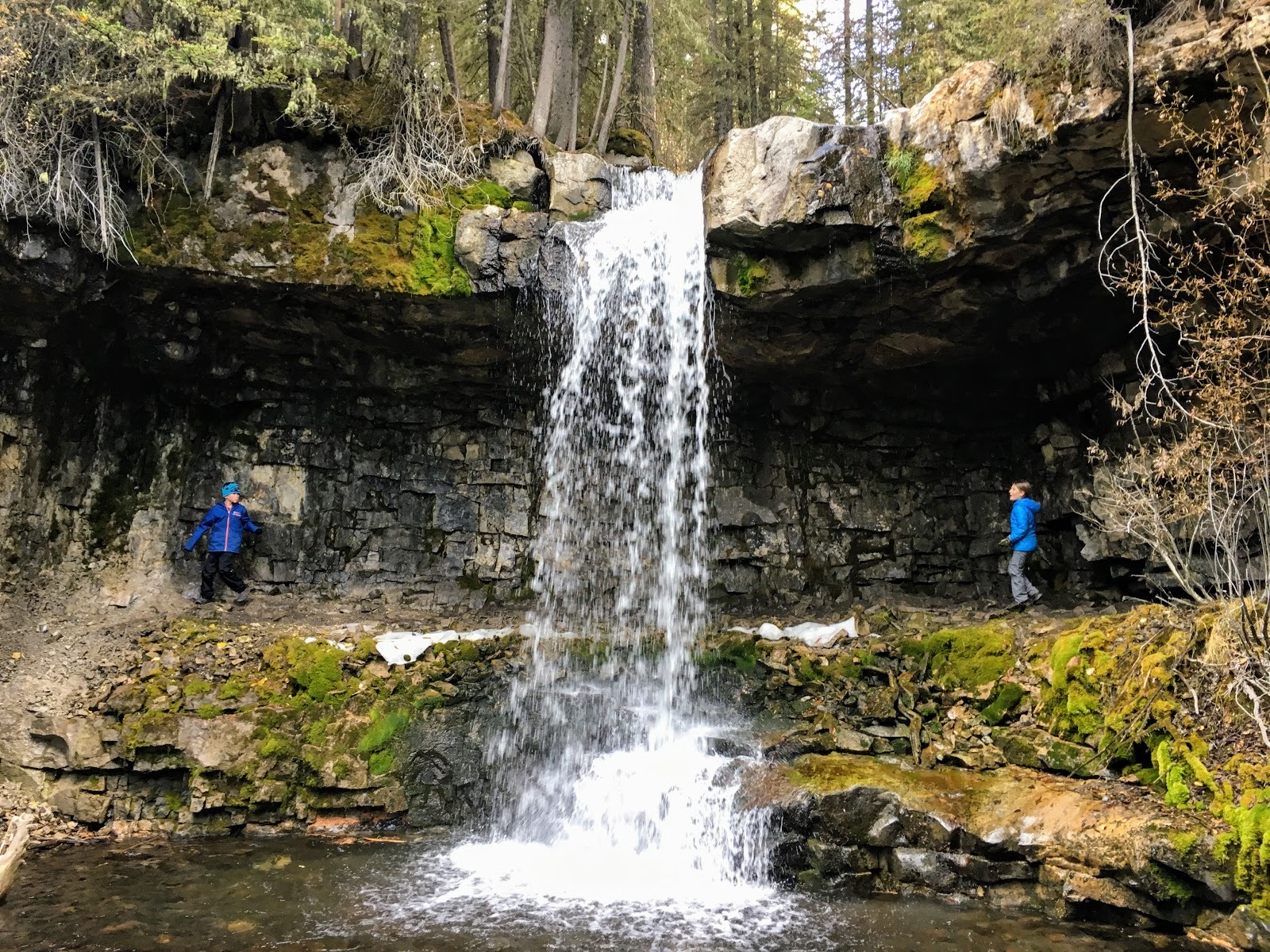
Situated southwest of Calgary on Marmot Creek, Troll Falls consists of several smaller drops tumbling over a rocky ledge in a heavily wooded area. The 3.5-kilometre hiking trail leading to the falls is considered one of the most accessible in the region. It’s a perfect, relatively quick hike for families. Come winter, the trail remains a massive hit with hikers looking to explore the frozen cascades and intricate ice formations.
Athabasca Falls
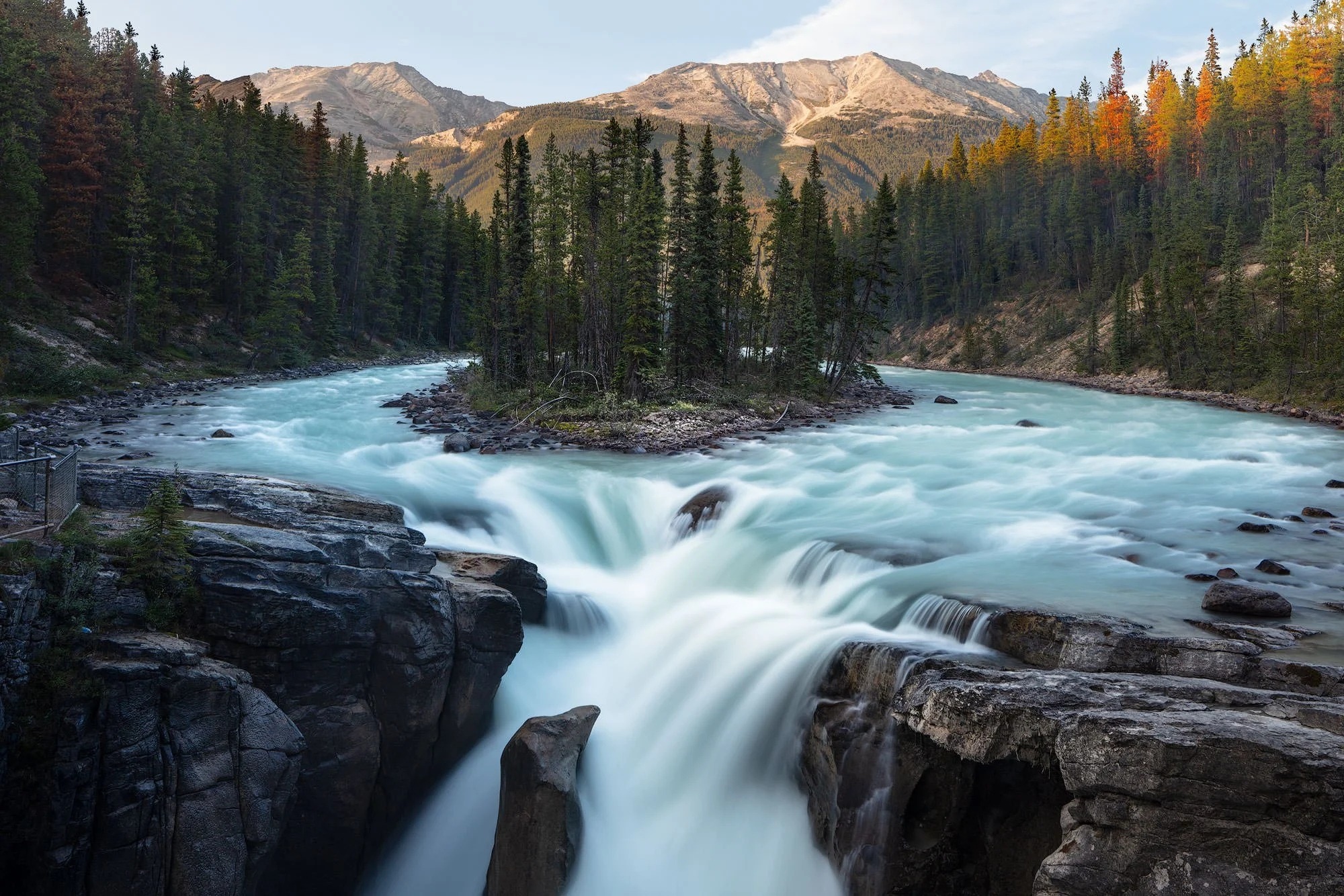
Athabasca Falls is one of the most iconic spots in Jasper National Park. Located on the Athabasca River, which originates high in the Rockies, the waterfall isn’t famous so much for its height—it stands at roughly 23 metres—but rather for the sheer, raw power of the water blasting through a narrow rock gorge.
The site features well-maintained lookout points and short walking trails, allowing visitors to safely take in the breathtaking views. The river’s flow is exceptionally powerful in the spring and early summer when the glaciers are melting and the runoff is at its peak.
Sheep River Falls
Located in the rugged backcountry of Sheep River Provincial Park, this waterfall is a striking cascade where the river drops over rocky ledges and dips in the riverbed. A short hiking trail takes you right to the falls, making it easily accessible for most visitors. Framed by thick forests and mountainous terrain, the water flow hits its absolute peak during the spring snowmelt.
Bow Falls
Bow Falls is a wide, low-elevation waterfall on the Bow River, situated right near downtown Banff. The water rushes over a stepped, rocky riverbed, creating a powerful but relatively short drop. Paved walking paths and viewing platforms make getting to the falls a breeze. Because it’s within easy walking distance of the town centre, Bow Falls is a massive favourite among both tourists and locals.
Sunwapta Falls
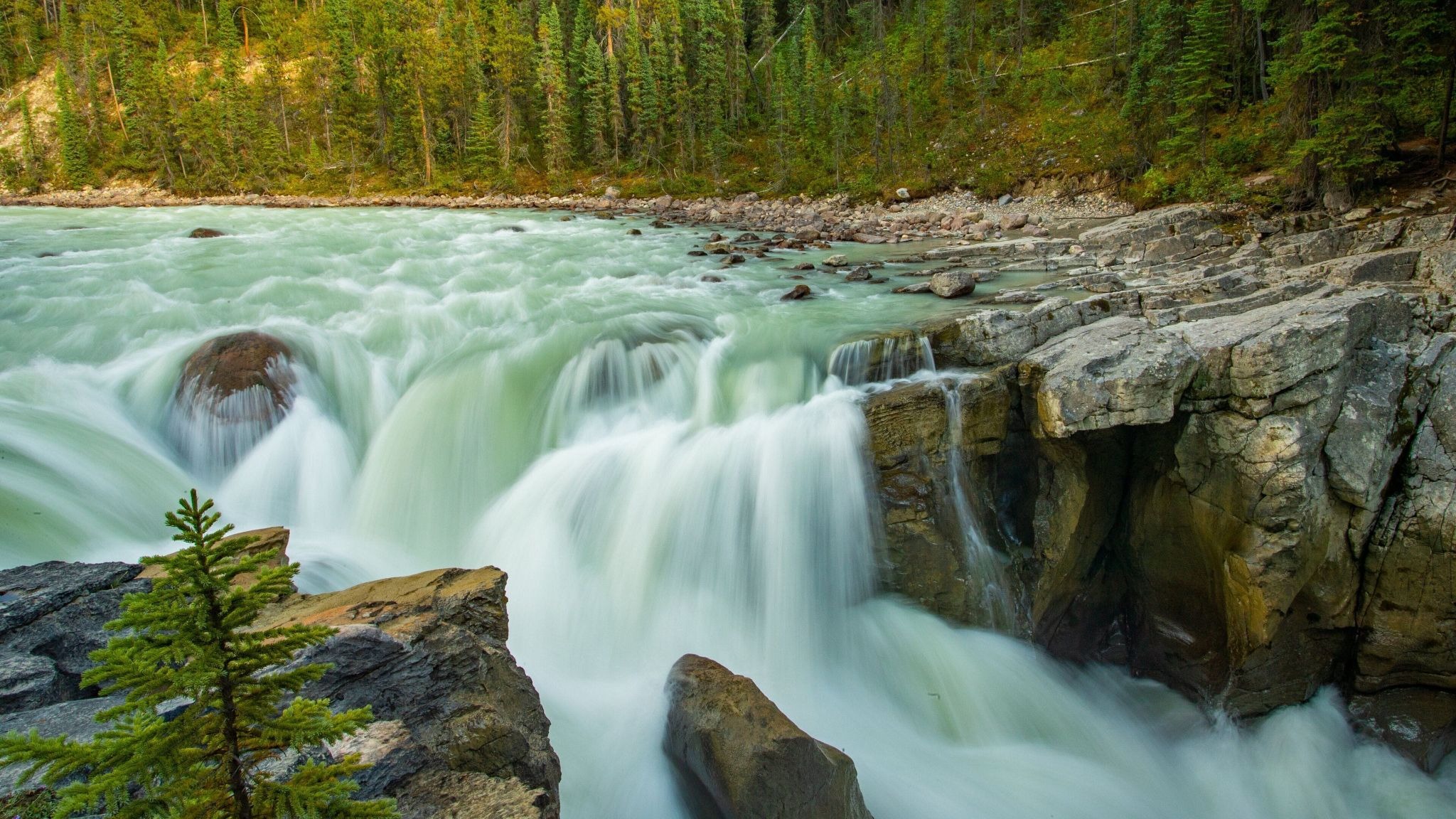
Located on the Sunwapta River in Jasper National Park, this waterfall features a massive surge of water that plunges into a narrow limestone gorge. The main upper drop is roughly 18 metres high. Sunwapta Falls is at its most impressive during the spring and summer glacial melt, which significantly increases the river’s volume and power.
Tangle Creek Falls
Tangle Creek Falls is a multi-tiered cascade that tumbles down a rocky cliff directly beside the highway. You don’t even need to hike to see it—there’s parking right across the road, offering an immediate, unobstructed view of the falls. The flow surges during the spring snowmelt and dials back considerably in the drier seasons. It’s a favourite, quick pit stop for road-trippers exploring the Canadian Rockies.