

Hydropower has historically been one of Alberta’s oldest and most important energy sources. For over 2,000 years, people have developed ways to harness the energy of moving water. Various hydropower technologies have significantly evolved over the centuries.
Initially, small mills were used to generate energy in Alberta, later replaced by large hydroelectric plants. Regardless of scale, the fundamental principle of hydropower remained unchanged: converting water’s energy into mechanical energy to generate electricity. Learn more at edmonton.name.
The Beginning of Hydropower Use in Alberta
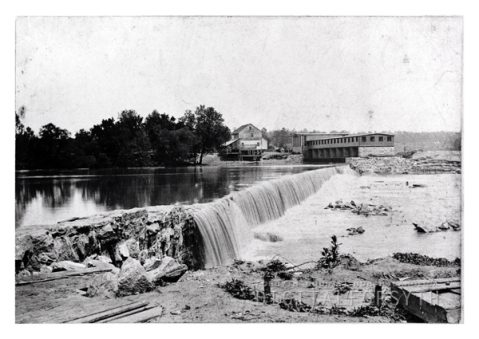
In the 1880s, Americans began utilizing moving water to generate energy. They employed water wheels and small-capacity turbines for this purpose. Around the same time, Thomas Edison started producing direct-current electrical generators, allowing for the illumination of several buildings in urban areas.
The introduction of generators led to a growing demand for electricity and an increasing need for power sources such as hydroelectric stations. In cities with rivers, turbines were installed to operate electric generators.
By the late 1800s, hydroelectric power generation was well established. In 1890, transformers were developed, enabling the transmission of high-voltage alternating current. This innovation allowed electricity to be transmitted over long distances, fostering the growth of remote power plants.
The Development of Hydropower
By 1900, hydroelectric plants were rapidly expanding, and voltage levels in the grid were progressively increasing. To meet the steadily growing demand for electricity, authorities extended power transmission lines. Eventually, electricity was supplied to cities such as Montreal, Quebec, and Manitoba. Numerous hydroelectric plants were installed across Canada, collectively producing 133,000 kilowatts. A decade later, large hydroelectric plants were constructed in various cities throughout Alberta.
Manitoba’s First Hydroelectric Plant
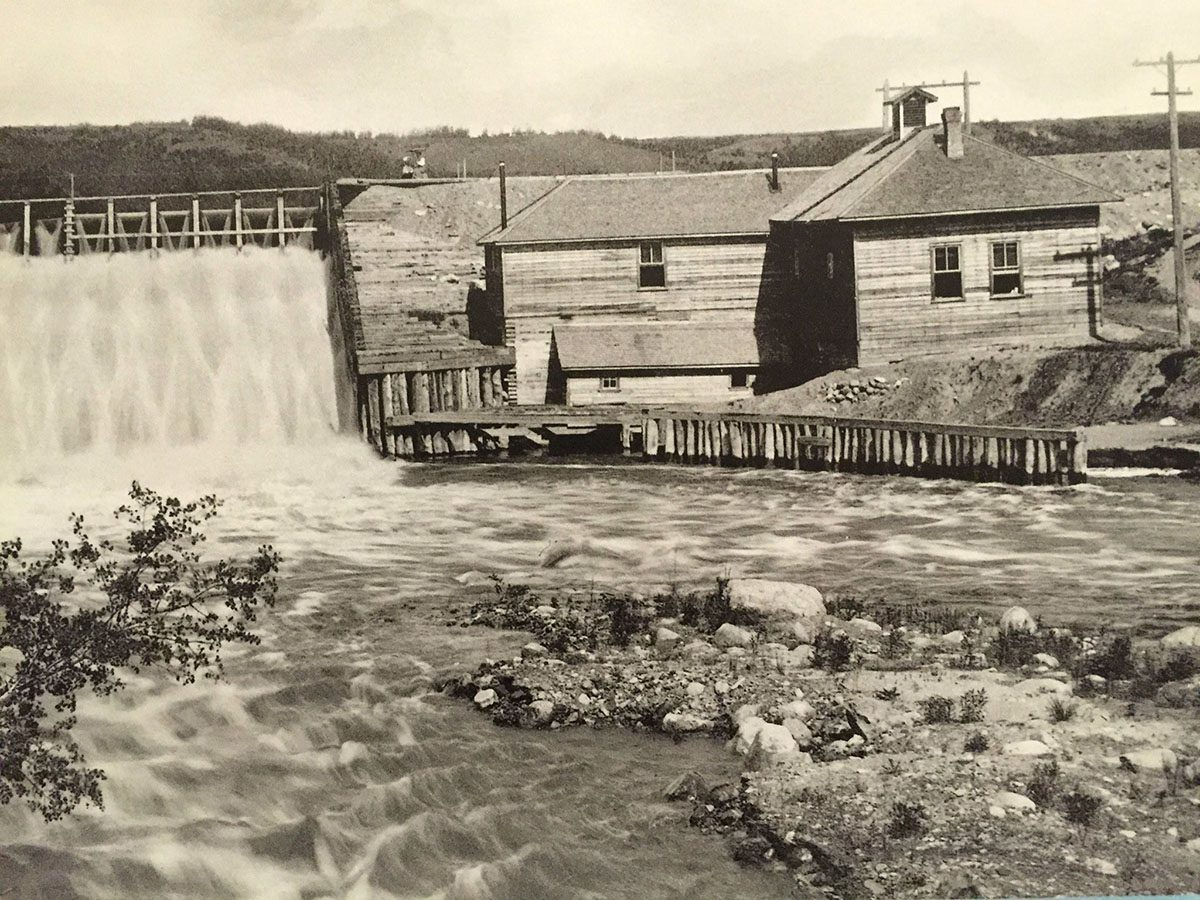
The Minnedosa River became the first water body to supply electricity to the residents of Manitoba.
The history of Manitoba’s electrical industry dates back to 1900. The Minnedosa River Plant was the province’s first hydroelectric station. Construction began in 1900 along the Pinawa Channel of the Minnedosa River. The project cost $3 million and took six years to complete. The private company Winnipeg Electric Railway Company managed the development. By 1906, the station was operational, supplying electricity to the city of Brandon via a 14-kilometre transmission line. The station operated from April to November and closed during the winter months.
The dam was built using vertical wooden beams positioned along the river valley. The beams measured 30 feet wide, and upon opening, the station generated approximately 0.6 megawatts of electricity.
The river proved to be a powerful energy source for Manitoba residents, but its potential remained unknown until the first hydroelectric station was built.
In 1911, the municipal government conducted assessments of the Minnedosa River, initiating the construction of additional hydroelectric stations along the waterway. That same year, the Pointe du Bois hydroelectric station was built. It became the next station developed by a municipal utility.
The Minnedosa River Plant operated for over 20 years before being decommissioned in 1924. In 1948, a massive flood caused by a dam failure destroyed the remaining structures of the Minnedosa station. As of 2012, only a few wooden beam remnants are visible at the former site of the Minnedosa River Plant. New, modern hydroelectric stations have since replaced it, supplying power not only to Manitoba but also to neighboring cities.