

Agriculture is the practice of cultivating land, growing crops, and raising livestock. It is primarily carried out by farmers and rural communities. We are all familiar with staple agricultural crops like wheat and corn, which are essential for food production. Without agricultural products, people would not be able to sustain their daily lives.
Many may not realize that agriculture also includes flower cultivation, medicinal plant farming, and aquaculture. All these activities and their products are a crucial part of Alberta’s economy. More details can be found on edmonton.name.
The Impact on Alberta’s Water Resources
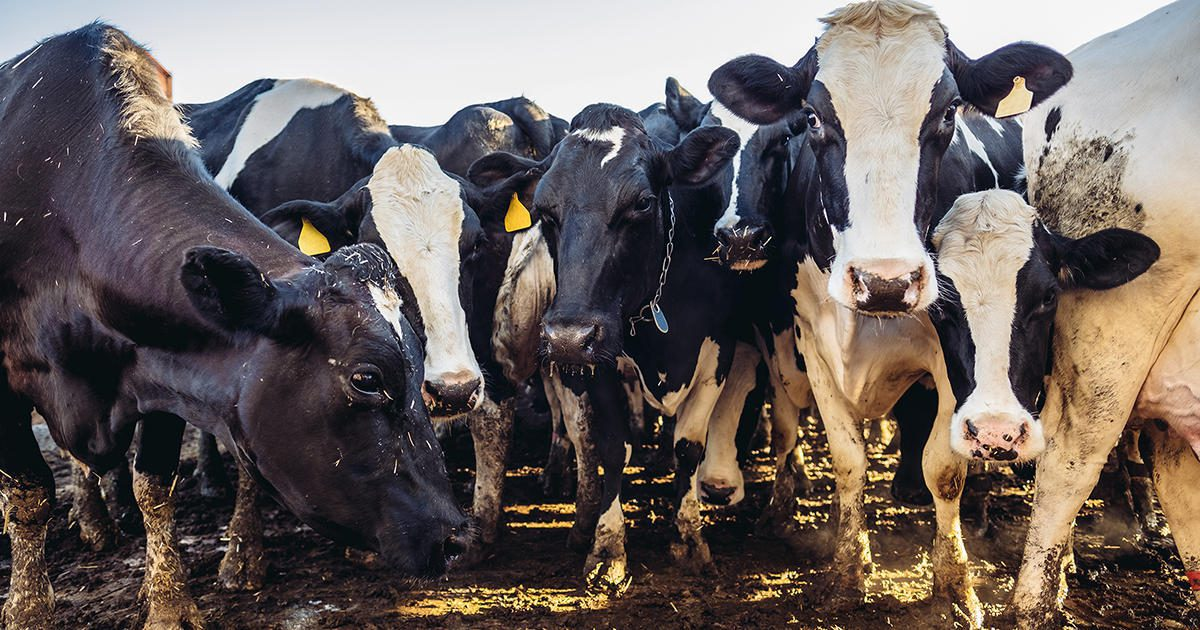
Agriculture relies heavily on land and water resources, often generating waste as part of the production cycle. However, when these wastes enter waterways, they can significantly damage aquatic ecosystems.
Pesticides and fertilizers are the most common pollutants that reach Alberta’s rivers. Contaminants infiltrate groundwater through leaching or runoff, reducing water quality. Additionally, agricultural activities themselves can contribute to water degradation. For example, livestock drinking from rivers can damage shorelines and vegetation.
Soil erosion due to wind can also increase sediment levels in rivers. Excess sediment can harm fish by damaging their eyes and gills, reducing sunlight penetration in water, and depleting oxygen levels, which can kill aquatic plants and wildlife.
Agricultural emissions negatively impact soil and contribute to climate change. Rural areas play a role in greenhouse gas emissions and their accumulation in the atmosphere.
Derek MacKenzie, an associate professor in soil science at the University of Alberta, has been conducting research on soil for several years. He states that there is significant potential for soil to store large amounts of carbon. Therefore, agriculture should adopt specialized methods to reduce greenhouse gas emissions.
In 1997, 42 soil samples were collected from various locations across Alberta and tested for salinity, fertility, and overall organic matter content. MacKenzie explains that using these samples and modern testing techniques allows scientists to study soil genetics and its capacity to retain carbon.
Soil quality can be affected by insufficient sunlight and water, but agriculture remains one of the primary contributors to its degradation. Modern farmers often use complex pesticides that can damage soil and water. According to MacKenzie, soil functions in agriculture should include not only supporting crop productivity but also storing carbon, fostering microbial life, and reducing greenhouse gas emissions.
Methods to Prevent Agriculture’s Environmental Impact
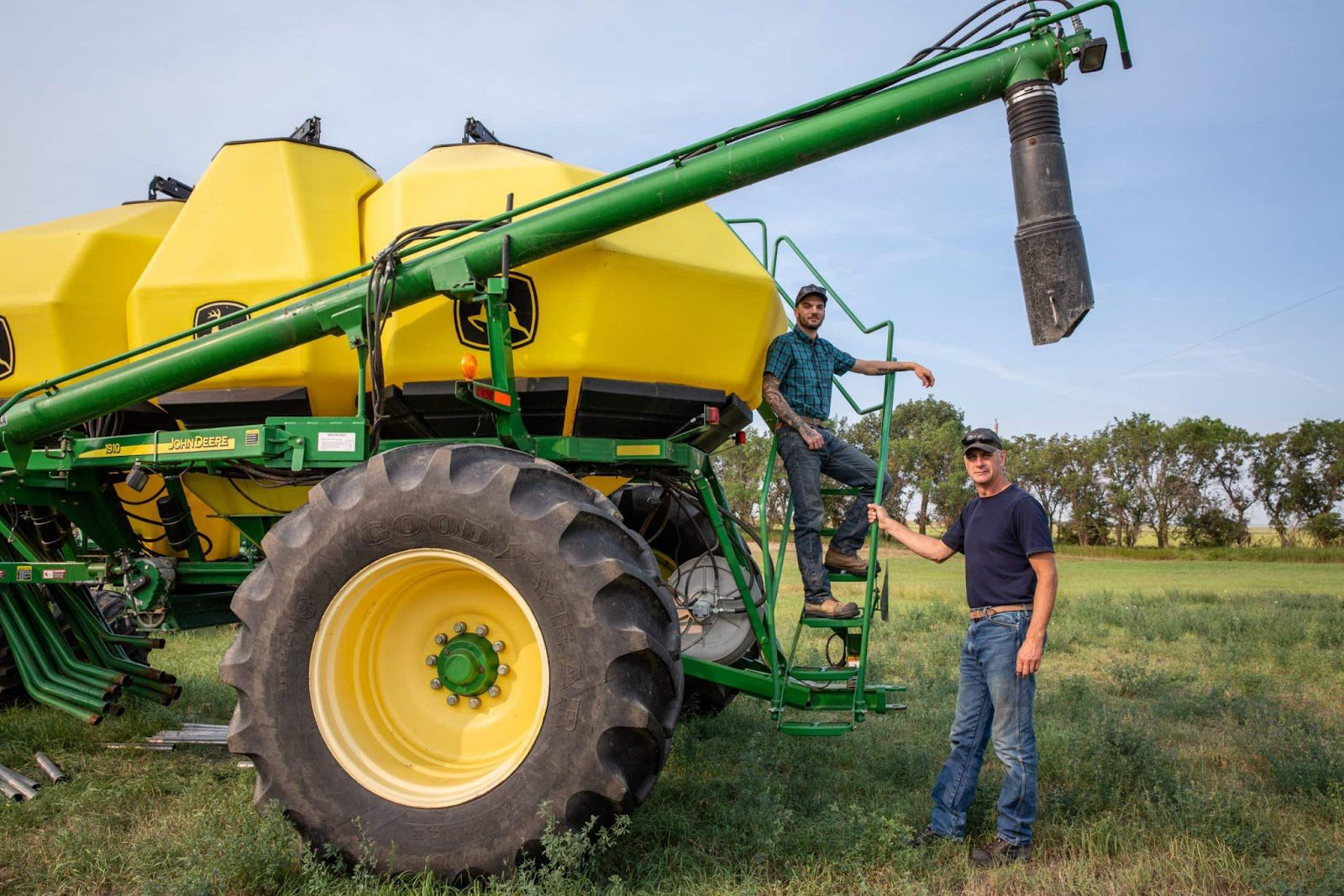
Farmers employ various strategies to minimize their impact on water and soil quality. Alberta has an Environmental Farm Plan, an individualized self-assessment tool that helps farmers identify environmental risks on their land.
There are several measures that both farmers and the general public can take to protect land and water resources:
- Establish vegetation buffers between rivers and fertilized areas to limit harmful substances from entering water sources through runoff.
- Ensure surface and groundwater remain uncontaminated by animal waste. For example, using natural and synthetic liners beneath manure storage areas can protect water from contamination.
- Regulate livestock grazing intensity and restrict access to sensitive environmental zones. Providing alternative water sources for livestock can help prevent damage to natural waterways.
- Implement nutrient management plans to sustain high crop yields while reducing fertilizer costs and minimizing environmental impact.
- Keep livestock, poultry, and manure storage away from waterways to prevent direct contamination of water sources.
By adopting these practices, Alberta can maintain a balance between agricultural productivity and environmental sustainability, ensuring cleaner water and healthier soil for future generations.