

A zoo is a place that brings adults back to their childhood and transports children into a world of wonder. Visiting a zoo in childhood often creates lasting memories. Unlike a routine trip to a supermarket, a visit to the zoo becomes a cherished moment etched in our minds forever. Learn more at edmonton.name.
Zoos Around the World and in Canada: Facts
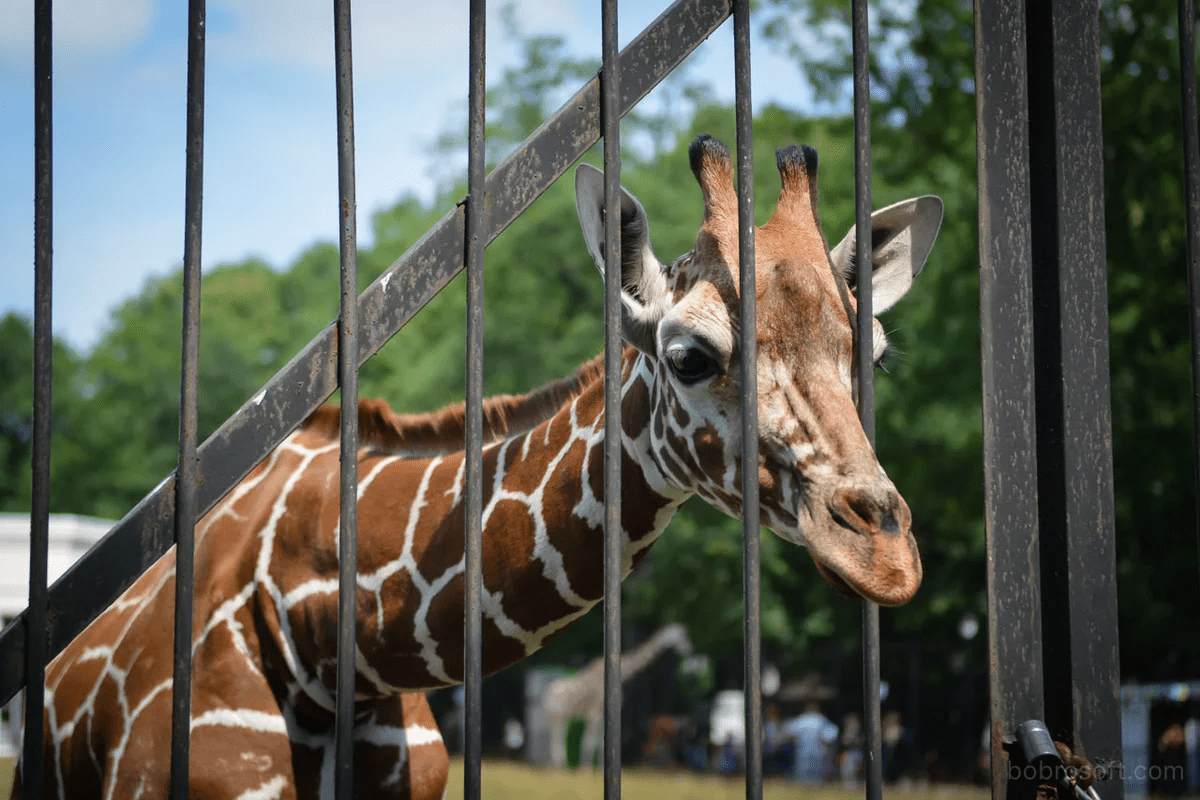
Legend has it that the first zoo, then referred to as a “menagerie,” was established in 1752 in Schönbrunn, then the capital of Austria. Another legend suggests that the first zoo dates back to 1500 BCE in Egypt, under Pharaoh Thutmose III, who brought back exotic animals from his military campaigns to Amon’s Garden.
The term “zoo” was first officially used in 1828 for the Zoological Gardens in London.
In Alberta, the first zoo opened on January 9, 1929, on St. George’s Island along the Bow River in Calgary. By the 21st century, the Calgary Zoo became the second-largest zoo in Canada, boasting over 1,000 animals from 272 species as of 2005.
Across Canada, there are approximately two dozen zoos, though this number fluctuates annually. This count includes official zoos as well as sanctuaries and smaller facilities.
Valley Zoo: Edmonton’s Treasure
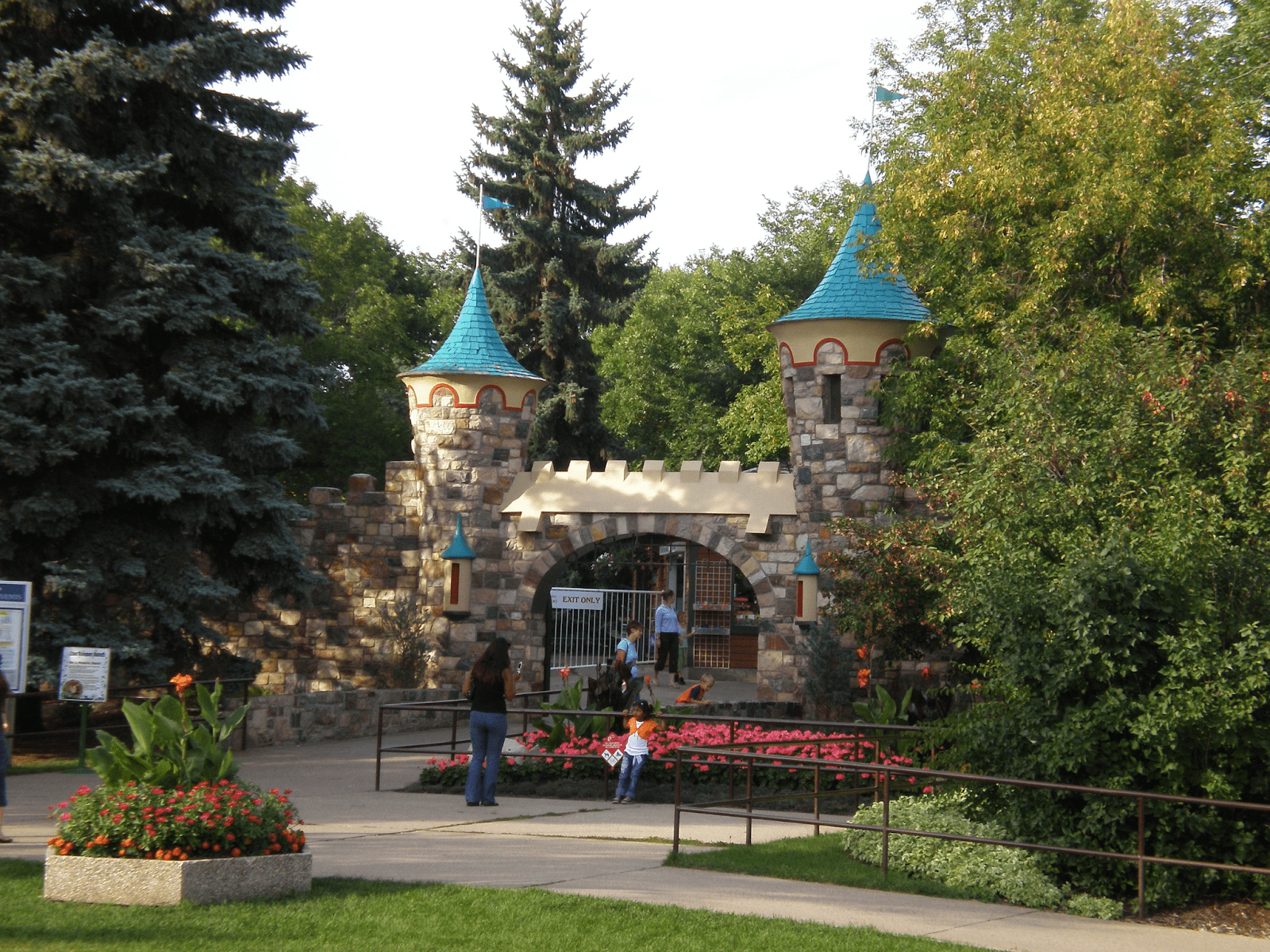
In 1959, Edmonton welcomed its own zoo, eliminating the need for families to travel 300 kilometers to Calgary. The exact opening date remains debated, with sources citing either June 30 or July 1 of that year. However, all agree on the year of its establishment.
The zoo was strategically located along the North Saskatchewan River, ensuring ample fresh air and a serene natural environment. It was intended to replace the aging Borden Park Zoo.
Since its inception, the Valley Zoo has operated year-round, closing only on Christmas Day. Most of its original structures, known as the “inner zoo,” were built in 1959 and still stand today.
Transformations Over the Years
Significant changes began in 2007 with the construction of the “Makira Outpost,” a dedicated habitat for lemurs. This marked the first step in a broader development plan approved by Edmonton’s city leadership in 2005, which allocated approximately $50 million annually for the zoo’s operation and upgrades.
Other notable attractions followed, such as the Alley of Predators, Saito Center, African Veldt, and Birds of Prey exhibits. Although the Valley Zoo covers a relatively small area of 0.2 square kilometers, it is efficiently designed and densely populated, housing over 350 exotic species and around 100 native animals.
The Story of Lucy the Elephant
A highlight of the zoo—though not without controversy—is Lucy the elephant. Rescued as an orphan from Sri Lanka, Lucy arrived in Edmonton in 1977 at the age of two. Since 2009, debates have swirled about her well-being, with animal advocates pushing for her relocation to a natural habitat.
A Beloved Part of Edmonton’s Identity
The Valley Zoo remains one of Edmonton’s cherished attractions. While smaller in scale compared to major international zoos, its charm lies in its intimate atmosphere, variety of animals, and deep historical roots. With its long-standing legacy and enduring popularity among visitors, the Valley Zoo promises to continue creating memories for generations to come.