

Gemstones are mined across the globe in various forms, but Alberta has a unique claim to one of the rarest gems: ammolite. Since 1987, Alberta has been the sole region in the world for its commercial mining. Ammolite, prized for its vibrant colors and rarity, is found exclusively in Lethbridge, Alberta. More details on edmonton.name.
The Origin of Ammolite
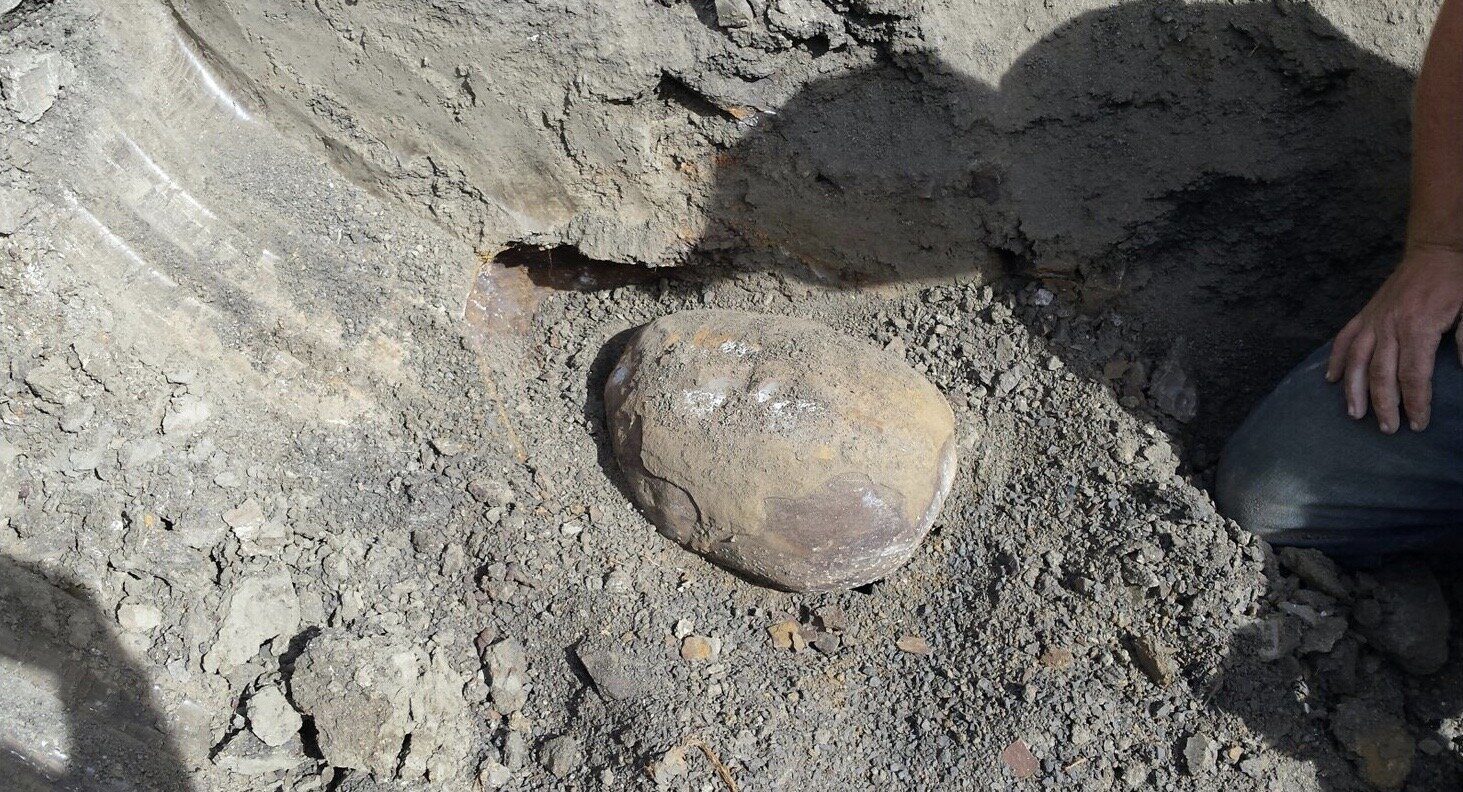
Ammolite originates from the fossilized shells of ammonites, extinct mollusks that thrived in the Bearpaw Sea millions of years ago. This ancient sea once stretched from Alberta to Saskatchewan and Montana, splitting North America into two halves.
The formation of ammolite begins with mineralization around the fossilized ammonite shells, eventually creating a precious gem. The highest-quality ammolite is typically found embedded within layers of shale rock.
Alberta is the only location globally where ammolite is commercially mined. The Bearpaw Formation, particularly in the Oldman and St. Mary rivers, produces the finest-quality gems. Ammolite’s brilliance and iridescent, rainbow-like effect make it unparalleled in appearance.
Naturally, ammolite is fragile and soft. To be used in jewelry or other items, it requires treatment with epoxy resin and often a quartz coating for durability.
Uses of Ammolite
Select pieces of ammolite are popular in energy healing practices, believed to enhance health and attract good fortune. Indigenous peoples like the Niitsitapi (Blackfoot Confederacy) incorporated ammolite in their healing traditions, referring to it as “Iniskim” or “Buffalo Calling Stone.”
Ammolite is also widely used in feng shui practices, where it is thought to carry universal knowledge and attract positive spirits into homes.
Ammolite Mining in Alberta
There are two primary mining zones for ammolite:
- Layered Deposits
These deposits consist of multiple layers, with the shallowest lying 15 meters below the surface and extending up to 30 meters deep. Most gemstones mined here are classified as AA-grade, featuring a unique “dragon skin” texture due to siderite concretions. However, they are often cracked and fragmented. - The Blue Zone
Located deeper, starting 20 meters below the surface and reaching depths of up to 65 meters, the Blue Zone yields higher-quality ammolite without siderite concretions. Instead, the gemstones are coated with a thin layer of pyrite, offering well-defined edges and minimal fractures. Blue Zone ammolite, particularly from southeastern Alberta, is rare and highly valuable.
Lower-grade ammolite (Class K) is found in northwestern Alberta, near the Red Deer River. Specialized companies manage ammolite extraction in Alberta, with several mining operations located in the Bearpaw Formation of southern Alberta. The first commercial ammolite mine was established in 1987, though the remaining reserves of this gem in Alberta remain uncertain.
Mining Process
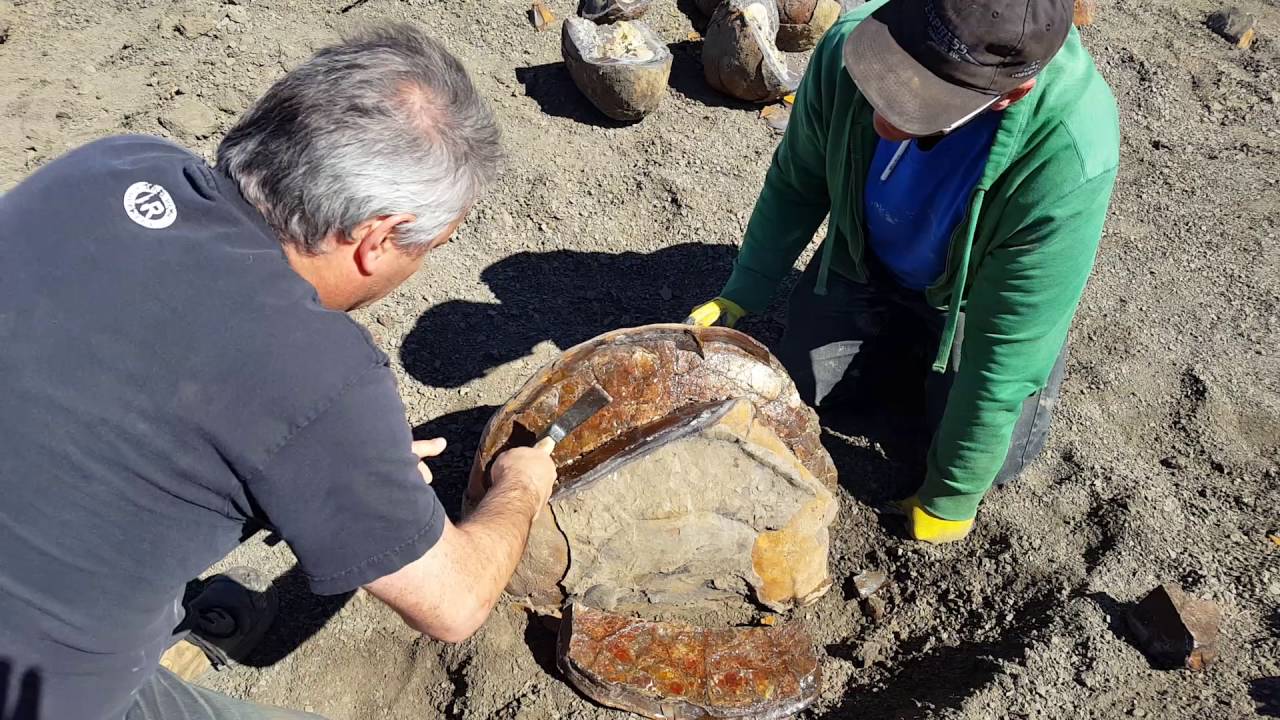
The mining process is mechanized and straightforward. Workers dig pits approximately 100 meters deep, sifting through the sand to identify potential gemstones. This meticulous work involves manual inspection of every centimeter of shale. Roughly 50% of the mined ammolite is used for jewelry production.
Investing in Ammolite
Ammolite’s rarity and aesthetic appeal have attracted investors worldwide. With half of the extracted stones designated for jewelry, this precious gemstone continues to gain recognition as a valuable and beautiful resource from Alberta.