

Like many other cities, Edmonton faces challenges with air pollution, which has significant negative impacts on the health of people and animals. Pollution stems from vehicles, home heating, and industrial activities, releasing various toxic chemicals into the air. To address this issue, specialized organizations continuously monitor air quality. Learn more about how this process works in this article on edmonton.name.
The Impact of Industrial Facilities on Air Quality
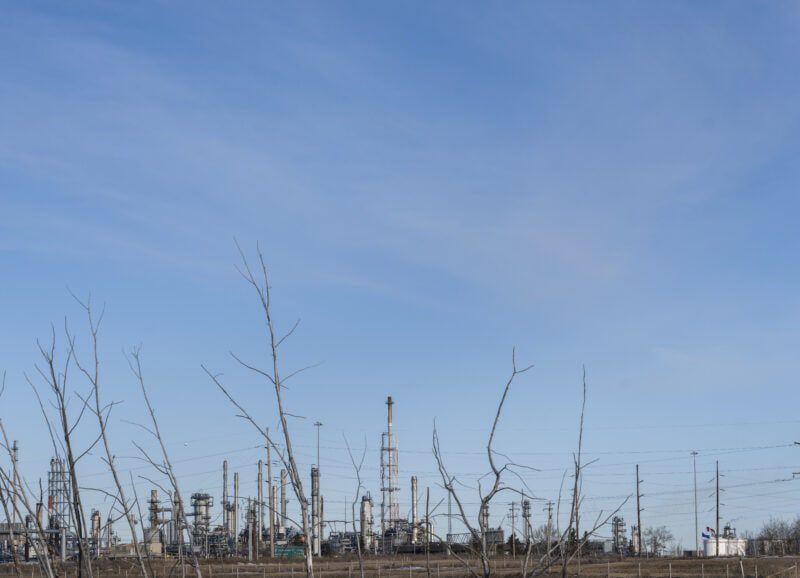
Industrial facilities, particularly oil refineries, are among the main contributors to air pollution in Edmonton. These facilities emit large quantities of chemicals into the atmosphere daily. While industries often conduct their own emission monitoring, the data they collect is often selective, not covering all pollutants.
Monthly emissions from Edmonton’s industrial facilities involve tens of thousands of substances, yet many do not report accurate data. Dr. Elaine MacDonald, director of Ecojustice’s Healthy Communities program, stated in an interview that the lack of detailed emissions reporting suggests some companies are concealing the true scale of their environmental impact.
Who Monitors Edmonton’s Air Quality?
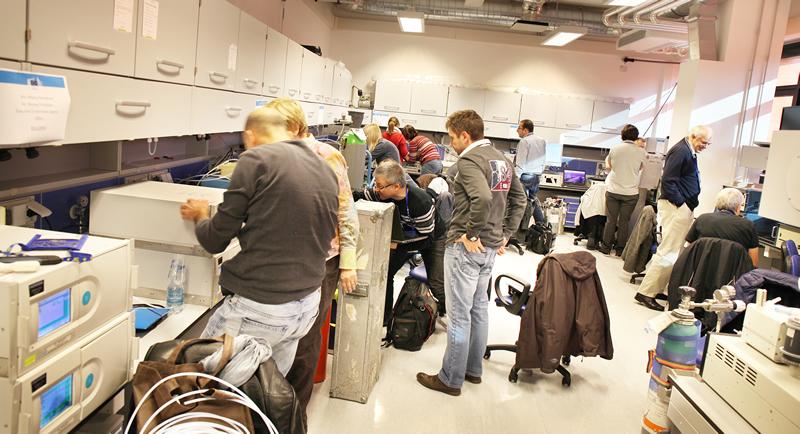
Edmonton utilizes specialized air monitoring stations throughout the province. These stations track critical pollutants like particulate matter and nitrogen oxides, which are primary contributors to air quality degradation. Some stations also monitor secondary pollutants such as hydrogen sulfide and volatile organic compounds, often produced by machinery and other equipment.
According to Alberta government data from 2020, there are 336 industrial sites in Edmonton that report their contributions to air pollution. The most significant polluters are the Imperial Oil and Suncor refineries. Imperial ranks first in overall pollution impact, with Suncor following in second place. For volatile organic compounds, Suncor is ranked eighth, while Imperial is nineteenth. Across the province, Imperial is the second-largest emitter of carbon monoxide, with Suncor in 24th place.
Alberta Capital Airshed is one of the primary organizations regularly analyzing and publishing air quality data for Edmonton. The city hosts one government-operated monitoring station, four industry-operated stations, and two additional stations managed collaboratively. These stations provide comprehensive data to Alberta Capital Airshed.
The Strathcona Industrial Association, which represents several regional industrial facilities, conducts real-time air quality monitoring. Notably, it operates the region’s sole station monitoring ozone, a key component in determining the Air Quality Index (AQI).
Air Quality in Edmonton
Monitoring station data reveals that Edmonton struggles with poor air quality, with levels of fine particulate matter and nitrogen dioxide frequently spiking in some parts of the city. According to a 2020 report by Alberta Capital Airshed, significant fluctuations in nitrogen oxide levels have been observed in certain areas.
Harry Redmont, executive director of Alberta Capital Airshed, explained that when pollution spikes are detected during monitoring, specialists can identify the source by analyzing wind speed, direction, temperature, and relative humidity.
Overall, Edmonton’s air quality often shows an increase in fine particulate matter and ozone levels, accompanied by a decline in hydrogen sulfide concentrations.