

Edmonton is home to a wide variety of plants, but not all of them benefit the environment. Invasive weeds have become a significant problem for the city and its residents, displacing native vegetation, damaging riverbanks, and proving toxic to animals. Learn more about Edmonton’s battle against invasive plants and strategies for their control on edmonton.name.
Common Invasive Plants in Edmonton
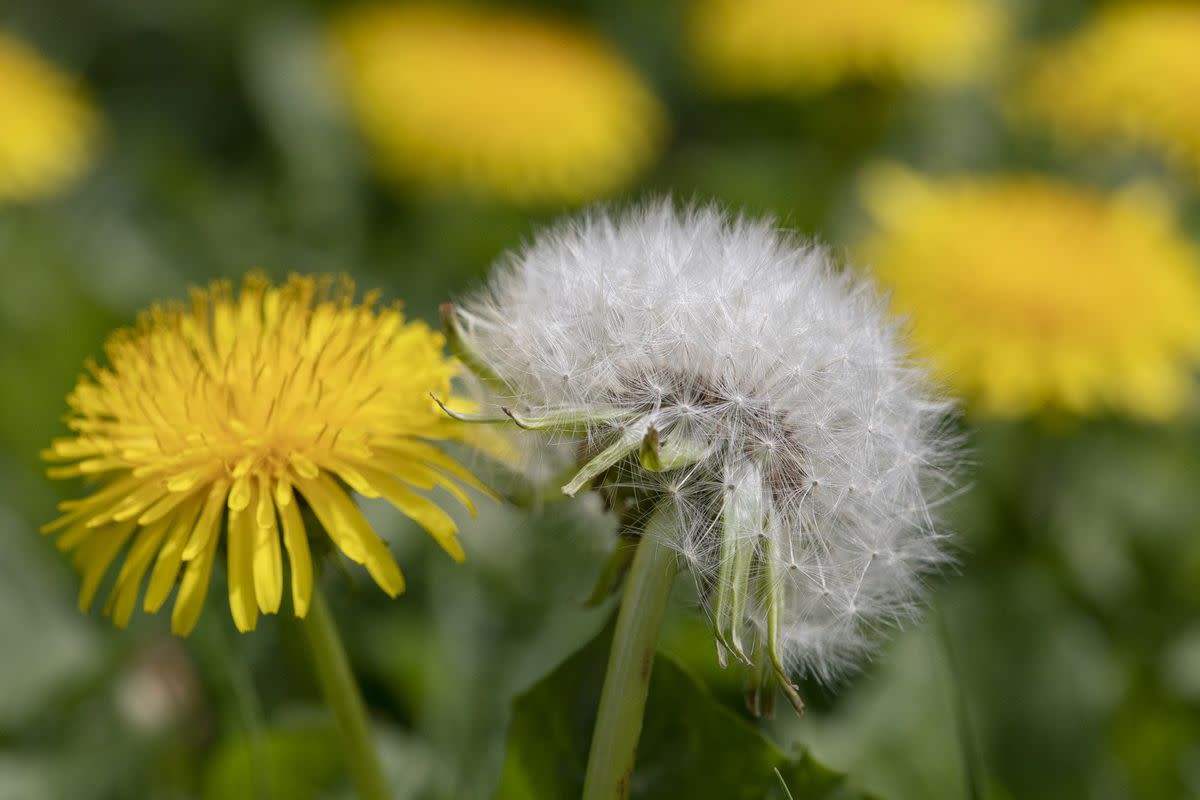
Invasive plants are weeds that grow outside their natural range and rapidly spread to new areas, harming agricultural crops, native plants, and ecosystems. They infest streams, riverbanks, and reduce biodiversity in local flora. Edmonton struggles with five common invasive plant species:
- Perennial Sow Thistle
Often mistaken for dandelions due to its bright yellow flowers and milky sap from cut stems, this perennial weed grows up to 2 meters tall. It reproduces through seeds or creeping roots and spreads quickly, damaging crops. While no specific biological controls exist for this plant, regular mowing can reduce seed formation. Careful soil treatment is also essential to avoid disturbing the roots and encouraging regrowth. - Purple Loosestrife
This purple weed grows in garden beds, near streams, and ponds. Its spread clogs waterways and drainage reservoirs. With flowers up to 25 mm wide, the plant produces over 1 million seeds annually. Mowing or cutting only exacerbates its growth. The most effective control methods include manual removal or certified herbicides. In some areas of Edmonton, root weevils have been successfully used to eradicate purple loosestrife. - Garlic Mustard
This biennial plant features clusters of white flowers and triangular leaves. Its name derives from the garlic scent released when its young leaves are cut, caused by a toxin that reduces wildlife habitats and native plant diversity. Fortunately, it’s easy to control through soil treatment and mulching. Introduced to Western Canada in the mid-1800s, garlic mustard was originally used as a medicinal plant and for soil erosion prevention. - Hawkweed
Part of the daisy family, this weed disrupts soil pH, hindering the growth of other plants. It can be controlled with herbicides or by mowing before it blooms. Hawkweed is highly resilient, thriving in both intense sunlight and full shade. - Scentless Chamomile
Found in fields and along roadsides, this plant quickly takes over other vegetation, producing vast amounts of seeds. A single plant can occupy a square meter and generate up to 1 million seeds. Scentless chamomile has white flowers with jagged, rectangular petals. Since it reproduces by seed, soil treatment is the most effective method for controlling its spread.
Preventing the Spread of Harmful Plants

Park visitors can take steps to prevent the spread of invasive weeds:
- Wear clothing, shoes, and gear that don’t retain soil or plant material. Avoid coarse cotton or knit fabrics.
- Use a dedicated pair of shoes for visiting areas infested with invasive plants, or carry a brush to clean footwear afterward.
- Before leaving a park, clean shoes of dirt and plant debris. Check pets for seeds, soil, or plant parts, paying special attention to paw pads, between toes, ears, and nose.
Combating Harmful Plants
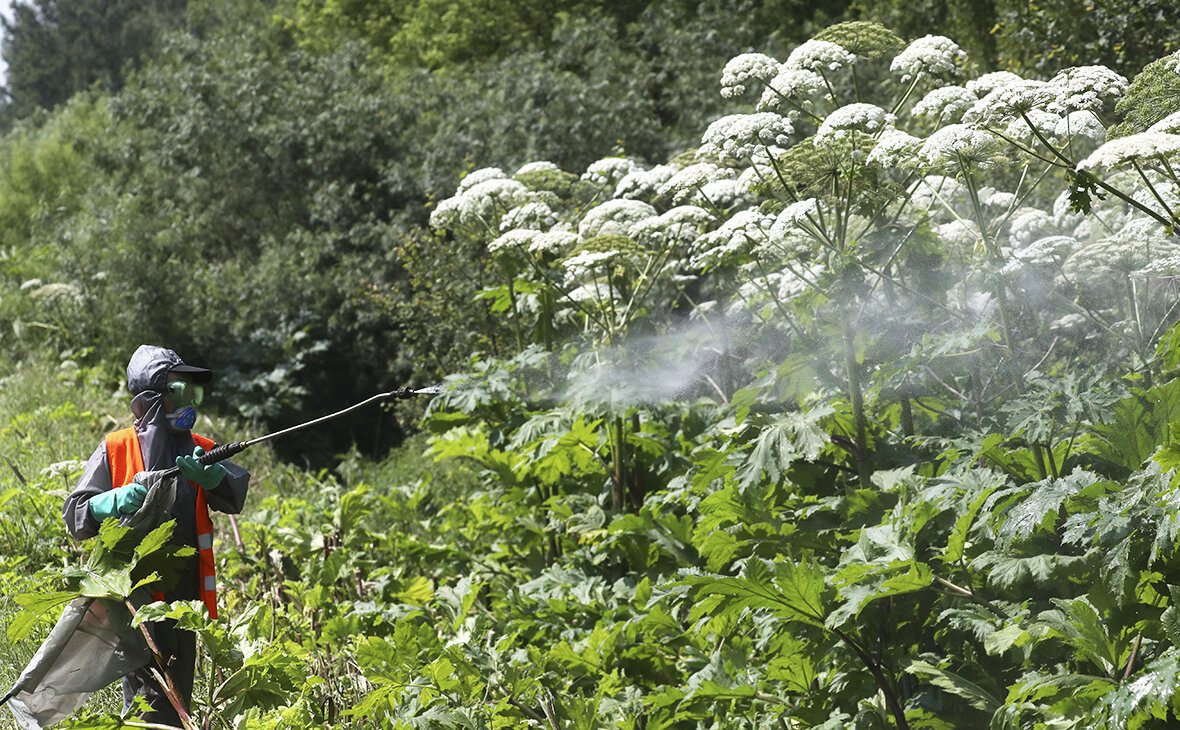
Edmonton has implemented an active approach to managing invasive plants with its Spot, Report, and Remove program, enabling residents to help reduce the spread of these weeds within the city.
- Identify Invasive Plants
Alberta’s Weed Control Act regulates invasive species harmful to the environment. The Act provides a comprehensive list of prohibited plants, including descriptions and growth locations. - Report Sightings
Residents can report invasive plants through Edmonton’s online reporting system. Include a photo of the plant, its location, and your contact information. - Remove Safely
If possible, remove the plant yourself. Ensure all parts of the plant—including flowers, leaves, stems, and roots—are removed from the soil. Seal them in a garbage bag and dispose of them in the appropriate bin.
By taking these steps, every individual can contribute to combating invasive plants, helping to keep Edmonton cleaner and healthier for future generations.