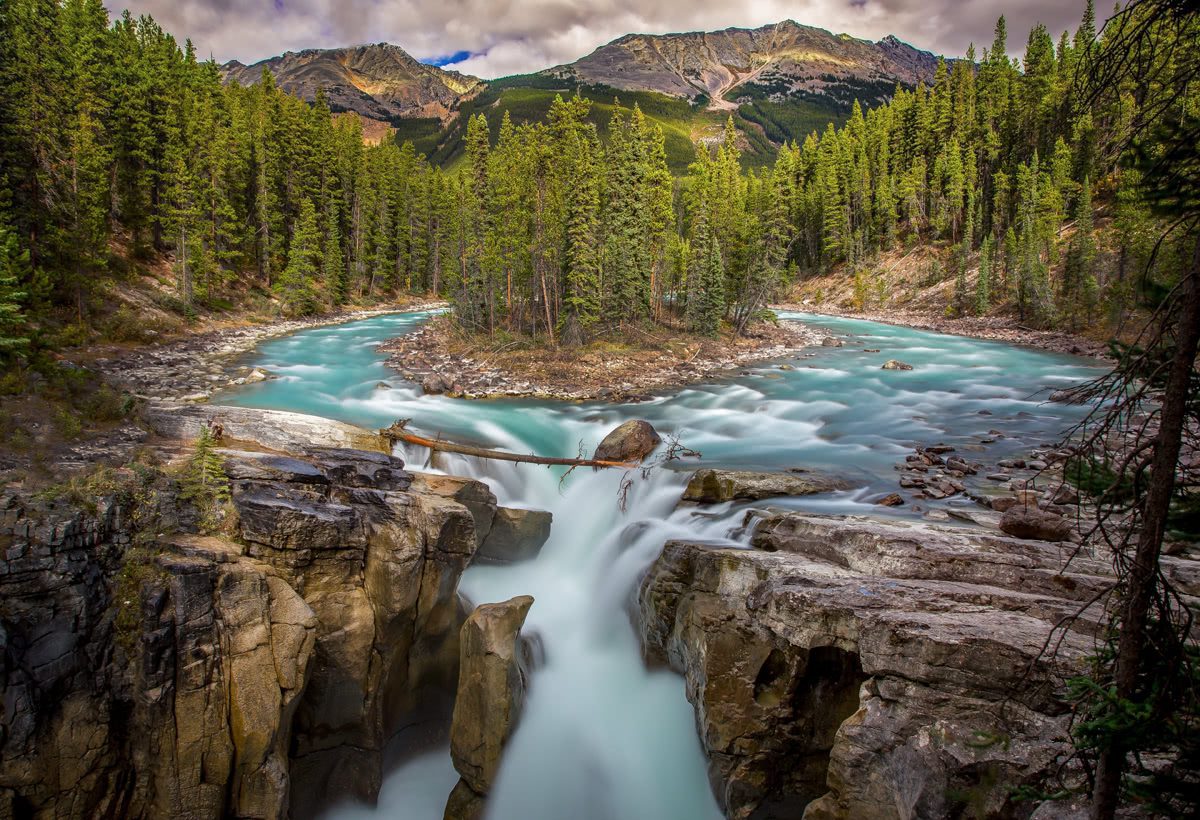
The boreal forest covers more than 58% of Alberta’s territory, making it an incredibly vast and diverse natural region. The wildlife found in this forest plays a crucial role in preserving biodiversity throughout the province. Learn more on edmonton.name.
Why Is the Boreal Forest Important?
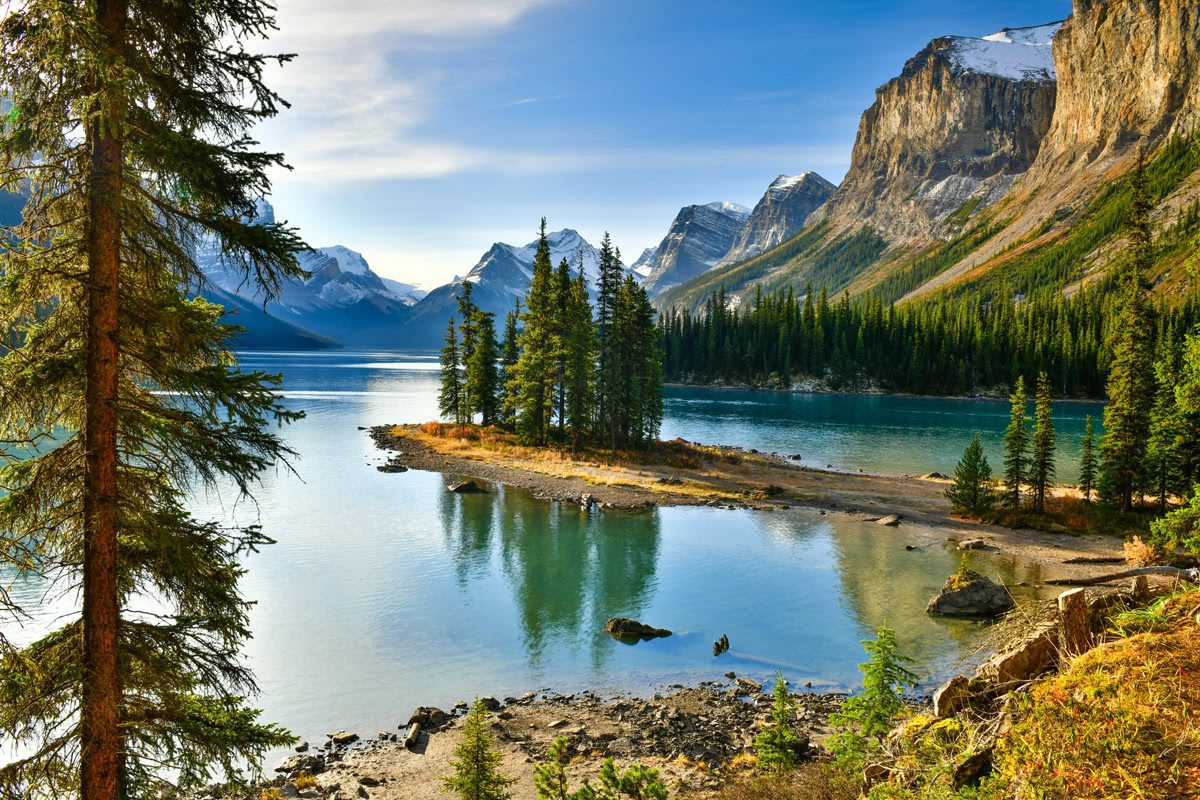
The boreal forest is the largest natural region in Alberta, spanning an area of 381,046 square kilometers. This forest begins north of the Foothills and Parkland natural regions and extends from Edmonton to the northernmost parts of the province, crossing both its eastern and western borders. In 1948, when Alberta’s Forest Service was established, the Green Zone was introduced within this forest to prevent agricultural encroachment on forest lands.
This natural region is a unique mix of intertwined ecosystems, including mixed forests, water bodies, wetlands, and streams. These features create vital habitats for numerous wildlife species.
The boreal forest is home to a variety of animals, with some of the most common being moose, snowshoe hares, beavers, and black bears. Its waters are inhabited by species such as yellow perch, northern pike, and walleye. Among birds, raptors and songbirds are the most widespread.
This forest is especially important for species that are at risk of extinction, such as woodland caribou and wood bison. The diverse ecological systems within the boreal forest provide essential ecosystem services for humans, most notably clean air and water.
Despite being a remote region, the boreal forest also plays a significant role in Alberta’s economy, particularly as a source of jobs. However, industrial activities such as hydroelectric development, agricultural land conversion, and logging have led to significant degradation of its ecosystems. The forest’s climate is characterized by short growing seasons lasting only a few months, with abundant rainfall in summer, and long, cold winters. These conditions create ecologically rich but fragile landscapes.
It is worth noting that between 1980 and 1990, Alberta’s forestry industry grew more than fourfold compared to previous years. This expansion was partly driven by a decline in oil prices, which prompted the province to view forestry as a means of diversifying and stabilizing its economy. Another contributing factor was the development of new technologies that made it economically feasible to produce pulp from deciduous trees, particularly aspen, which is the most common tree species in northern Alberta.
The Current State of the Boreal Forest
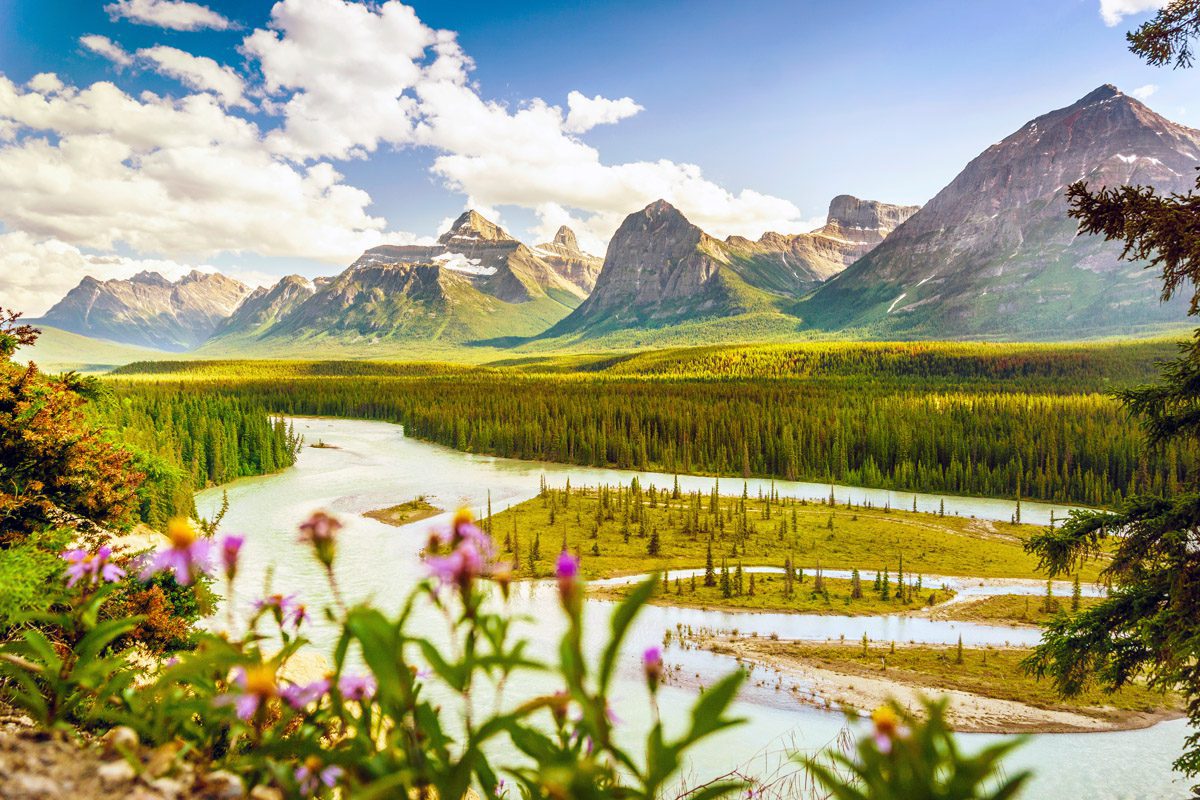
According to analysis from 2018, 15.5% of the boreal forest region is protected through the establishment of parks and conservation areas. The remaining areas consist of either private or public lands managed according to specific land-use objectives. Public lands in Alberta are divided into two major categories: the White Zone and the Green Zone. The White Zone encompasses settled areas with extensive agricultural land use, while the Green Zone remains largely forested.
Alberta’s Land-Use Framework
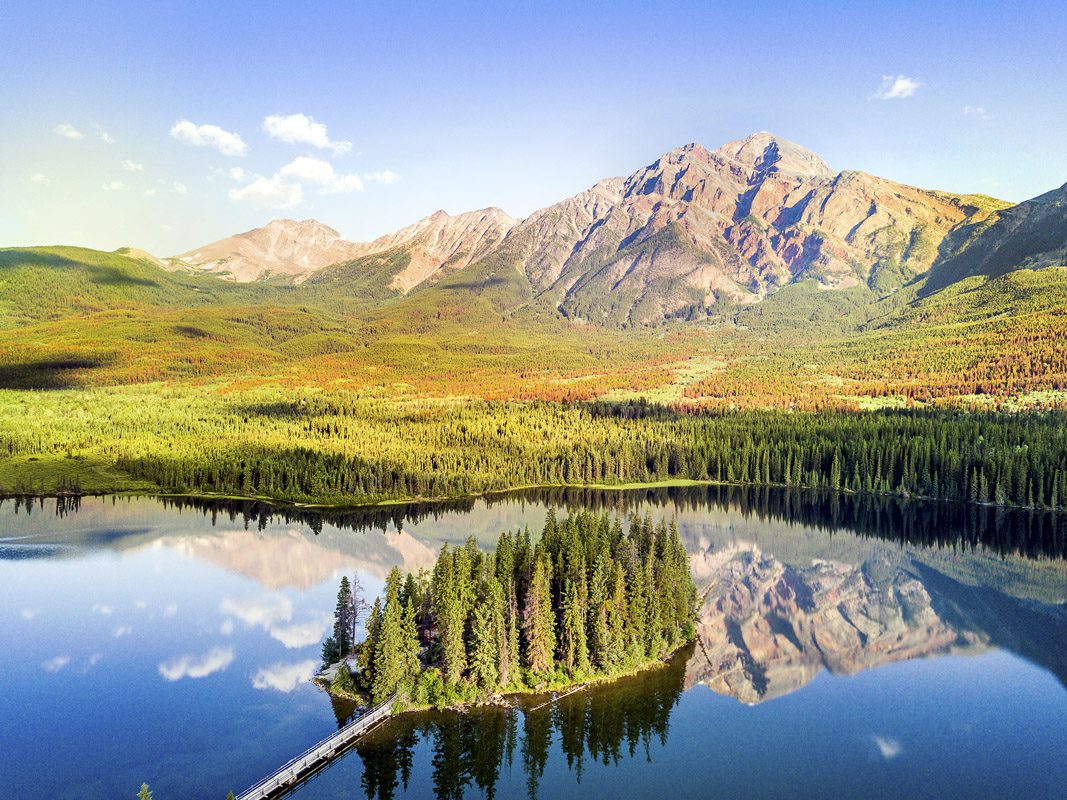
In 2018, the Alberta government committed to implementing several regional land-use frameworks for managing forests. The boreal forest is included in land-use frameworks such as Lower Peace, Upper Peace, the two Athabasca regions, and segments of the North Saskatchewan plan. These frameworks are intended to help the government sustainably manage land and natural resources while preserving ecosystems.
Local governments regularly convene meetings and launch new initiatives to protect the boreal forest and the wildlife it supports. These combined efforts aim to ensure that Alberta’s boreal forest remains a critical part of the province’s natural heritage for generations to come.