

In Edmonton and the surrounding area, there are plenty of spots to escape the hustle and bustle of the city and enjoy nature. These parks and scenic locations draw people in with their diverse landscapes, cozy rest areas, and great opportunities for a walk. In this article, we’ll explore the best natural spots in Edmonton that are a must-visit for both tourists and locals. Let’s dive into the details on edmonton.name.
Boisvert’s GreenWoods
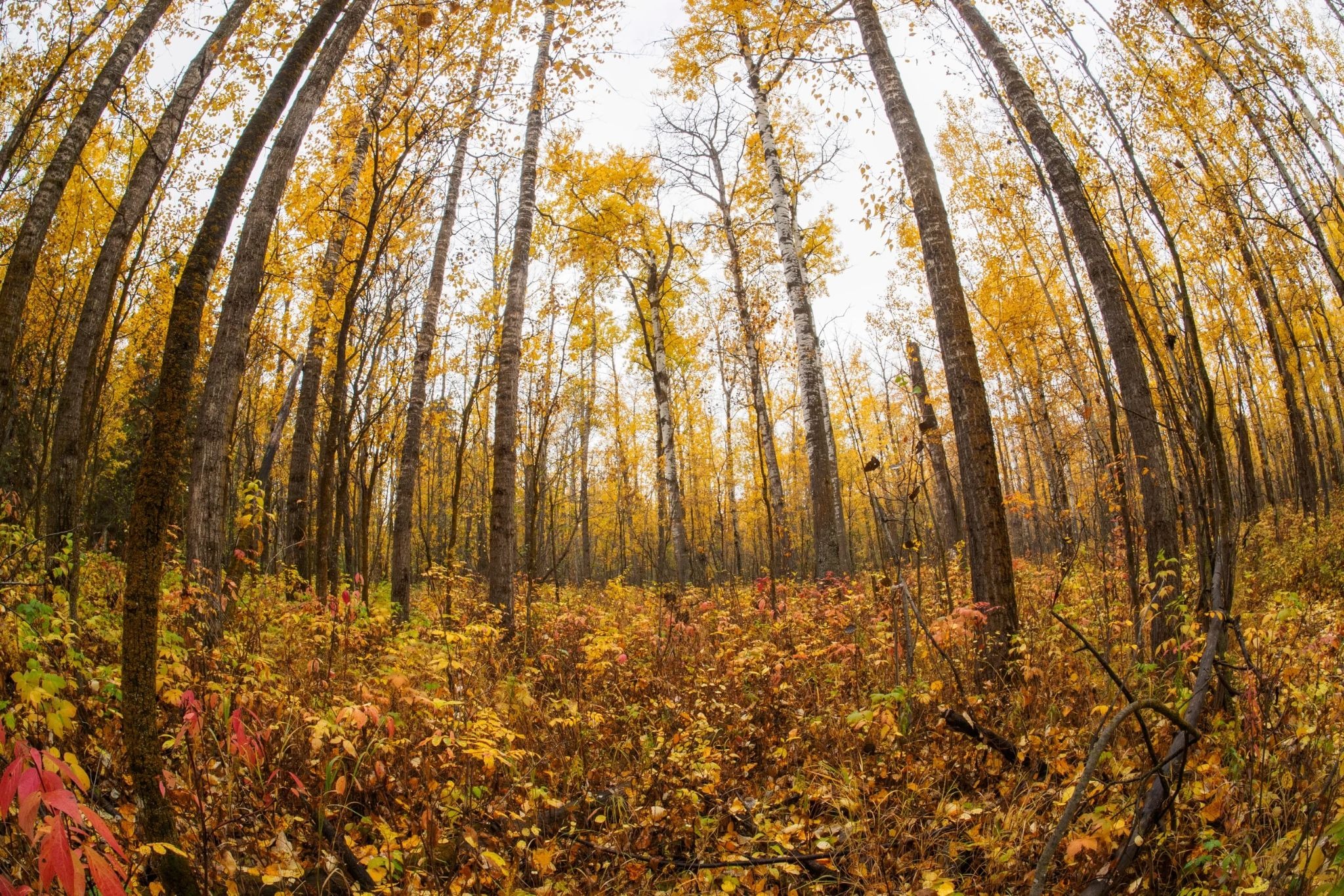
Located in Sturgeon County, just a 20-minute drive from Edmonton, you’ll find a little-known 80-acre conservation area nestled among farmlands. It features a 1.5-kilometre loop trail. Along the way, you’ll spot balsam poplars and trembling aspens that are over a century old. It’s the perfect spot to enjoy birdsong and watch for moose, deer, and other wildlife. The forest is also equipped with bat boxes and birdhouses.
Coates Conservation Land
If you’re looking for an outdoor adventure, Coates Conservation Land in Leduc County is definitely worth a visit. The main draw here is its rich paleontological history. In the 1990s, researchers discovered hadrosaur footprints and skin impressions from an Albertosaurus. Be sure to check out Willow Creek—it preserves the history of the Cretaceous period, and you might even spot some fossils.
Lu Carbyn Nature Sanctuary
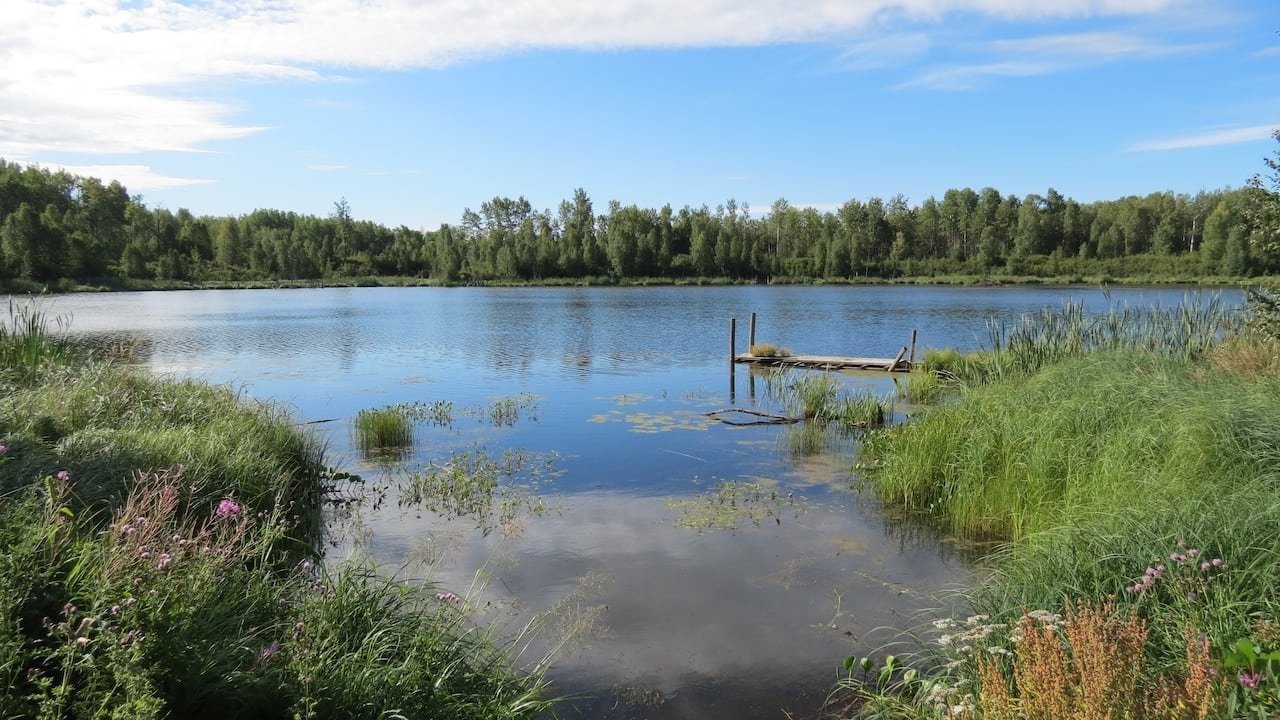
This nature sanctuary in Lac Ste. Anne County was established to protect a diverse range of bird species and their habitats. It was named after biologist Lu Carbyn, who donated the land. With over 95 recorded bird species, the sanctuary is renowned for its peaceful atmosphere and unique environment, making it a fantastic spot for quiet walks and nature watching.
The Lu Carbyn Nature Sanctuary features wooded areas, trails, and zones of native vegetation. Here, you can spot birds, small mammals, and insects. It’s a popular destination for hikers, photographers, and anyone looking for a quiet retreat away from the crowds. The trail network forms a loop of about 2.5 to 3 kilometres. Many fallen trees are left untouched to support the natural life cycle of the forest ecosystem.
Lily Lake
Just a short distance from the Lu Carbyn Nature Sanctuary lies another protected area that covers a quarter of the Lily Lake shoreline. The lake is well-named. From mid-July through August, its surface is blanketed with vibrant yellow water lilies.
You can explore up to 4 kilometres of trails here. However, be prepared—some sections of the terrain can get quite boggy.
Hodgson Wetland
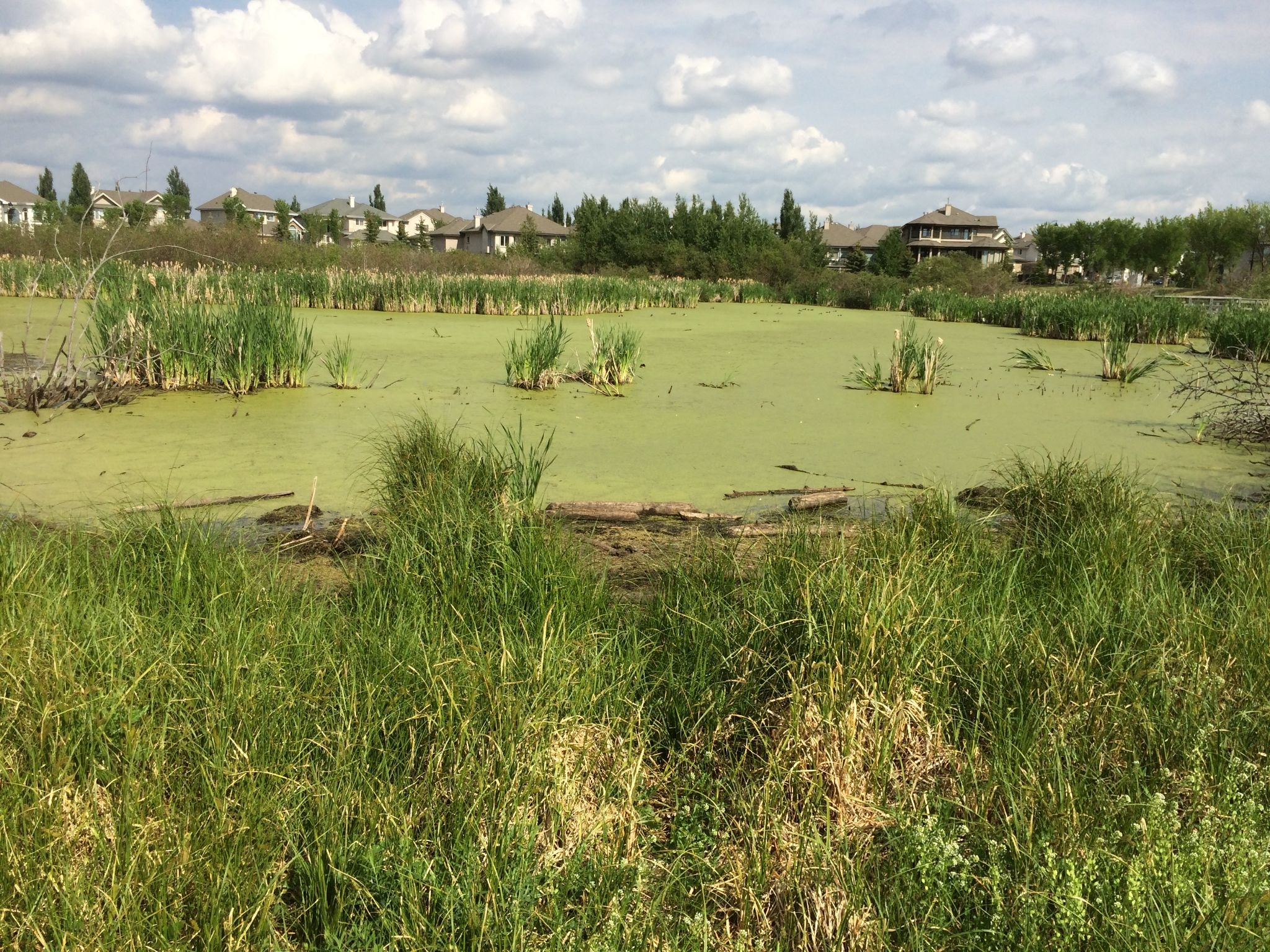
Hodgson Wetland spans about 2.2 hectares in southeast Edmonton. The city has protected this unique natural area since 2002. Sedges, willows, and cattails fringe the wetland, acting as an ecological buffer that protects water quality and provides nesting grounds for waterfowl. About 200 metres to the west, there’s a man-made stormwater management facility adjacent to the natural wetland. Both bodies of water provide habitat for waterfowl, frogs, and muskrats. Native plants have been planted along the overland corridor northwest of the wetland, including:
- Poplar.
- Chokecherry.
- Wolf willow.
- Red osier dogwood.
This corridor acts as a vital link in the city’s ecological network, creating a functional connection between the Hodgson Wetland and Whitemud Creek, located about 400 metres to the east. This allows birds and small mammals to move freely between the wetland and the creek, enriching the area with wildlife from the river valley.
Since 2009, the Hodgson Wetland conservation group has actively maintained the area. A paved multi-use trail wraps around this natural oasis, featuring viewing platforms that offer great vantage points of the open water, emergent plants, and upland vegetation. As an added bonus, the wetland is located right next to a paved road, making it highly accessible.
Cooking Lake-Blackfoot Provincial Recreation Area
The Cooking Lake-Blackfoot Provincial Recreation Area boasts over 170 kilometres of multi-use trails starting from four different staging areas. These trails range from moderate to difficult and are perfect for hiking or cross-country skiing. It’s a fantastic spot to watch flocks of migratory birds that arrive every year, as well as to spot moose, bison, and deer.
Roper Pond
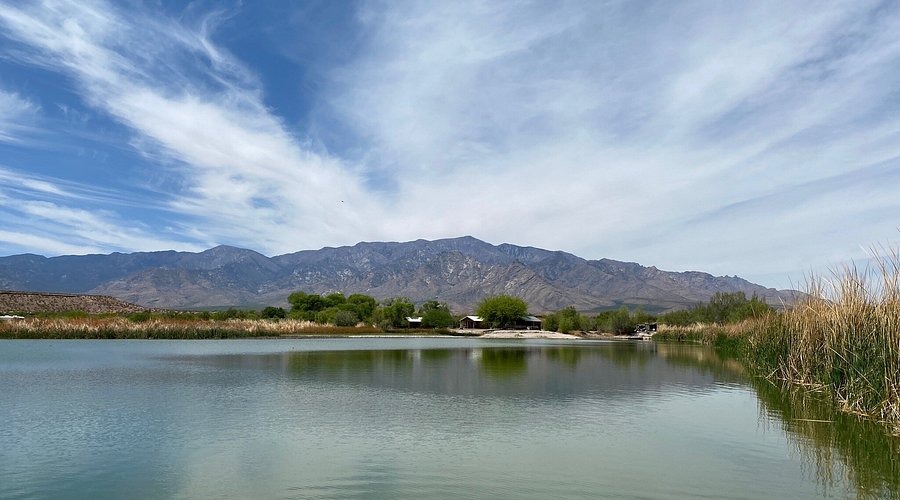
Roper Pond is a man-made, 10-hectare wetland situated right in the middle of an industrial zone in southeast Edmonton. Designed in 2004 as a stormwater treatment facility that mimics a river ecosystem, it has since blossomed into a true hidden oasis for wildlife. You can spot pelicans, herons, and wood ducks on the water while listening to birdsong. Muskrats, coyotes, and hares roam the reeds and tree lines. The pond consists of two sections: a small settling basin and a larger marsh featuring a wooded island in the middle for safe bird nesting.
The 1.1 to 1.3-kilometre loop trail is flat and easy to navigate. Interpretive signs are set up along the path, explaining how the water treatment system works and highlighting the local fauna.
Ministik Conservation Area
This sanctuary offers a fascinating blend of forests and wetlands, providing unique opportunities for hiking and exploring. Located a 30 to 40-minute drive southeast of Edmonton, the landscape is dotted with hundreds of small lakes, bogs, and rolling hills. It’s one of the best places around to watch for moose. The area is also home to deer, wolves, coyotes, and a massive population of waterfowl. Ministik Conservation Area features excellent snowmobile trails and plenty of options for cross-country skiing. Keep in mind that during the summer, the trails can get wet and overgrown.
Hicks Conservation Land
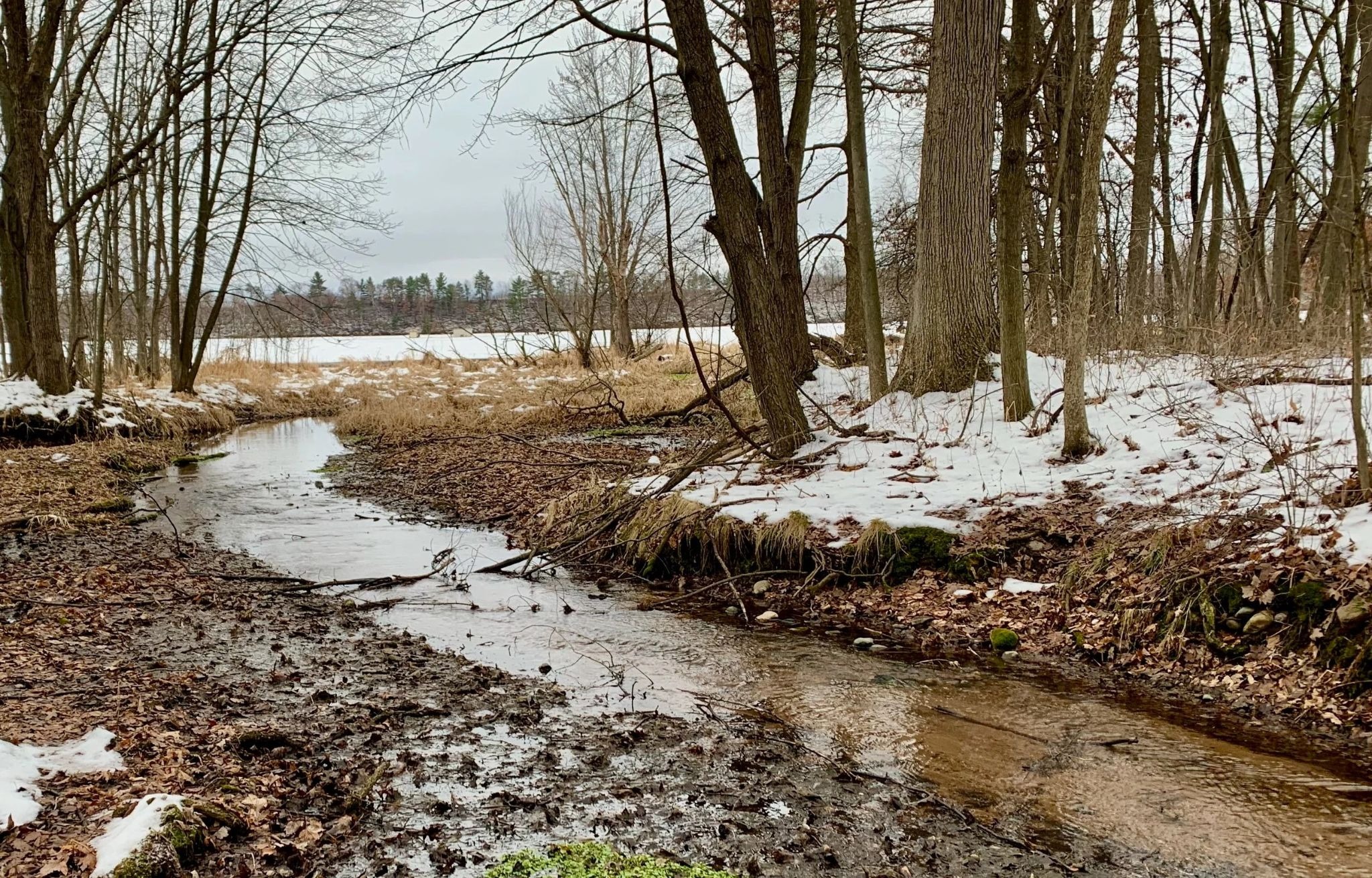
Nature lovers flock to Hicks Conservation Land for its scenic walks. Covering 149 acres just south of Hastings Lake, this area is part of the UNESCO Beaver Hills Biosphere. It’s teeming with wildlife and sprawling wetlands. The sanctuary features a relatively easy loop trail that is roughly 1.9 to 2.2 kilometres long.
Pipestone Creek Conservation Land
Pipestone Creek Conservation Land is a beautiful nature reserve near Edmonton, renowned for its picturesque landscapes and tranquil vibe. It’s a magnet for nature lovers, hikers, and wildlife enthusiasts. The area is home to deer, herons, songbirds, and small mammals. When visiting, you can hike the 5.5-kilometre trail system and take in the stunning scenery.
Wagner Natural Area
Wagner Natural Area is a unique ecological site located just 5 to 8 kilometres west of Edmonton. This protected natural zone was established to preserve rare ecosystems and boasts incredibly rich flora and fauna. It’s home to native plants, amphibians, insects, birds, and small mammals. Visitors can enjoy a 1.5-kilometre walking trail complete with boardwalks and small bridges.