

Mineral resources are naturally occurring solid materials. Alberta is rich in these resources, with some having a long history of extraction. For example, salt extraction from deposits in the northeastern part of the province began in 1820. In 2018, the three most valuable mineral products were sand, gravel, and silica sand. Notably, Alberta also has great potential for extracting a broader range of valuable minerals, including diamonds, lithium, and uranium, as reported by edmonton.name.
The Rich Western Canada Sedimentary Basin and the Canadian Shield
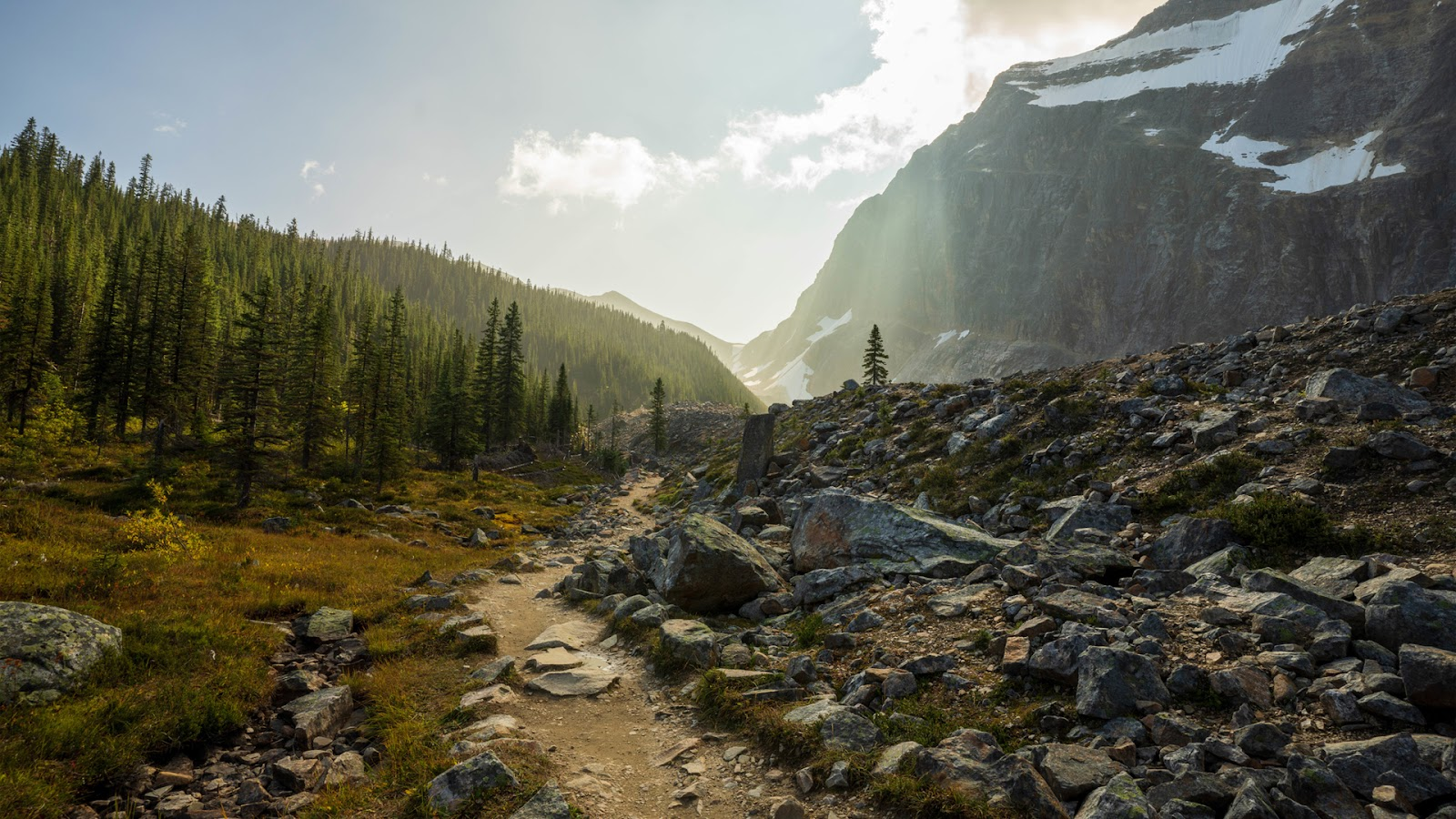
The Western Canada Sedimentary Basin, covering a vast area of Alberta, holds extensive reserves of mineral resources. These geological layers contain not only oil sands, crude oil, natural gas, and coal deposits but also a variety of metallic and industrial minerals. Additionally, the Canadian Shield in the northeastern part of the province consists of igneous and metamorphic rocks from the Precambrian era.
Metallic and industrial minerals found in brine are solid substances and elements naturally extracted from soluble components. The development of these mineral resources in Alberta has historically been limited, as the primary focus has been on oil, natural gas, and coal. While over 40 types of metallic and industrial minerals are known in the province, only a few are currently being mined. However, Alberta has significant potential for new discoveries and the extraction of certain minerals, including:
- Gold
- Silver
- Diamonds
- Potash
- Vanadium
Much of this potential remains unexplored. Exploration and development of non-oil, coal, and natural gas resources have been conducted only on a limited scale. The provincial government is working to expand its economic base through various strategies.
To achieve this, Alberta has developed a modern mineral extraction strategy that aims to maximize its resource potential and encourage innovation. Additionally, extensive support services, such as geological mapping and geophysical surveys, are being actively implemented.
Interesting Facts About Alberta’s Minerals
Alberta is home to a variety of mineral resources, including oil sands, limestone, coal, salt, ammonite shells, and gravel. One notable example is the brown sandstone used in the facade of the Banff Springs Hotel, which is still quarried near Canmore. This mineral is widely used in both construction and landscape design. Sandstone from the Glenbow quarry was used to build the upper four floors of Alberta’s Legislative Assembly Building, a project that began in 1907 and was completed in 1912.
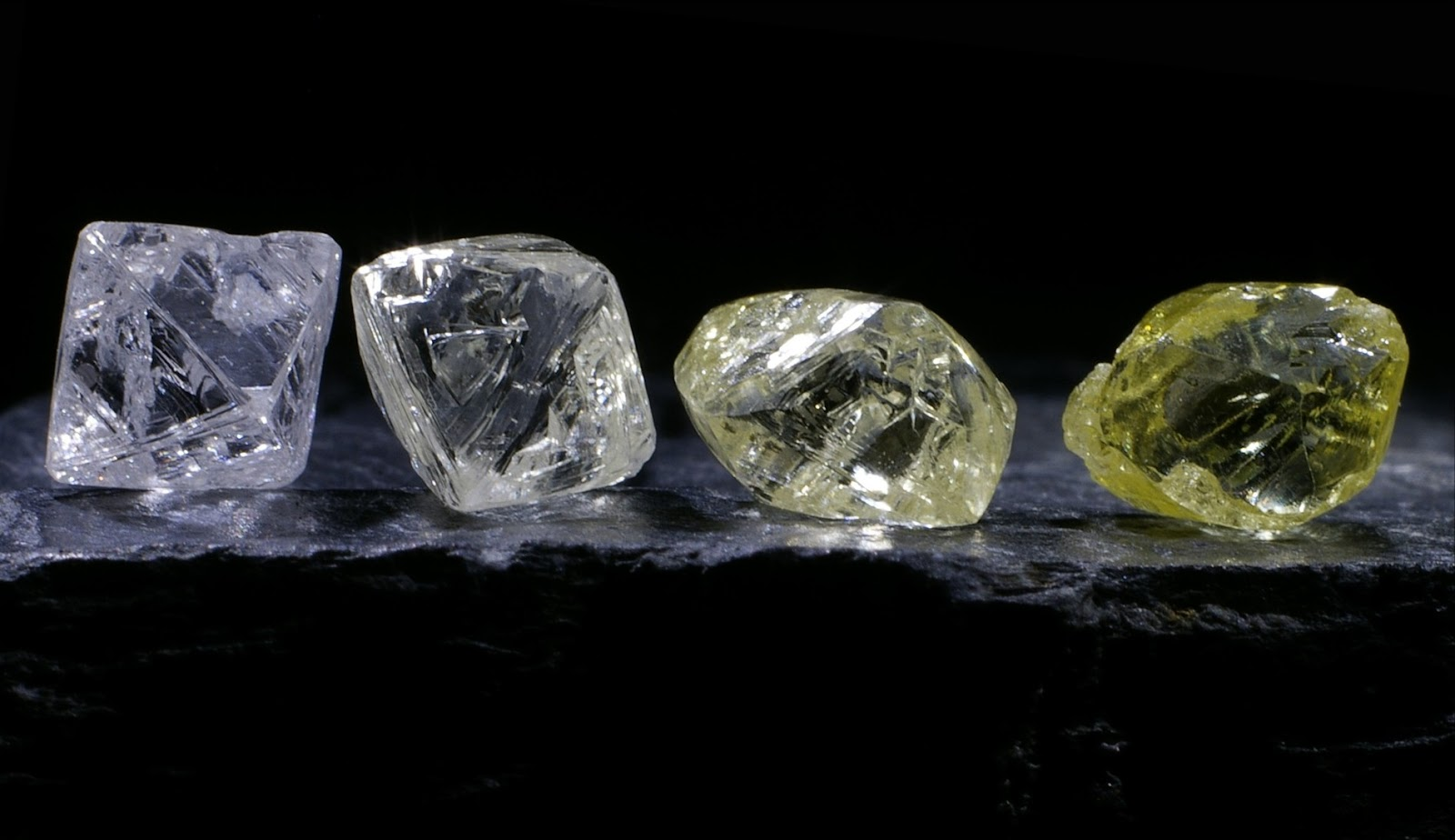
In the fall of 2008, 51 kimberlite formations were discovered in Alberta. The highest concentration of diamonds was found in the Buffalo Head Hills region in the north-central part of the province. Three of these kimberlites contain diamonds at a concentration of 12 carats per 100 tonnes. The largest diamond found in the Ashton K14 complex in Buffalo Hills, north of Edmonton, weighs 1.3 carats. This silver-grey monocrystal features multiple dark inclusions, classifying it as an industrial-grade diamond. The first recorded discovery of a diamond in Alberta dates back to 1958 when one was found in river gravel near Evansburg, east of Edson.
Ammonite was designated as the official gemstone of Lethbridge in 2007 and is unique to Alberta. It consists of fossilized mineralized remains of ammonites—a group of marine mollusks that went extinct approximately 65 million years ago. Ammonite shells first attracted the interest of Alberta’s mineral collectors in the 1970s when the popularity of iridescent red and green gemstones grew.
Alberta is also a major producer of cement, with two large production facilities—one located west of Calgary and the other in Edmonton.
Key Regulations for Mineral Extraction
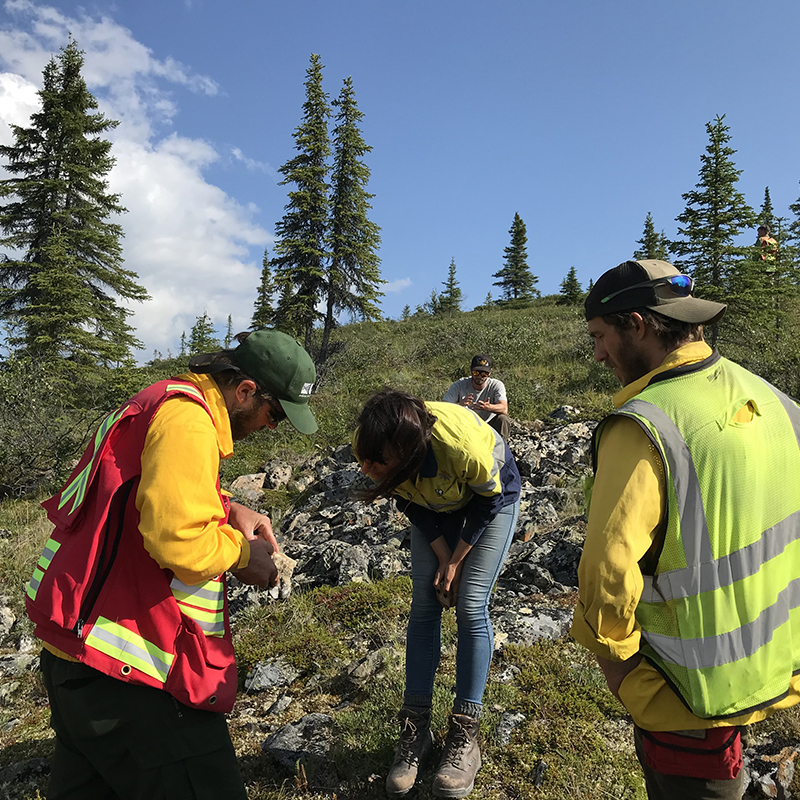
A license is required for the extraction of gold and other minerals from sand and gravel deposits. This process is regulated under the Metallic and Industrial Minerals Regulation. Depending on the type of minerals, mining operations and land reclamation must be approved. Mining companies employ various methods to restore mined lands and develop strategies to minimize environmental impact on air, land, and water. Before initiating exploration and extraction, companies must assess environmental risks in the mining zone.
Currently, Alberta’s mining operations extract minerals through quarrying and solution mining techniques. Historically, mineral extraction focused on industrial minerals and small-scale recovery of placer gold and ammonite. In the 1900s, Alberta saw large-scale mining of base metals such as copper, zinc, and lead, providing essential resources for construction and road maintenance. Many of these minerals are still mined today, and exploration for new resources continues actively.