

The issue of flooding and natural disasters remains a significant concern for Alberta and, particularly, Edmonton. The region is no stranger to its “Achilles’ heel,” as experts often describe it. Since the early 20th century, nature has struck the area with devastating floods twice, with the 1915 flood being particularly memorable. As the saying goes, “Without the past, there is no future.” Let’s delve into the problem that continues to alarm the capital of Alberta and the province as a whole. More on edmonton.name.
Memorable Floods
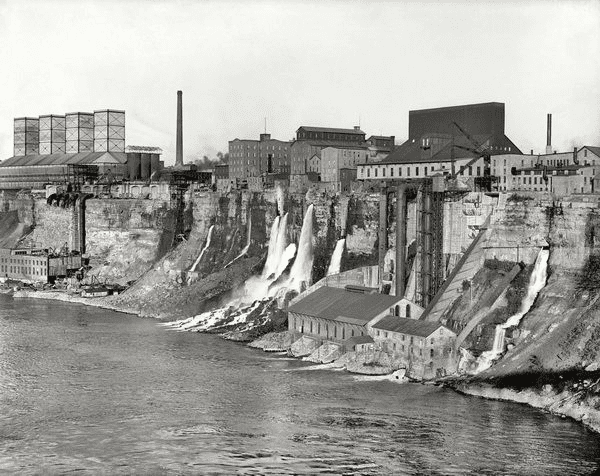
January 28, 1915, is forever inscribed in the city’s chronicles with somber letters, as Edmonton’s primary natural treasure brought catastrophe to the region. Within mere hours, the water level of the North Saskatchewan River rose by ten feet. The result was devastating: homes, sawmills, farmlands, and countless other human achievements were swept away by the water. Despite the rail workers’ attempts to halt the flood—using railcars to block the debris-laden surge—they could not withstand nature’s force.
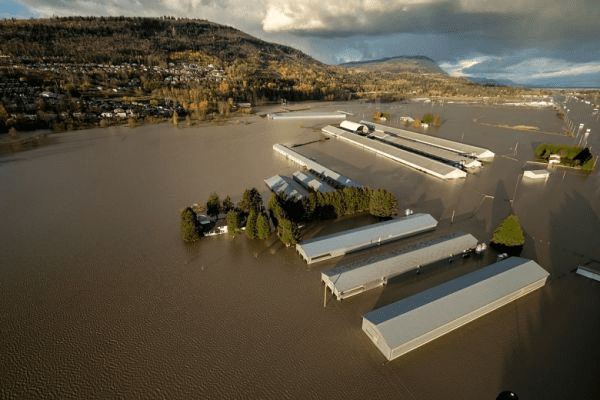
Statistics indicate that, on average, a significant flood occurs in the region once every hundred years. The year 2013 provided stark confirmation, as the Calgary flood caused approximately five billion dollars in damages to the region.
What Can Be Done? Experts Weigh In
In the aftermath of 2013, experts, specialists, and regional leadership identified three priority approaches that could act as solutions for flood prevention:
- Building the “Genesee” Dam at an estimated cost of 500 million dollars.
- Constructing flood barriers along the North Saskatchewan River, projected to cost 100 million dollars.
- Doing nothing and relying on fate to be more merciful in the future.
Statistical data indicates that Edmonton residents have a 56% chance of experiencing a significant flood, making the risk substantial.
Some experts believe that building a barrier near the communities of Cloverdale, Riverdale, and Rossdale could mitigate the problem, provided the total length of the barriers is approximately 10 kilometers. Their calculations estimate that construction and associated work—such as road relocation, infrastructure adjustments, and tree removal—would cost around 100 million dollars.
Meanwhile, other engineers suggest that constructing a dam 30 kilometers west of Edmonton could serve as the region’s lifeline. They recommend situating this dam in the valleys of the North Saskatchewan River.
Areas at Risk
According to expert assessments, Edmonton’s valley plains remain under significant threat, with approximately 2,000 homes—housing nearly 4,000 residents—potentially at risk. Additionally, notable landmarks, including the city’s tourist highlight “Fort Edmonton Park,” face potential danger.
The 1915 flood prompted city leaders to conclude that residential developments should not be built on valley plains, as they are the first to succumb to floodwaters.
Dam vs. Barrier Debate
An alternative viewpoint emphasizes the need to build dams near Edmonton, possibly multiple ones. Advocates of this theory argue that barriers are not a complete solution, as they merely create new lakes and reservoirs, delaying the inevitable and shifting the flood’s location.
Although Alberta already has two dams—Brazeau and Nordegg—they are too distant to provide full protection for Edmonton. However, compared to barriers, their impact on flood mitigation for the city remains noticeable.
Moving Forward
There is hope that a decision will be made soon to ensure that future generations will not suffer due to indecision at the start of the 21st century.
Yet, no matter how strong the fortifications, nature’s power can be overwhelming. The key remains in treating nature with respect, as even the most sophisticated structures cannot withstand her full force if we fail to care for the environment.