

The boreal forest spans over 58% of Alberta’s land area, making it one of the most significant natural regions in the province. This vast and diverse ecosystem is a critical hub for biodiversity, providing essential habitats for wildlife and delivering key ecological services. Learn more about the boreal forest’s significance and challenges on edmonton.name.
Why Is the Boreal Forest Important?
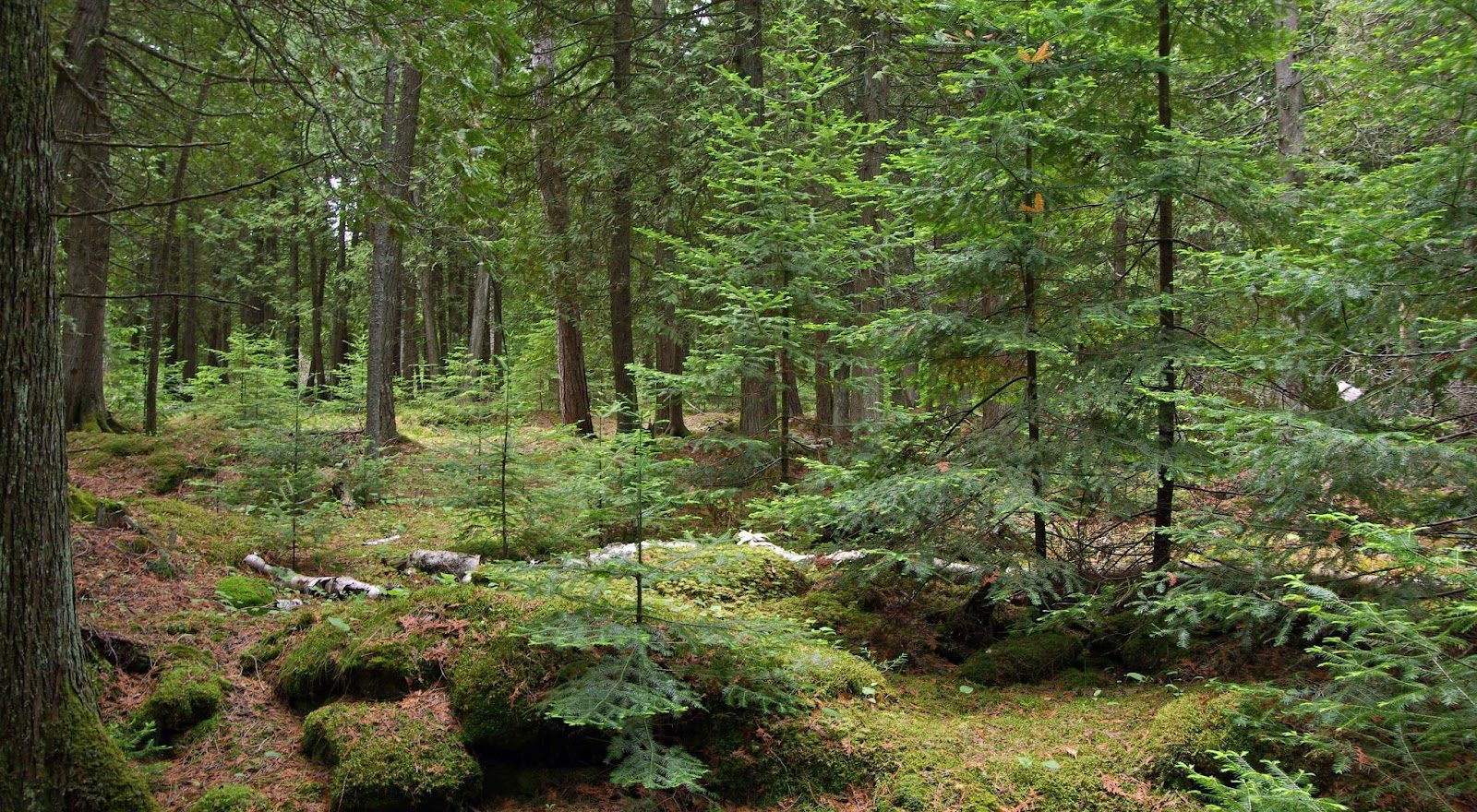
The boreal forest is Alberta’s largest natural region, covering an impressive 381,046 square kilometers. It begins north of the foothills and parkland natural regions, extending from Edmonton to the northernmost areas of the province and across Alberta’s eastern and western borders. In 1948, Alberta established the Green Zone within the boreal forest, limiting agricultural expansion and helping to preserve this vital ecosystem.
This natural region is a unique mix of interconnected mixed forests, water bodies, wetlands, and streams. These features provide crucial habitats for a variety of wildlife species, such as moose, snowshoe hares, beavers, and black bears. The waterways are home to yellow perch, pike, and walleye, while the skies are graced by birds of prey and songbirds.
The boreal forest is also vital for endangered species like the woodland caribou and bison. It provides critical ecological services such as clean air and water, which benefit both wildlife and humans.
The Forest and Its Economic Role
Although the boreal forest is remote, it plays a significant role in Alberta’s economy. Industrial development, hydroelectric projects, agricultural conversion, and logging have led to considerable environmental degradation. The region’s short growing season, frequent rainfall in the summer, and long, cold winters make its ecosystems both rich and fragile.
Between 1980 and 1990, Alberta’s forestry industry grew fourfold compared to previous years, driven by falling oil prices and the need to diversify the provincial economy. Advancements in technology enabled the cost-effective production of pulp from deciduous trees, particularly aspen, which is abundant in northern Alberta.
The State of the Boreal Forest
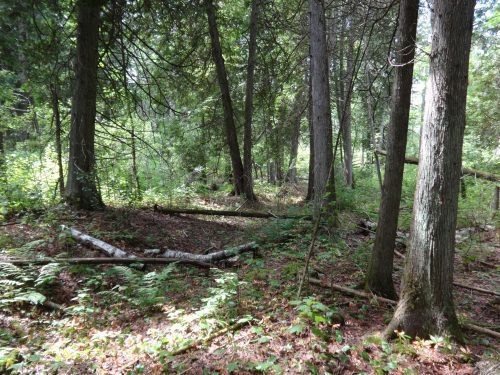
According to 2018 data, 15.5% of Alberta’s boreal forest is protected through parks and conservation areas. The remaining landscape is either privately owned or managed by the government for specific uses. Alberta’s public lands are categorized into two major zones: the White Zone (settled areas) and the Green Zone (forested areas). The Green Zone has vast forested lands, while the White Zone primarily consists of agricultural lands.
Land-Use Management
In 2018, Alberta’s government committed to developing several regional land-use plans to guide the sustainable management of forests and other natural resources. The boreal forest region falls under several frameworks, including the Lower Peace, Upper Peace, Two Athabasca, and segments of the North Saskatchewan plans. These strategies aim to balance development with ecosystem preservation.
Regular meetings and new programs are continually launched by local authorities to protect the forest and its inhabitants. These efforts are critical for ensuring that Alberta’s boreal forest remains a thriving natural resource for generations to come.