

Alberta’s oil sands are located within the Western Canadian Sedimentary Basin, which contains the majority of Canada’s onshore petroleum reserves. These deposits are primarily situated within Alberta and are divided into three geological regions: Peace River, Cold Lake, and Athabasca, with Fort McMurray at the center, as reported by edmonton.name.
A Few Key Statistics
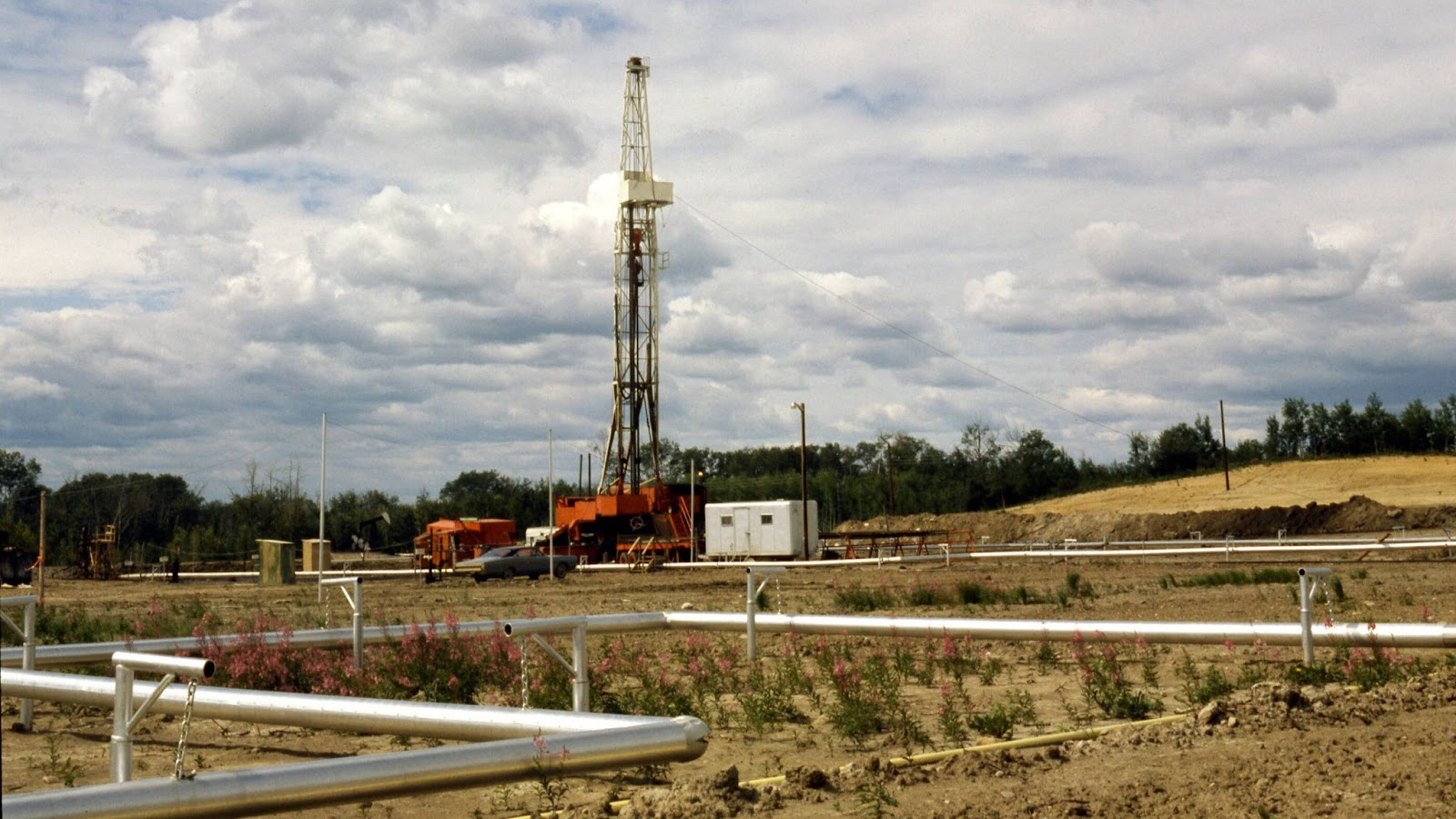
Estimates suggest that Alberta’s oil sands hold approximately 1.8 trillion barrels of oil, though less than 10% can be economically extracted using current technologies. This amounts to around 159 billion barrels of oil—approximately 96% of Canada’s total reserves—placing the country fourth globally, behind Venezuela, Saudi Arabia, and Iran.
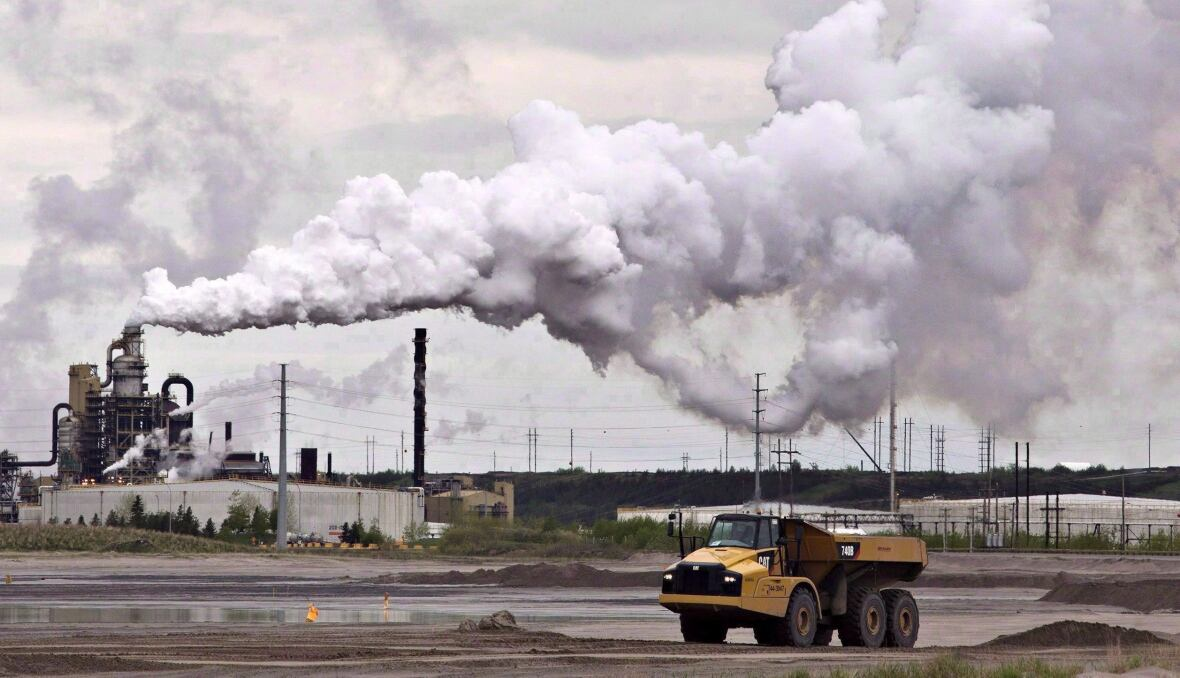
Oil production from Alberta’s oil sands has increased significantly, from 200,000 barrels per day in the early 1980s to over one million in 2004, two million in 2013, and three million barrels per day in 2018. About half of this output is extracted in situ, with minimal surface disturbance, while the rest is mined through traditional open-pit methods.
Early Exploration
The first recorded mention of the oil sands dates back to 1715, when an employee of the Hudson’s Bay Company learned from a Chipewyan woman about a sticky substance found along the banks of the Athabasca River, commonly referred to as “black tar.”
Explorers Peter Pond and Alexander Mackenzie made similar observations in the late 1700s, noting bitumen seeping from the riverbanks, which emitted a coal-like odor when heated. Indigenous communities used bitumen mixed with tree resin to waterproof their canoes.
Several government-funded expeditions took place in the late 1800s. Geologists John Macoun and Robert Bell mapped the Athabasca oil sands, assessing their economic potential.
In the early 1900s, engineer Sidney Ells conducted in-depth studies of the Athabasca River, initiating three decades of research into the oil sands. Later, Dr. Karl Clark refined the hot water extraction process for separating bitumen from sand, laying the groundwork for commercial oil sands development.
The Growth of Oil Production
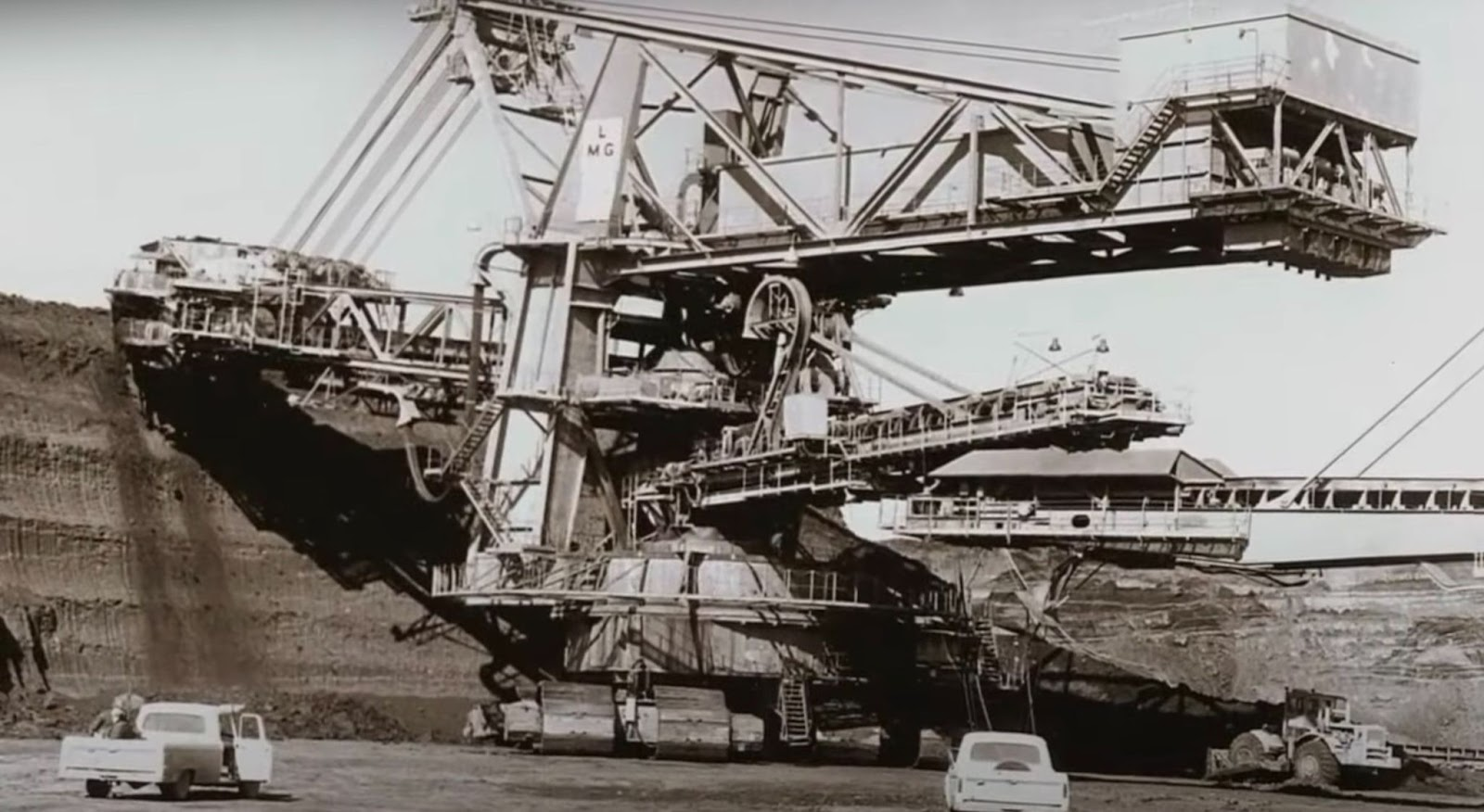
In 1929, Bitumount became Alberta’s first privately owned oil sands extraction plant, built by entrepreneur Robert Fitzsimmons from the town of Peiley. The plant primarily produced asphalt for roofing and road construction.
In 1959, Shell successfully extracted bitumen from Site 13 in the Athabasca region using steam flooding and alkaline solutions. Although the company planned to construct a 100,000-barrel-per-day processing facility, it failed to secure government approval and abandoned the project in 1968.
In 1964, Imperial Oil drilled four wells in the Cold Lake area, testing a process known as cyclic steam stimulation (CSS), pioneered by engineer Roger Butler. This method was derived from the “huff and puff” steam injection technique used in California.
That same year, the Great Canadian Oil Sands company, which later became Suncor Energy, began constructing an oil sands mine and bitumen processing facility north of Fort McMurray. The $250 million project, now known as the Suncor plant, represented the largest private investment in Canadian history at the time.
In 1967, Great Canadian Oil Sands completed its first oil sands mine and processing plant, marking the first large-scale commercial oil sands development.
In 1975, Imperial Oil launched bitumen recovery trials at the Leming pilot site in Cold Lake, employing cyclic steam stimulation. Leming became the first successful oil sands project in the region.
Following five years of construction and government funding, the Syncrude Mildred Lake plant was commissioned in the fall of 1978. It became the second commercial oil sands project in the Fort McMurray region. In its first year, the Base Mine and Mildred Lake facility produced one million barrels of oil.
In 1985, Imperial Oil brought the first CSS-based oil sands extraction facility into commercial operation. The following year, Shell began production at the Peace River site using a similar method. With assistance from Roger Butler, the Alberta government established an underground test site west of Syncrude in 1987.
The 1990s saw several small-scale pilot projects, including Primrose (1993), Foster Creek (1997), Surmont (1997), and the Hangingstone Demo Plant (1999).
In 2002, Shell, in partnership with Chevron and Western Oil Sands, completed the Athabasca Oil Sands Project (AOSP), the largest facility built near the oil sands. The AOSP included the Muskeg River Mine and the Scotford upgrader, constructed 400 kilometers from Edmonton. Scotford became the first and only bitumen processing plant separate from a mining operation. Within a few years, oil sands production reached one million barrels per day.
In 2009, Canadian Natural Resources launched the Horizon mine and upgrading facility, bringing total oil sands production to 1.5 million barrels per day.
By 2013, Imperial Oil began operations at the Kearl oil sands project, implementing a new technology to produce lighter, cleaner bitumen. By 2022, combined oil sands output from mining and in situ operations hit a record 3.3 million barrels per day, with production evenly split between both extraction methods.