

Edmonton, like other Canadian cities, is committed to sustainable development. The city administration has developed numerous programs aimed at improving the environment and advancing urban development. Below, we explore various environmental initiatives in Edmonton and its surrounding areas. Learn more at edmonton.name.
Reducing Energy Consumption and Greenhouse Gas Emissions in Blatchford
The Blatchford district operates entirely on renewable energy, striving for net-zero carbon emissions while promoting a sustainable lifestyle. Built on a 536-acre site of the former municipal airport in central Edmonton, this community integrates innovative systems to achieve environmental, social, and economic benefits.
The main goal of the Blatchford project is to create a community with zero carbon emissions, relying solely on renewable energy. The district’s energy distribution system is designed to reduce overall energy consumption by 15-20% once fully developed. Greenhouse gas emissions from buildings are expected to be 75% lower than in other areas, saving approximately 30,000 tonnes of greenhouse gases annually upon full completion. The project is also projected to generate over $200 million in economic benefits, which will be reinvested in Edmonton.
A Multifunctional Community Focused on Improvement
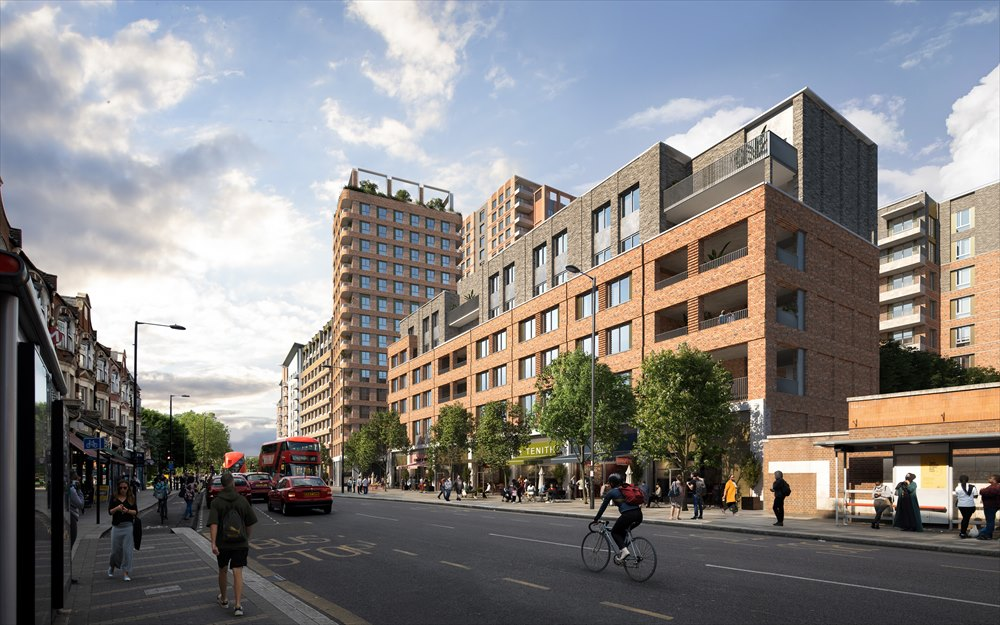
Blatchford aligns with Edmonton’s strategy to combat climate change and reduce greenhouse gas emissions. The district’s land-use planning incorporates public spaces, cycling and pedestrian pathways, as well as facilities for work, education, and commerce, contributing to its economic sustainability. The project anticipates a positive net revenue upon completion.
Sustainability principles are deeply embedded in Blatchford’s design. Buildings feature high-efficiency envelopes and energy systems, significantly reducing energy use for heating, cooling, and hot water supply. An efficient district energy system utilizes renewable sources to provide environmentally friendly heating solutions. The district also employs natural water management methods such as bioswales, rain gardens, and stormwater ponds, enhancing biodiversity and green spaces for residents.
Oil Capital and Sustainable Development
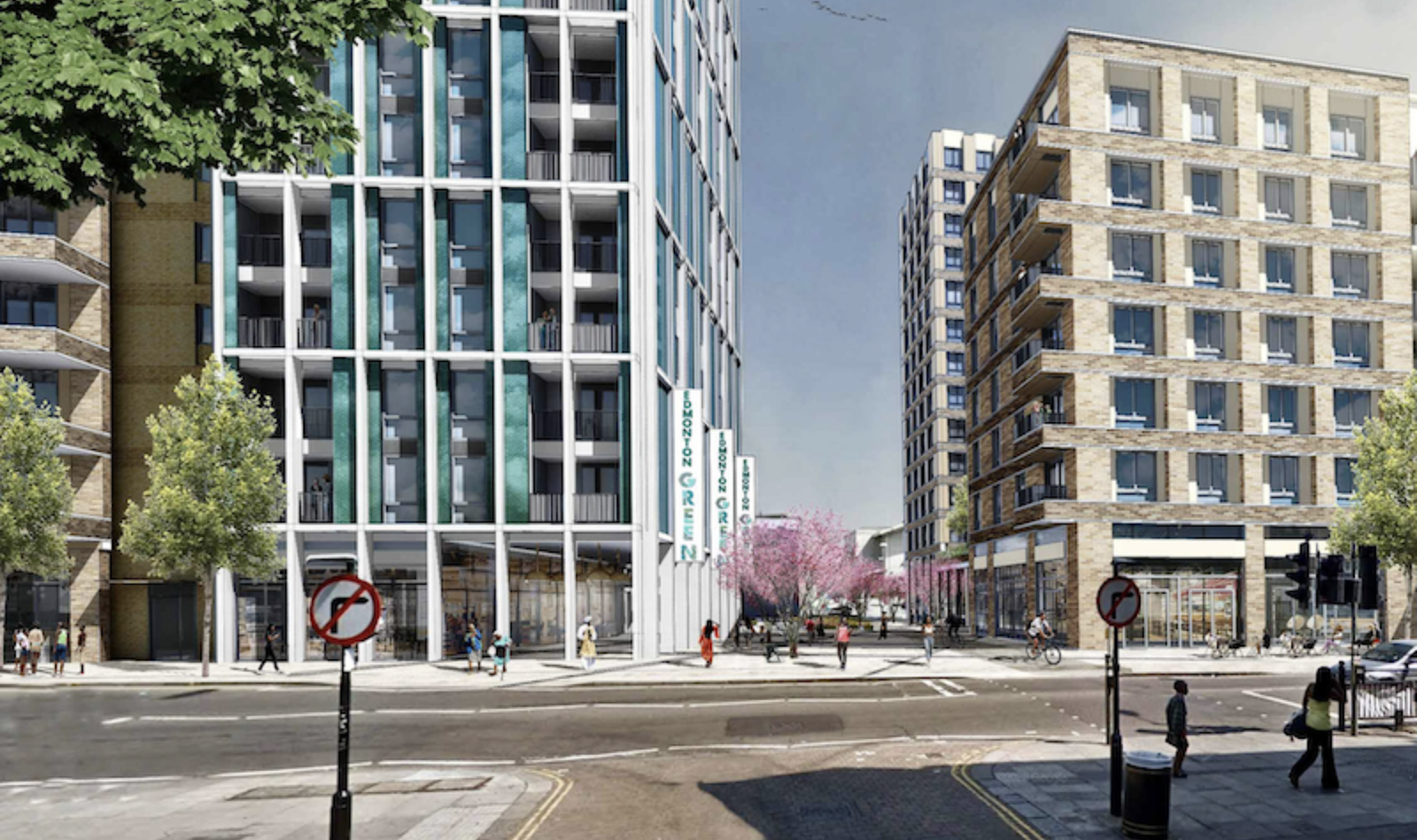
In 2014, Edmonton initiated a “green development” approach with a vision for a carbon-neutral future. The city’s environmental strategic plan, The Way We Green, includes initiatives to improve energy efficiency, reduce emissions, and save money while expanding renewable energy use. Edmonton’s greenhouse gas management plan aims to cut emissions from municipal operations by 2020.
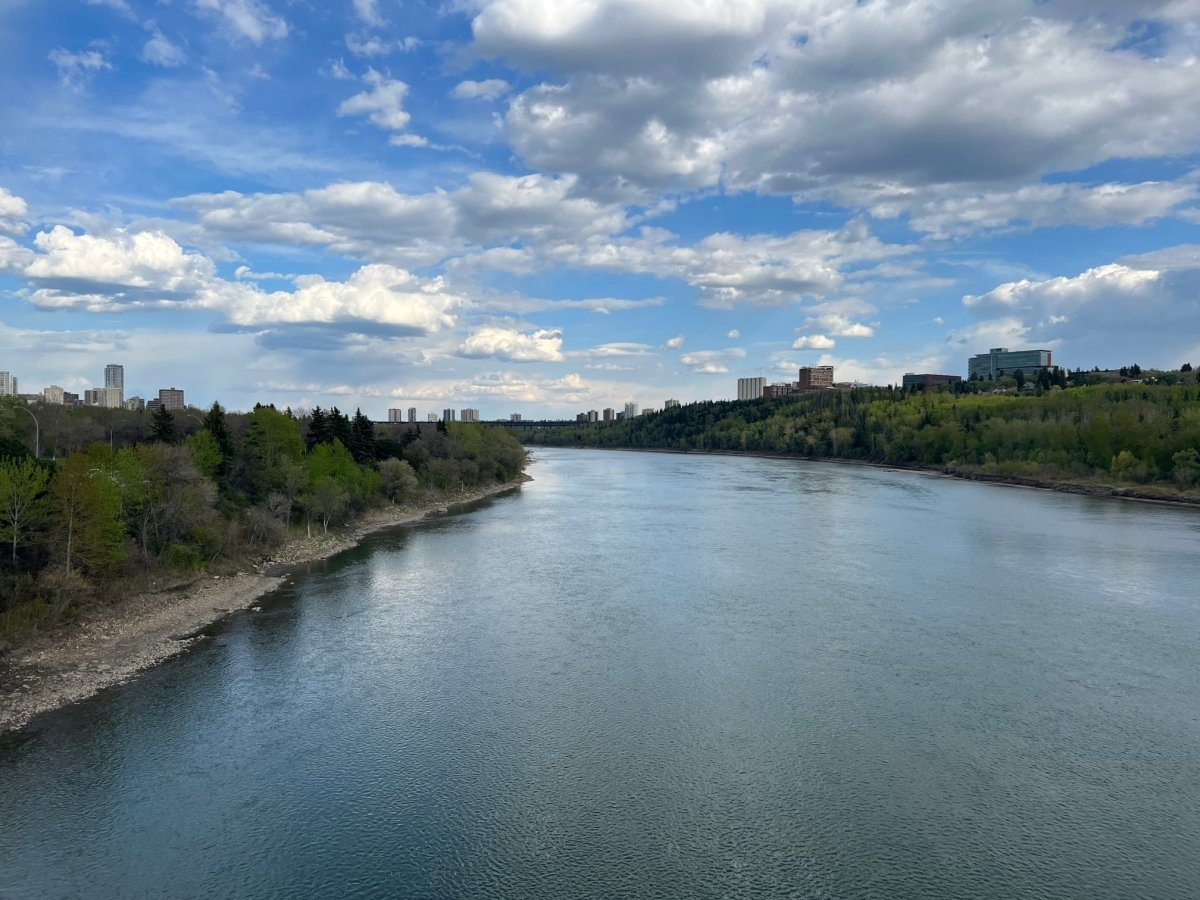
As Alberta’s economic hub and a central point for Canada’s oil and gas industry, Edmonton is situated near one of the world’s largest deposits of oil, natural gas, and oil sands. The city also boasts a thriving biotechnology sector, a growing high-tech industry, and a strong environmental conservation ethos. It is home to the North Saskatchewan River Valley and the largest urban linear park in North America.
Edmonton employs innovative approaches to protecting and managing urban biodiversity, integrating eco-friendly design into new developments. The city’s environmental strategy prioritizes the conservation of natural areas as an interconnected system, serving as a leading international model for urban biodiversity management. These efforts are supported by an active local environmental community, which influences the city’s progressive green policies.
Edmonton has implemented composting programs, landfill gas collection, energy-efficient retrofitting, LEED Silver-certified municipal buildings, light rail transit expansion, green electricity procurement, and fleet greening initiatives. However, most of the city’s energy still comes from fossil fuels, and greenhouse gas emissions have not significantly decreased since the early 1990s.
Environmental Conservation
In 2009, Edmonton developed The Way Ahead, a long-term vision for city development until 2040, with input from residents and various stakeholders.
A key component of this vision is The Way We Green, a comprehensive action plan aimed at achieving carbon neutrality by 2040 across municipal operations and the broader community. This plan addresses sustainability, resilience, energy and climate change, waste management, and more. Its “Energy and Climate” section calls for a 50% reduction in greenhouse gas emissions from city operations by 2020 compared to 2008 levels, with detailed proposals for achieving these goals.
The city’s greenhouse gas management program outlines strategies to achieve this 50% reduction. Edmonton has begun procuring affordable renewable energy and upgrading 3% of its municipal building stock annually to improve energy efficiency. New construction standards have also been enhanced to increase energy efficiency by 50%. By 2017, Edmonton had rapidly transitioned its street lighting to new energy-saving technologies. Greenhouse gas emissions from decommissioned landfills and composting programs have decreased due to improved energy efficiency measures. The city’s sustainable fleet management plan has helped green municipal transport, introducing biofuels and hybrid vehicles. Long-term reforestation efforts are projected to further reduce emissions by 2090.
Renewable Energy Task Force
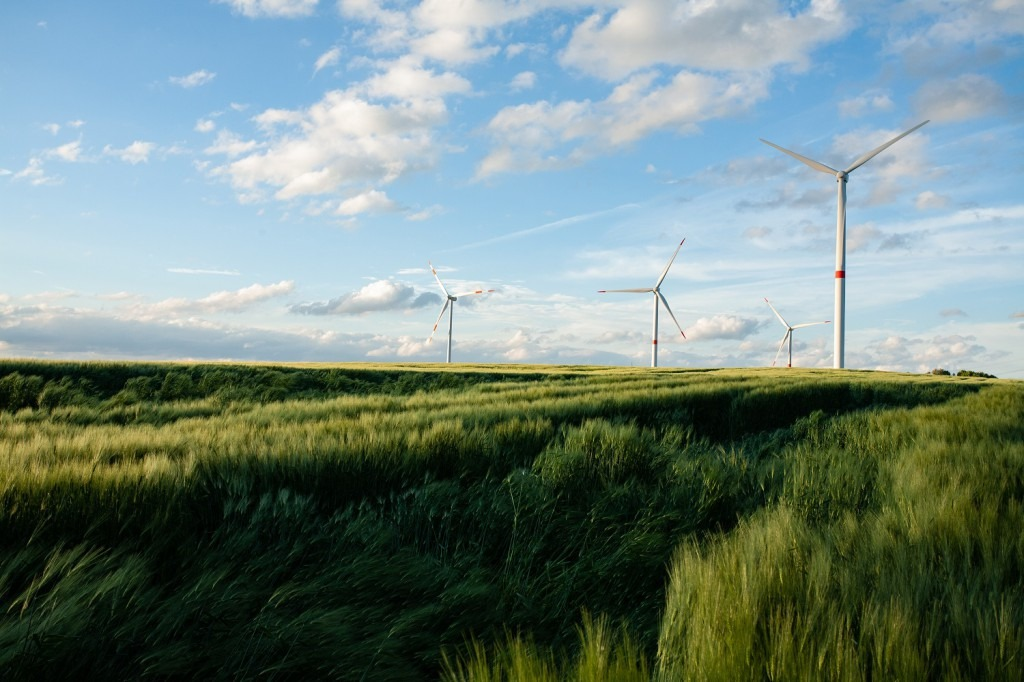
For a long time, Edmonton did not actively pursue renewable energy development. However, strategic planning has laid the groundwork for setting goals and formalizing actions. The city established a Renewable Energy Task Force, comprising local experts from various industries, to recommend measures for accelerating the adoption of renewable energy technologies. A 2012 report proposed actions such as installing renewable energy systems in municipal buildings, removing legislative barriers, and implementing energy source labeling for buildings.
Edmonton’s commitment to sustainability is exemplified by its Waste Management Centre of Excellence, the largest facility of its kind in North America. The centre has helped the city achieve a 60% waste diversion rate and move toward zero-waste production. It includes an electronics recycling facility, landfill gas recovery operations, construction material reclamation, and recycled paper production. These initiatives are key steps toward ensuring Edmonton’s sustainable future.