

When the first cold snap hits, heating homes and apartments is a must for residents of Edmonton and across Alberta. Few people stop to consider the mechanics of how homes are actually heated—where the energy comes from and how the process is regulated. Whether you’re settling in for a cozy evening by the fire or firing up the furnace, let’s take a closer look at how Alberta’s heating system works, here on edmonton.name.
Primary Heating Sources in Alberta
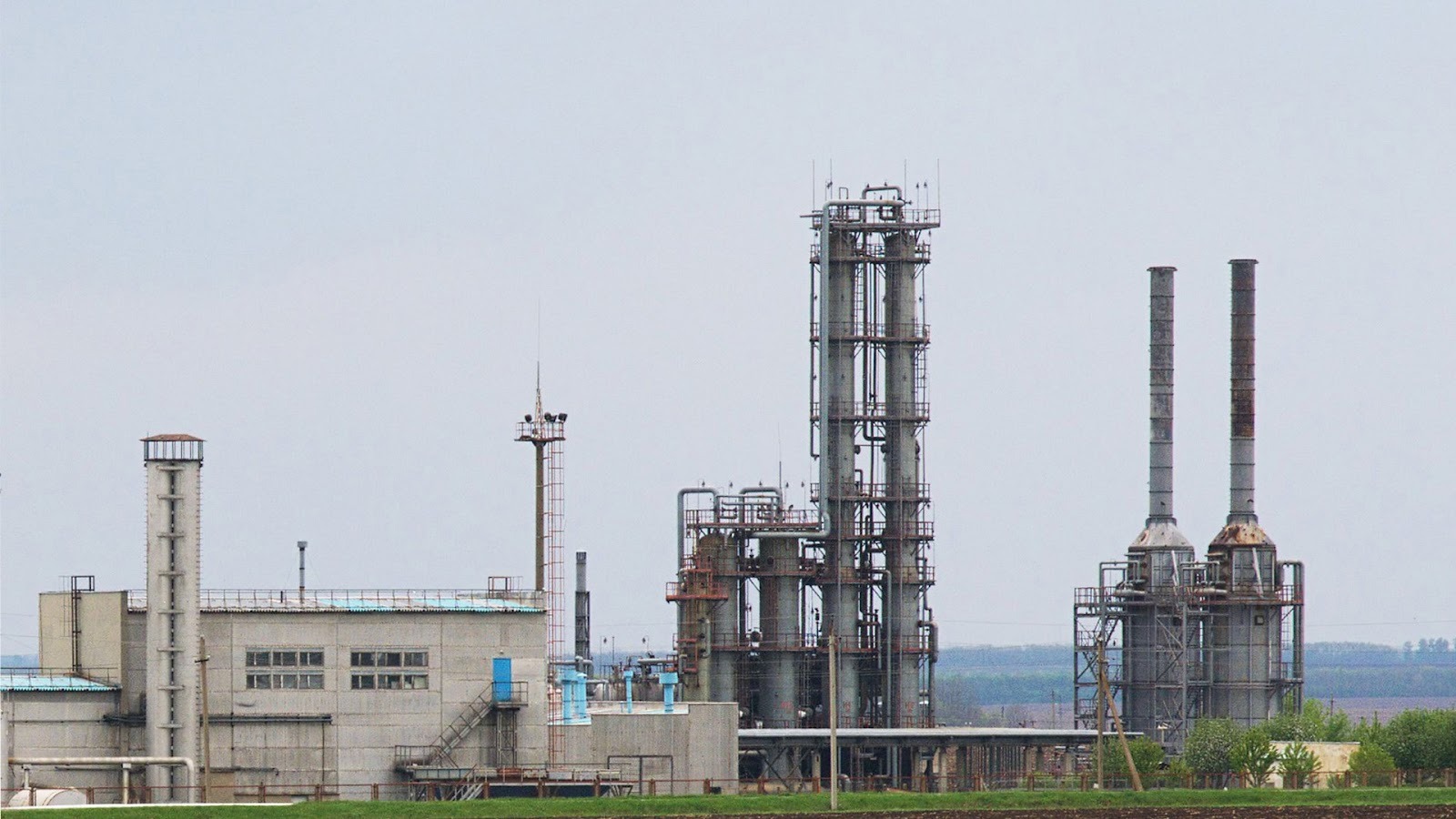
There are a few ways Albertans keep their homes warm, each with its own advantages:
- Natural Gas is the most popular heating method, powering the furnaces in the majority of homes across the province. Alberta is rich in natural gas reserves, which makes this option both efficient and affordable. Gas furnaces are known for their reliability and ability to quickly warm up houses, even during the coldest months.
- Electric Heating. Some detached houses or apartment buildings use electric baseboard heaters or electric furnaces. While electricity can be pricier than natural gas for heating, it provides a stable and low-maintenance solution for homes without access to natural gas lines.
- Wood Stoves or Fireplaces. In rural and remote areas, some homes rely on wood-burning stoves or fireplaces for heat. Although less common in the cities, wood heat is popular in cabins and farmhouses where firewood is readily available. This traditional, environmentally friendly way to stay warm is often used as a backup or supplemental heat source.
- Propane. For homes in rural areas not connected to natural gas service, propane is a common alternative. Propane heating systems operate similarly to natural gas furnaces, providing effective heat for homes and cottages.
Where Does the Energy Come From?
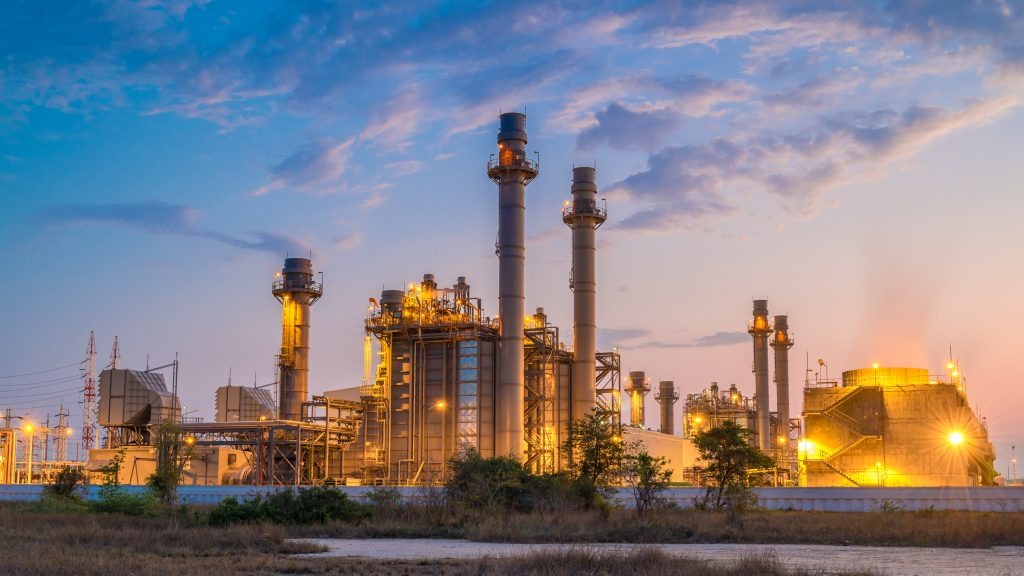
The energy that heats homes comes from various sources across the province. Alberta is one of Canada’s largest producers of natural gas, meaning a significant portion of the fuel used to heat homes is produced locally. The province’s vast gas reserves make it an accessible and economical energy source for residential heating.
If your home uses electric heating, the energy likely comes from a mixed supply that includes natural gas, wind, hydro, and even coal. Alberta’s energy mix is becoming increasingly renewable as wind and solar power expand, but fossil fuels still play a major role in generating the electricity that warms our homes.
Propane is derived during the processing of natural gas and crude oil. It is both produced and exported right here in Alberta.
Regulating Residential Heating
Residential heating services in Alberta are carefully regulated to ensure safety, reliability, and fair pricing.
The Alberta Utilities Commission (AUC) provides rigorous oversight and regulation of natural gas utility services, ensuring consumer tariffs are fair. Additionally, the AUC is responsible for the quality and safety of natural gas services to protect homeowners’ interests.
Similarly, electricity services are also regulated by the AUC. Propane is overseen by the Canadian Propane Association (CPA), which provides safety guidelines. Wood-burning systems are not subject to direct utility regulation, though specific provincial building codes and safety standards apply to their installation and use.
The Drive for Energy Efficiency
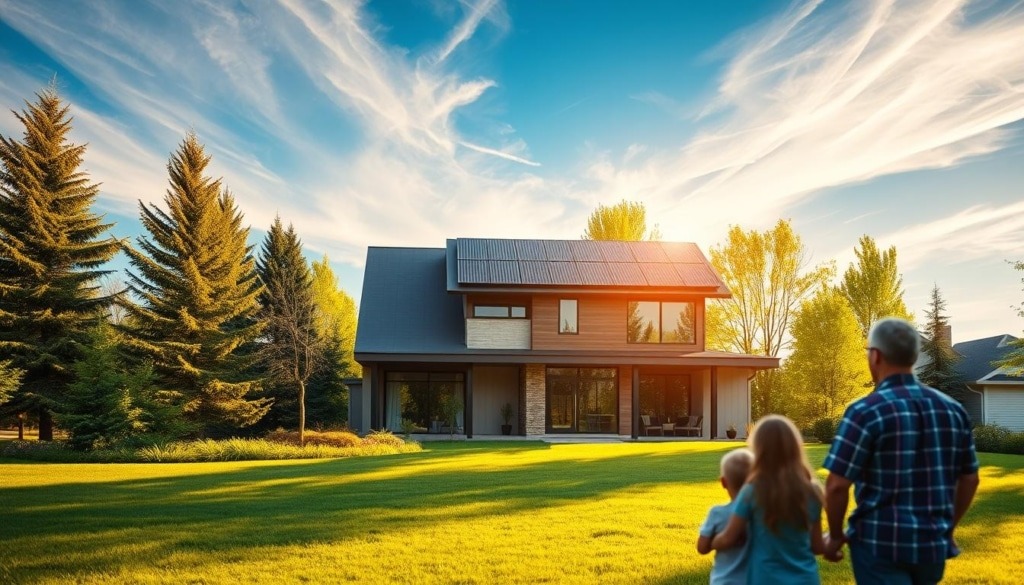
Energy efficiency is key to lowering heating costs and reducing the environmental impact of home heating. Albertans have access to programs that encourage greener heating options. Switching to high-efficiency natural gas or electric furnaces can save homeowners money on their monthly heating bills. Newer models consume significantly less fuel to produce the same amount of heat, which is a win for both your wallet and the environment.
Insulation is also crucial for energy efficiency. A well-insulated house retains heat better, meaning your heating system doesn’t have to work as hard to maintain a comfortable indoor temperature. Some Albertans are installing renewable heating sources like heat pumps, which extract energy from the outside air, heat it, and then deliver it into the home. While less common, these renewable systems are gaining popularity in off-grid and environmentally conscious households.
When it comes to keeping homes warm, Alberta offers a variety of energy sources and systems to get residents through those long winters. Whether you rely on natural gas, electricity, or wood fireplaces, understanding where your heat comes from and how it’s regulated can help you make informed decisions about your energy use and efficiency.