

The city of Beverly was once among Alberta’s most prominent coal-mining hubs. The Humberstone Mine, operating near today’s Rundle Park Golf Course, was the largest coal mine in Beverly. Over its 13 years of operation, nearly one million tonnes of coal were extracted from the ground. The mine provided employment to many people and significantly contributed to the city’s development. Although it eventually closed, it remains a historic landmark and a popular site for educational tours. Read more about it on edmonton.name.
Beverly’s Coal Industry: A Historical Overview
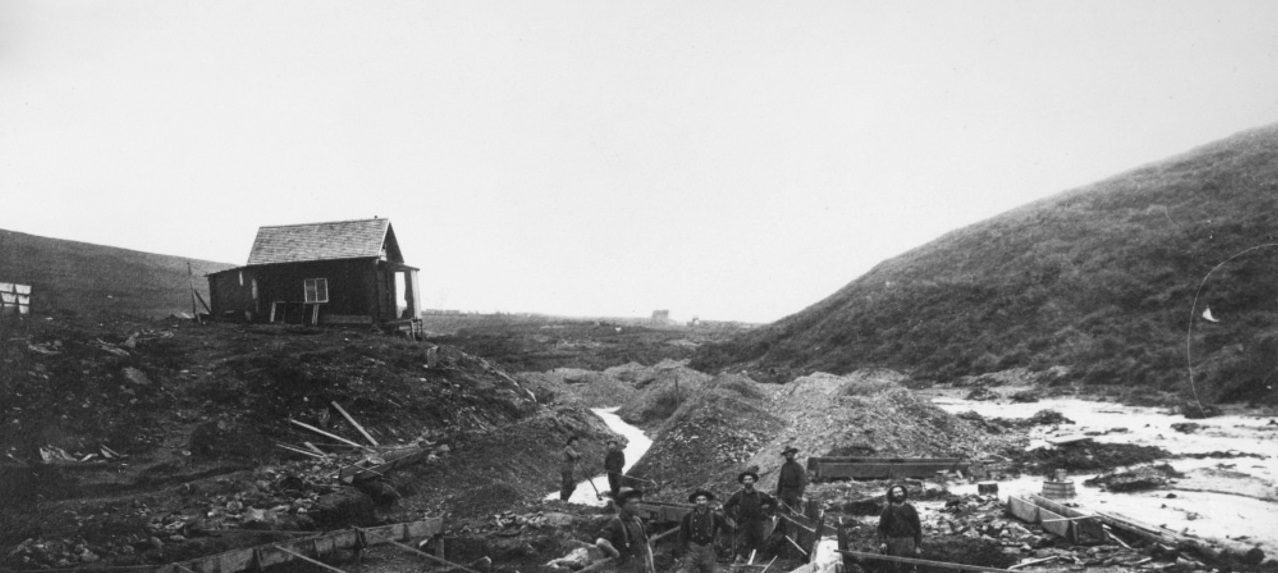
At the beginning of the 20th century, Alberta was one of Canada’s leading coal producers, with multiple deposits located around Edmonton. The largest was the Clover Bar seam, situated beneath the Beverly area in northeast Edmonton. This deposit supplied over 95% of Edmonton’s coal.
Coal was first mined in Edmonton in 1789, and regular mining began in the 1880s. Small-scale mines were dug directly into the North Saskatchewan River banks, where coal seams were visibly exposed. These mines were commonly referred to as “gopher holes”.
By 1880, all commercial mines had ceased operations, but Edmonton had already registered 153 mines. The total mining area covered 3,260 acres, producing a cumulative 15 million tonnes of coal. Coal mining had a significant impact on the region’s economy.
Coal mining in Alberta was seasonal. While numerous mines operated, they rarely worked at full capacity due to fluctuating demand. Winter mining was particularly challenging but profitable, as cold weather increased coal demand, driving up prices. Organizations attempted to encourage people to buy coal during summer when it was cheaper, but this practice failed to gain traction.
By 1914, coal mining had become a major industry, employing over 8,000 workers across Alberta. Edmonton’s coal had high moisture and ash content, classifying it as domestic coal, primarily used for heating homes in Alberta, though some of it was exported to other provinces.
Beverly: A Coal-Mining Town
Legend has it that Beverly’s first settlers chose the area due to its abundant coal seams. People from Germany, Scotland, and other countries migrated to the town. Initially classified as a village, Beverly was officially incorporated as a town in 1914 with a population of 1,000 residents, a single school, a church, and a few shops. Among the first merchants were Dan and Anastasia Danilovich, Ukrainian immigrants who opened Beverly’s first store.
By 1950, the town had over 500 registered mines, although the actual number was likely higher due to unregistered small-scale operations. Coal mining was the town’s primary employer and played a central role in the community’s growth. Even local officials often worked in the mining industry.
Some notable figures included:
- Robert Walker: Former mayor of Beverly, who worked as a miner, driver, and elevator operator at Beverly’s coal mine.
- Robert Hay: A dedicated union organizer who spent half his life working in the mines.
- Bradley Simpson: Initially trained as a carpenter but later became a coal miner as Beverly’s coal industry expanded.
Coal Mining’s Impact on the Community
The coal industry in Beverly thrived as many residents joined the workforce. Locals often remarked that working in the newer mines was far more manageable due to the availability of modern equipment and improved working conditions.
Beverly’s legacy as a coal-mining town highlights the pivotal role of natural resource extraction in shaping Alberta’s economy and communities. The memories of its mines, workers, and industrial advancements continue to be a significant part of its history.