

Gardening in Edmonton has deep roots, stretching back to the fur trade era and the very first settlements along the North Saskatchewan River. Thanks to fertile, moisture-rich alluvial soils packed with sand and essential minerals, the region became a natural hotspot for growing gardens and crops. Early homesteaders planted small plots along the river valleys, leveraging local natural resources to build thriving farms. Over time, backyard gardening in Edmonton evolved into a cornerstone of the city’s culture and landscape. To learn more about the history, growth, and unique aspects of Edmonton’s gardening scene, visit edmonton.name.
Edmonton’s Pioneer Gardens
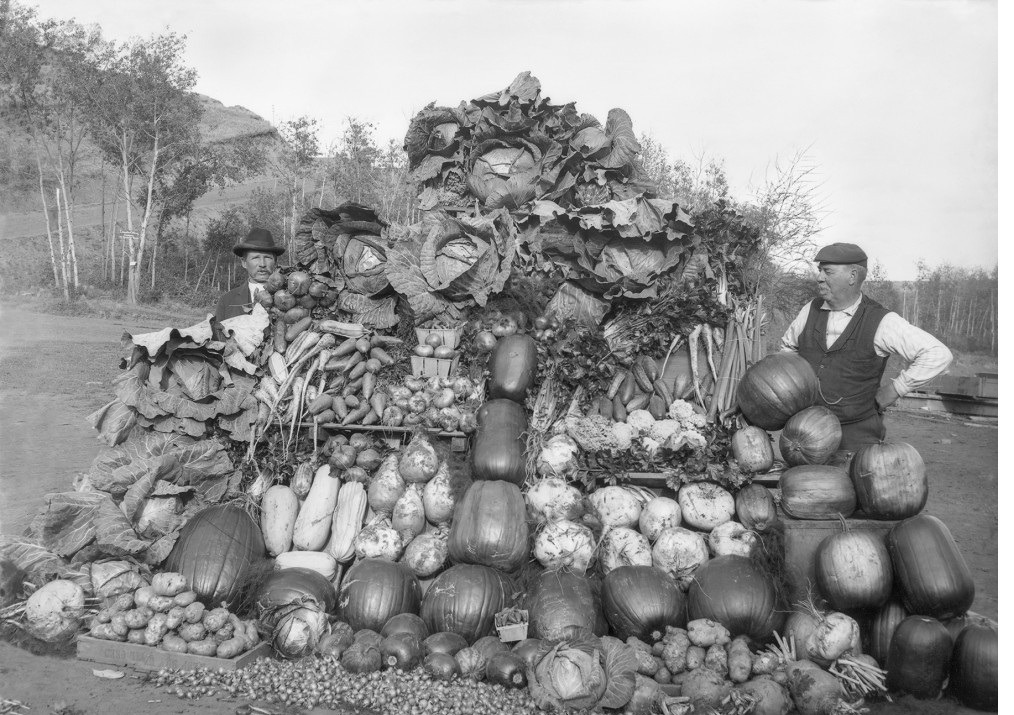
By the 1870s, Hudson’s Bay Company (HBC) lessee Donald Ross had built a massive greenhouse near what is now Diamond Park. He and his wife, Olive, were passionate gardeners, consistently sweeping local agricultural fairs and taking home top prizes for their impressive harvests. Eventually, the Ross family estate was subdivided into standard city blocks.
Sprawling gardens also dotted the North Saskatchewan River Valley and the surrounding cliffs. To the east, on River Lot 42, lived another prominent horticultural pioneer, Beata Humberstone. She was married to coal magnate William Humberstone, whose mines fueled the HBC fort for years. Beata’s gardens fed local families, newcomers, and miners alike. Her 200 acres of fertile land were eventually taken over by the Prince family, who shared a similar passion for cultivation. In fact, they were the ones who first introduced cauliflower to Edmontonians.
As urban land changed hands, passing to new families and modern businesses, these massive gardens made way for roads and standard housing lots. In 1909, a group of passionate amateurs founded the Edmonton Horticultural Society. This dedicated group of men and women united to promote flower, fruit, and vegetable growing across the city, while also championing the greening of vacant lots. These efforts laid the groundwork for the river city we know today.
During the First World War, the government actively encouraged residents to grow backyard vegetables to support the nation’s food supply. Home gardening pamphlets were printed and distributed to local households. Backyard plots successfully curbed the demand for commercial produce, ensuring Canadian troops had enough rations. By the time the war ended, home gardening in Edmonton had become a well-established tradition.
How Edmonton’s Climate Shaped Gardening and Inspired Cold-Hardy Varieties
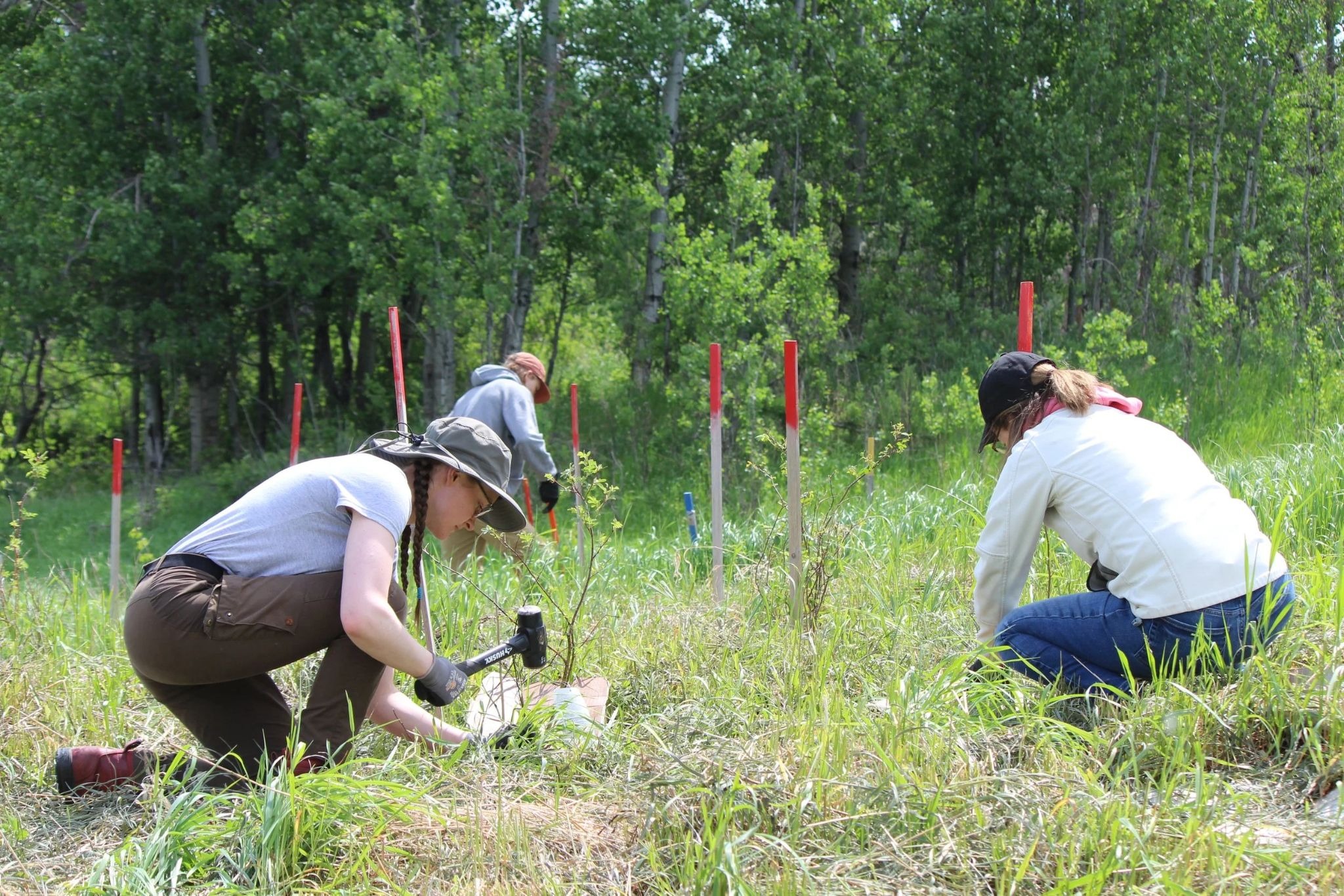
Just over a century ago, local residents couldn’t grow apple trees or other fruit crops due to the unforgiving winter conditions. Yet, modern Edmonton boasts such an abundance of fruit trees that non-profit organizations like Fruits of Sherbrook and Operation Fruit Rescue Edmonton (OFRE) partner with locals to rescue unharvested produce.
Renowned local growers have made lasting contributions to horticulture. Georges Bugnet became world-famous for developing cold-hardy rose varieties. Meanwhile, Robert Simonet made a name for himself by breeding hardy petunias, roses, apples, apricots, strawberries, and corn varieties. Many of the plants we enjoy today are the results of these backyard experiments, driven by passionate hobbyists.
Historian Kathryn Chase Merrett highlights Edmonton’s rich gardening legacy, noting how it has always been defined by experimentation, selective breeding, and pushing boundaries.
Merrett believes immigration has played a massive role in this evolution. For many Edmontonians, their roots here go back only a few generations, and immigrants have always brought their own unique gardening techniques with them. For instance, in the McCauley neighbourhood, Italian immigrants have successfully experimented with growing Mediterranean grape varieties.
This cultural influx has fostered a rich diversity of plants and practices. Over time, the techniques and varieties that withstand the elements take root and become a natural part of the local landscape.
Of course, Edmonton’s climate remains the ultimate gatekeeper for plant growth. To survive, perennials must endure wild temperature swings ranging from +35°C to -35°C. While this harsh climate acts as a strict filter, it also serves as a metaphorical anvil where resilient new plant varieties are forged. The unique combination of immigration-driven biodiversity and a demanding climate makes Edmonton the perfect incubator for discovering cold-hardy plants.
Urban Orchards, Plant Breeding, and Modern Gardening in Edmonton
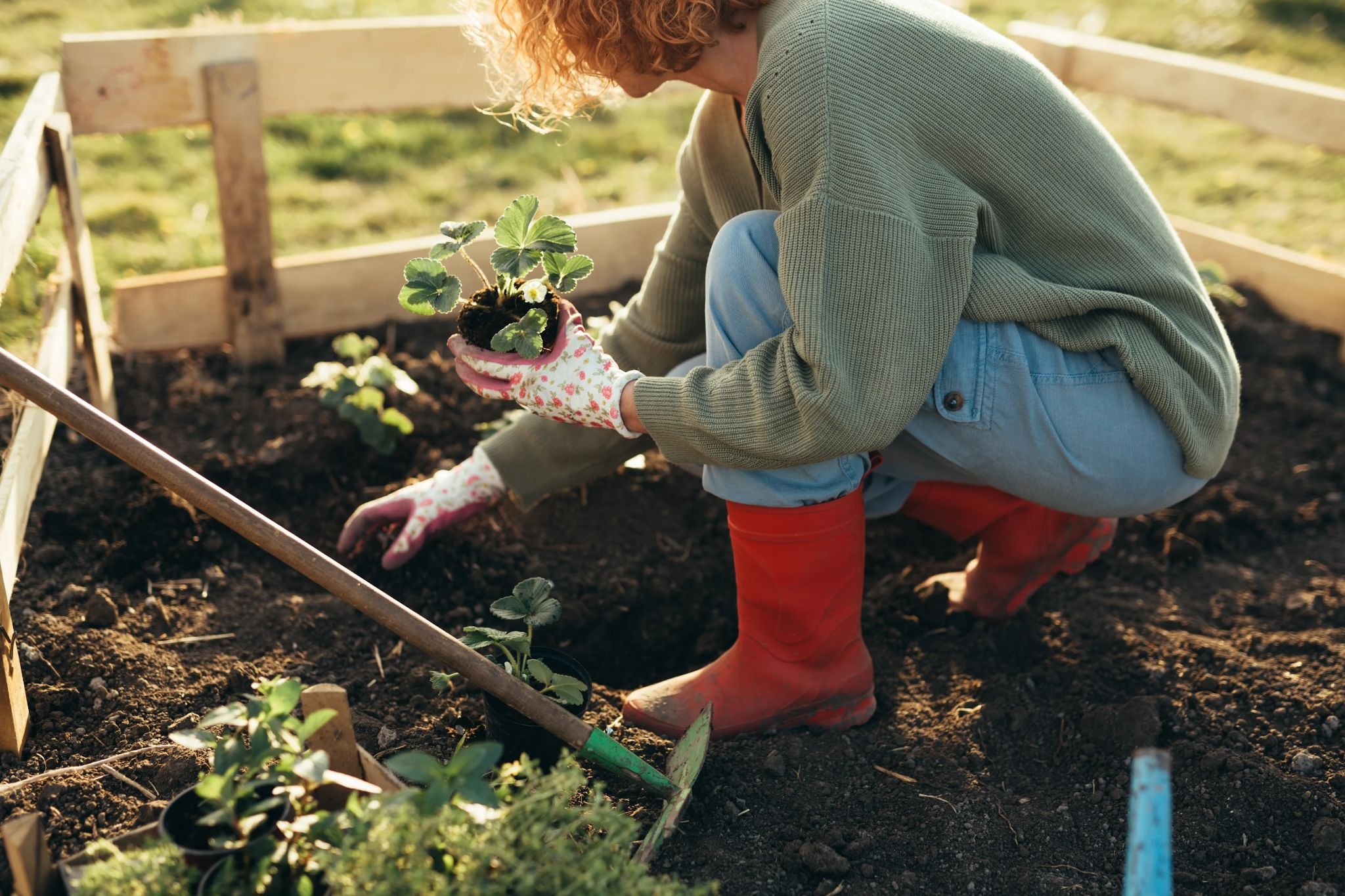
Even though the past century has yielded a vast number of cold-hardy apple varieties, the spirit of experimentation is still going strong. Today, members of the DBG Fruit Growers group test and cultivate thousands of fruit and nut tree varieties in their Edmonton orchards. Every spring and fall, they gather to swap cuttings and celebrate at local fruit festivals.
Gardeners are practical optimists, always searching for new crops to try and innovative ways to extend the short growing season. As long as Edmonton has passionate growers, urban agriculture will keep evolving. Facing the modern challenge of climate change, this legacy of horticultural innovation will be crucial for building community resilience and adaptation.
Paradoxically, as Edmonton’s gardens become more diverse and techniques grow more sophisticated, the core philosophy remains unchanged. To nurture gardens in a changing climate, local growers are adopting holistic management practices, fully embracing their role as active participants in the local ecosystem.