

Edmonton has been home to many individuals who have significantly contributed to environmental preservation. One such figure is David Schindler, a globally recognized scientist devoted to protecting Canada’s water resources and natural ecosystems. His groundbreaking research on the effects of chemicals, pollutants, and climate change on the environment prompted governments and communities to take critical action. Learn more about his impactful work and legacy on edmonton.name.
Early Life
David Schindler was born in August 1940 in North Dakota and raised near Barnesville, Minnesota. From an early age, he demonstrated exceptional talent and a love for nature. He grew up on a large family farm, helping with chores and excelling in school and sports. Weekend trips to lakes with his family were a highlight of his childhood. In interviews, David often fondly recalled long hours spent on a tractor or sitting by his favorite lakeshore.
His early affinity for lakes was nurtured by his father and uncle, who taught him to fish, and by a high school teacher who instilled a passion for discovery.
After high school, Schindler enrolled at Oxford University, where he began formulating ideas about studying water and its ecological significance.
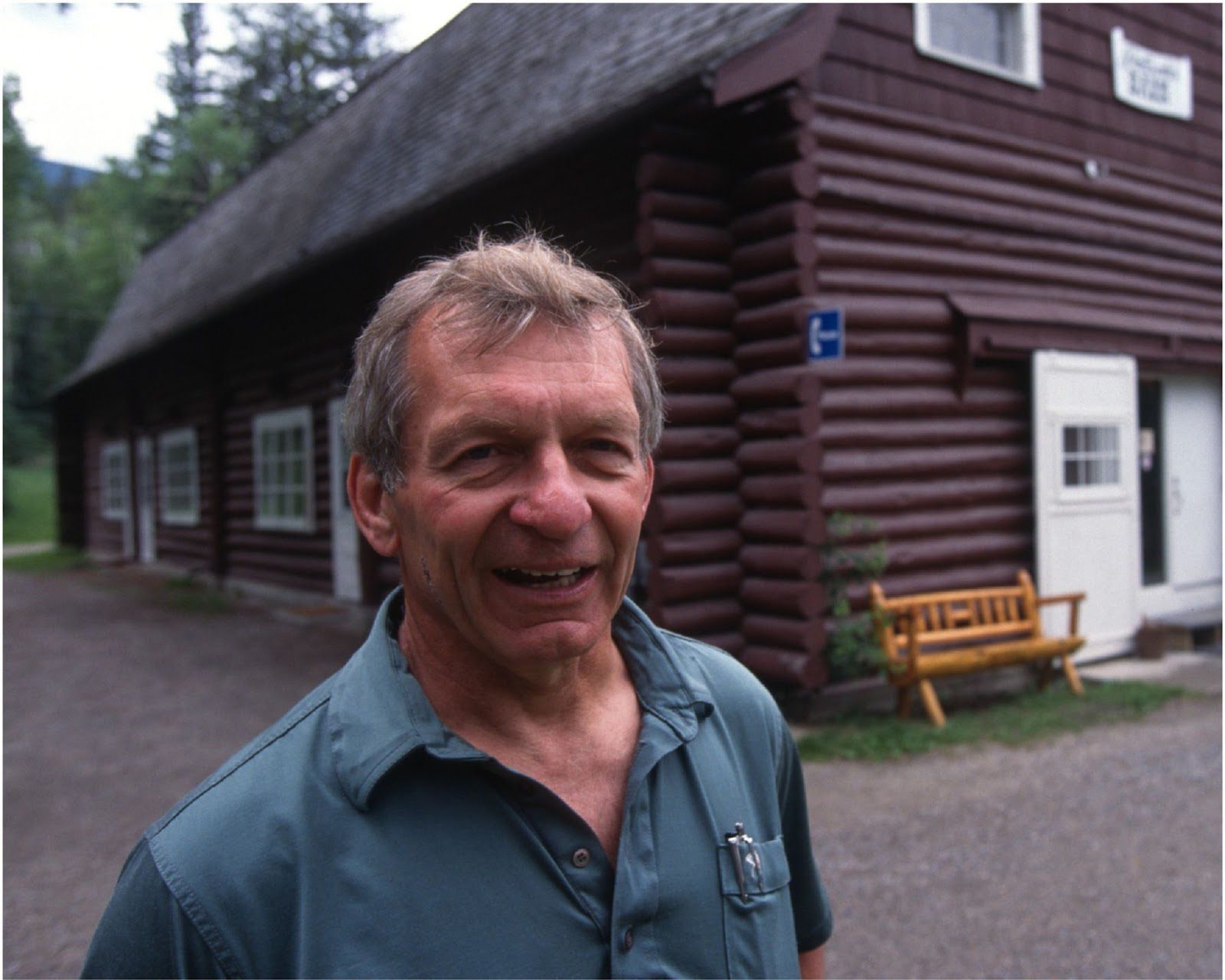
Academic and Scientific Achievements
In 1966, Schindler earned his PhD and joined the faculty at Trent University in Ontario. In 1968, he launched the Experimental Lakes Project under Canada’s Department of Fisheries and Oceans. Through this initiative, he conducted large-scale experiments that revealed profound changes in Canada’s freshwater lakes.
His research highlighted the destruction of the Great Lakes and other freshwater resources due to pollutants like phosphate-based detergents and fertilizers. Despite resistance from various quarters, Schindler’s work led to critical water management reforms across Canada.
Schindler also pioneered research into the effects of acid rain and climate change on ecosystems, solidifying his status as a leading environmental scientist.
Transition to Alberta
In 1989, Schindler left the Experimental Lakes Area to embark on a new chapter. Seeking a location that would support their mutual research goals, David and his wife Suzanne found their ideal setting near Edmonton. Suzanne joined the University of Alberta’s Department of Biological Sciences, while David became the Killam Memorial Chair in Ecology. They settled on a farm near Wildwood, close to Edmonton.
At the University of Alberta, Schindler studied freshwater scarcity and climate change impacts on Canada’s alpine and northern ecosystems. As a mentor, he encouraged his graduate students to adopt a rigorous, socially beneficial approach to environmental science.
Recognition and Legacy
Schindler received numerous prestigious awards, including the Stockholm Water Prize, the International Ecology Prize, and the Taylor Gold Medal. His work earned him multiple national science and engineering honors, and he was recognized as a leader by international and Canadian organizations. In 2018, Trent University established a professorship in his name to honor his contributions to ecology and aquatic sciences.
David Schindler passed away in 2021, leaving a profound legacy of scientific knowledge, impactful research, and inspired students who carry forward his mission.