

Frequent adverse weather and climate phenomena make Edmonton one of the most dangerous cities in Canada. Why do these disasters occur, and how can they be mitigated? Let’s explore the details on edmonton.name.
Geographical Features of Edmonton
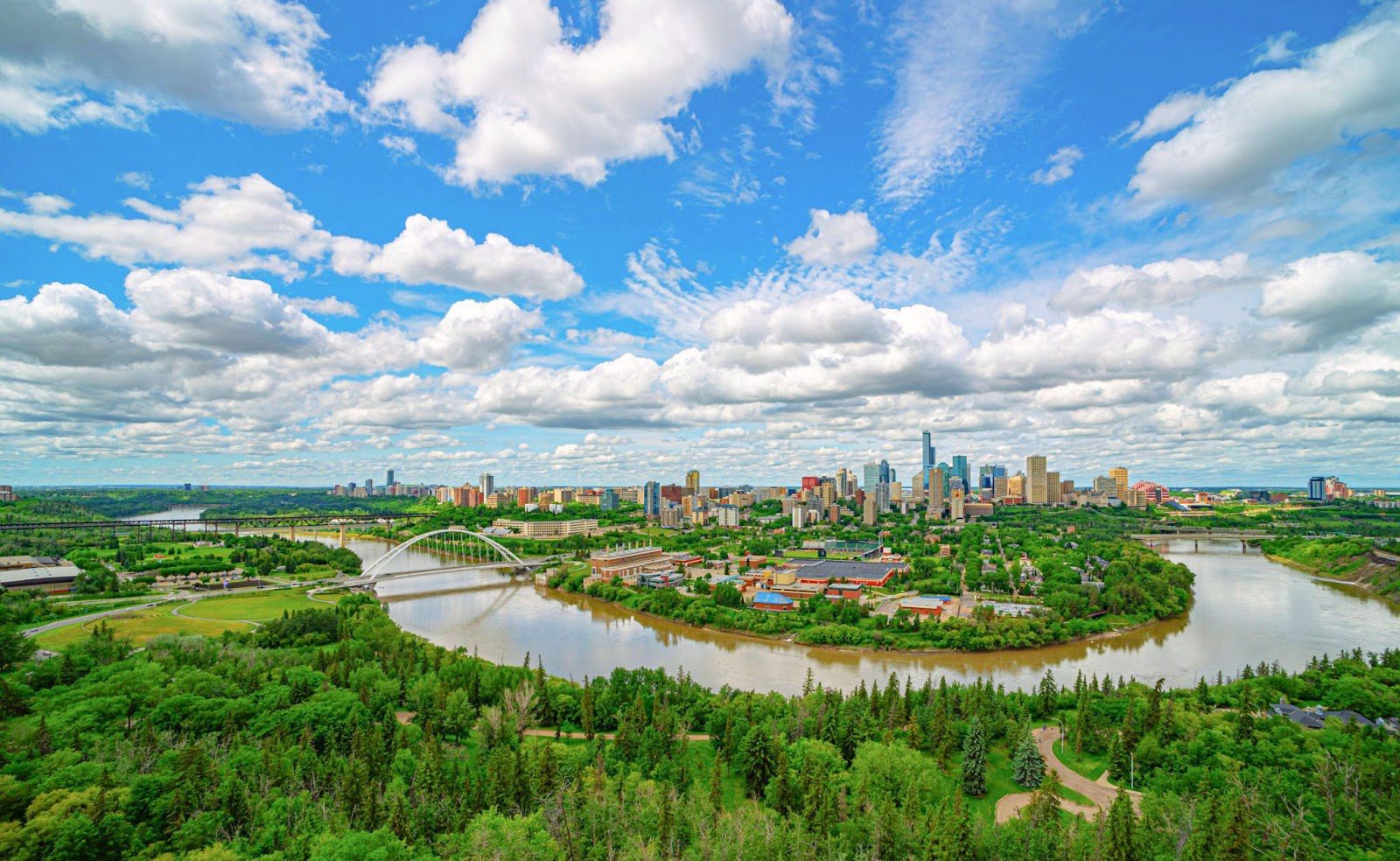
Edmonton, the capital of Alberta, is located at 53.5°N latitude and 113.5°W longitude, along the North Saskatchewan River. Situated in the geological heart of Alberta, it operates in the Mountain Time Zone, which is seven hours behind Coordinated Universal Time. As of 2019, Edmonton had a population of 972,223, making it one of the top five most populous Canadian cities. However, frequent natural disasters have made it the second deadliest city in terms of disaster-related fatalities.
Edmonton’s dry and unstable climate significantly increases the risk of natural disasters. Geographically, it lies in a plains region, part of the Canadian Prairies characterized by flat terrain, slight hills, and expansive grasslands. The city’s elevation ranges from 790 meters to 603 meters above sea level. Edmonton’s geological base consists of sedimentary layers atop bedrock, containing pre-glacial sands, gravels, coal, and lake sediments.
Common Natural Disasters in Edmonton

Edmonton experiences a range of natural disasters, including tornadoes, landslides, droughts, wildfires, floods, and storms. These events often cascade into one another, causing extensive damage. For example, droughts dry out vegetation, increasing wildfire susceptibility, while heavy storms frequently lead to flooding despite the city’s generally dry climate.
Tornadoes are particularly common during the summer. In 2019, Edmonton reported 12 tornadoes, increasing to 18 in 2020. Between 1981 and 2008, 11 tornadoes were recorded in the city. However, the most infamous event occurred on July 31, 1987, during “Black Friday.” Over three days, 300 millimeters of rain fell, representing 67% of the city’s annual precipitation. Tennis-ball-sized hail battered the city before an EF4 tornado struck, covering 37 kilometers with a width of 1 kilometer. With wind speeds reaching 417 km/h, the tornado destroyed 300 homes, displaced 1,700 residents, injured 600 people, and killed 27. Damages totaled $300 million.

Edmonton’s Climatic Challenges and Persistent Droughts
The city’s climate fluctuates dramatically, causing concern among residents. Edmonton is part of the prairie-steppe climate region, with dry winters and warm summers. Annually, the city receives approximately 459 mm of precipitation, with an average temperature of 2.8°C. The city experiences extended dry seasons lasting over eight months, with only 31% of precipitation occurring during the wetter months.
Despite its dry conditions, Edmonton is one of Canada’s sunniest cities, receiving up to 17 hours of sunlight daily in summer. Located in a zone of continental polar air masses, the city’s weather is shaped by dry, cold air moving south and west across the prairies. Additionally, its proximity to the Rocky Mountains, 220 kilometers away, contributes to climatic variability. Storm systems moving west to east encounter the mountain range, slowing their progress and creating a rain shadow effect that reduces moisture on the eastern side.
Droughts have plagued Edmonton over the last five decades. Experts predict that by 2051–2080, the city will experience an average of 26 days annually with temperatures exceeding 30°C, compared to just four days between 1976 and 2005. Such extreme heat evaporates moisture from the soil, disrupting crop growth and threatening food supplies for both humans and livestock.

Mitigation Strategies for Natural Disasters
Edmonton and Alberta have implemented several strategies to mitigate the impact of natural disasters:
- Emergency Public Warning System (EPWS): Established in 1992 and modernized over the years, this system alerts residents to impending natural disasters.
- Public Education: Official city websites provide detailed guidelines for protecting oneself and one’s family during emergencies, emphasizing the need for a 72-hour supply of food and water.
- Drought Management: Forestry officials have initiated tree irrigation programs and replaced over 30,000 drought-affected trees through Edmonton’s Urban Forest Management Plan.
Technological advancements and evolving strategies continue to enhance disaster preparedness, ensuring better protection for Edmonton’s residents, flora, and fauna.