

Agriculture in Alberta plays a massive role in Canada’s economy, supplying the country with vital grain crops, high-quality beef, and cutting-edge agtech. The province is famous for its vast expanses of farmland, robust production rates, and early adoption of innovative farming techniques. However, the agricultural sector is directly tied to the whims of nature, with shifting weather patterns and seasonal climate quirks deeply impacting annual yields. To dive deeper into the nuances of farming in Alberta, its unique climate hurdles, and the modern tech reshaping the industry, keep reading on edmonton.name.
How Climate Change Affects Alberta’s Farming Sector
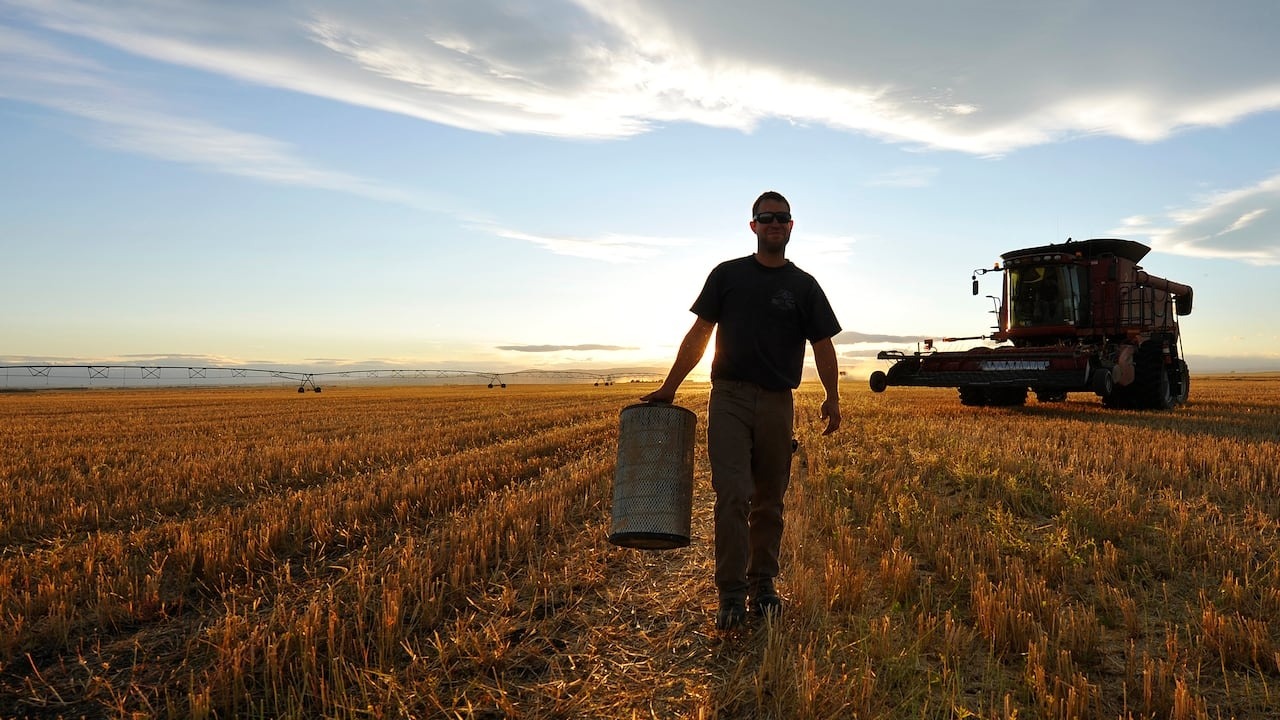
Climate-resilient agriculture refers to farming practices that proactively reduce greenhouse gas emissions. In turn, these methods boost resource efficiency and build a stronger defense against climate volatility, all while fostering local innovation and securing our food supply.
Essentially, climate change means long-term shifts in standard weather patterns, including fluctuations in average temperatures, precipitation levels, and seasonal timing. These shifts can happen gradually over decades or manifest as abrupt disruptions.
Greenhouse gases in our atmosphere act like a global thermostat. As these gas levels climb, they drive several noticeable trends across the Prairies:
- Highly unpredictable temperatures with a steady warming trend.
- Erratic rainfall and snowfall patterns, with a long-term risk of drought.
- A significant spike in extreme, severe weather events.
Human activity heavily fuels these changes. Industrial operations, combined with the release of carbon from natural sinks through aggressive farming and land clearing, are major contributors.
In 2017, agricultural operations accounted for 8% of Alberta’s total greenhouse gas emissions. The primary culprits remain livestock production and the widespread use of nitrogen fertilizers in cropping. Additionally, on-farm fuel consumption made up roughly 13% of the province’s total agricultural emissions.
On the bright side, boosting soil carbon capture through conservation tillage and smart land-use shifts has successfully offset about 18% of Alberta’s agricultural greenhouse gases.
Modern Agtech and Sustainable Farming Practices
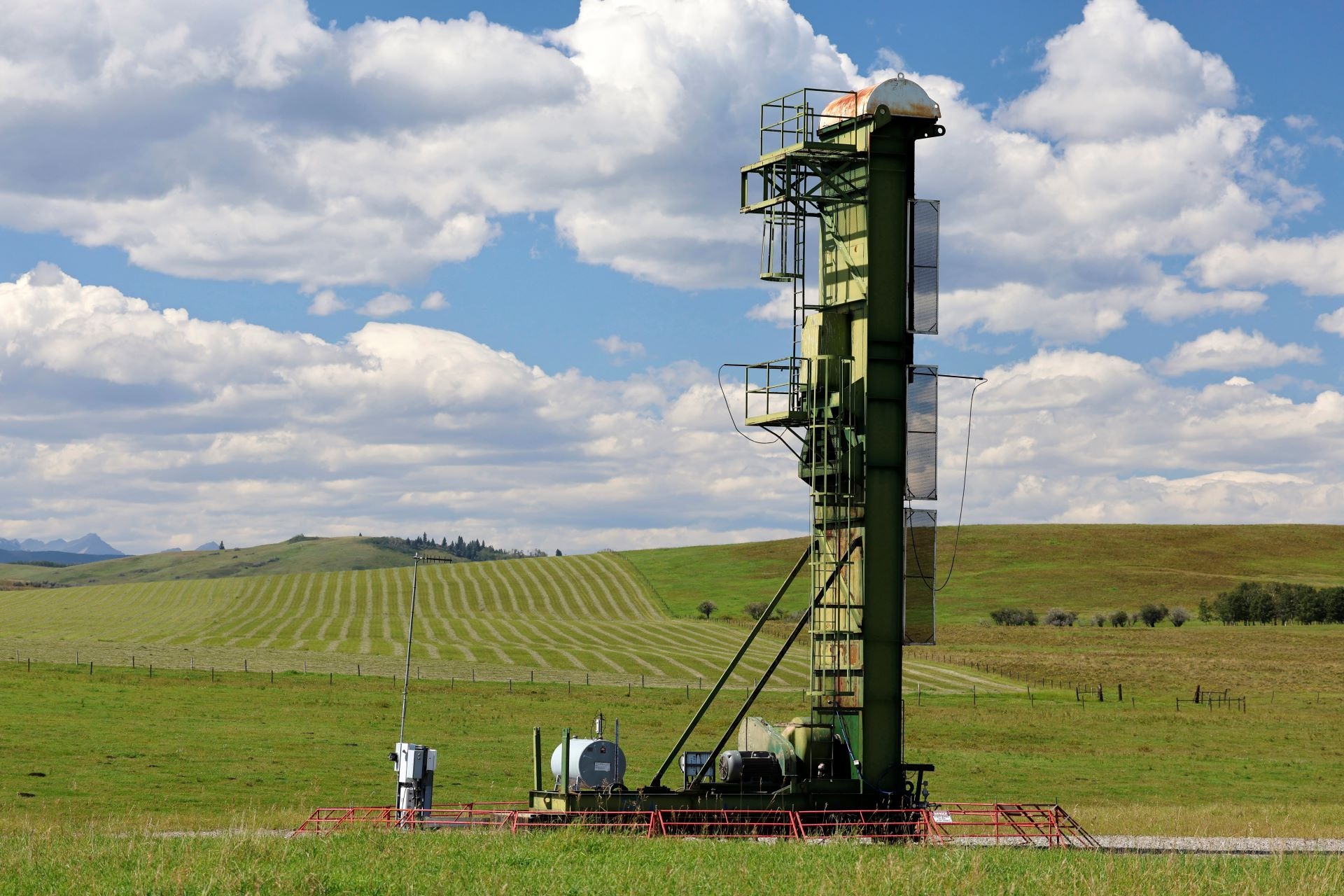
Data shows that since 2005, methane emissions from Alberta’s livestock sector have trended downward, thanks to better operational efficiency and smaller herd sizes. Conversely, high-yield crops that rely heavily on synthetic fertilizers and manure have caused a spike in nitrous oxide emissions. Back in 2009, soil carbon sequestration absorbed nearly one-fifth of the province’s agricultural emissions. However, Environment and Climate Change Canada notes this sink has been shrinking due to changes in conservation tillage adoption and a drop in perennial crop acreage. Sticking to targeted soil-conservation strategies will be vital to protecting this natural sink rather than letting it degrade.
By embracing advanced farming practices, Alberta’s farmers and ranchers are hitting key climate-resilient goals. These efforts pay off through boosted productivity, smaller carbon footprints, and a better capacity to weather extreme climate shifts.
For example, using conservation tillage to lock carbon in the soil and cut down on fossil fuel use is a major win-win. It lowers fuel and labor costs while improving water infiltration and nutrient cycling, making the soil much more adaptable to volatile weather.
Bringing new tech into these areas also opens up lucrative doors in the environmental services market. Beyond the natural perks of efficiency and resilience, various incentive programs are stepping up to reward producers who actively lower their emissions.
Unlike most industrial sectors, agriculture has the unique superpower to go beyond just cutting emissions. Responsible farming can actually remove and trap (sequester) greenhouse gases as carbon right in the soil, while replacing fossil fuels with bio-based renewable energy sources.
Cash crops like oilseeds and grains—specifically canola and wheat—remain the financial backbone of Alberta’s crop sector. These staples consistently bring in strong returns, thanks to steady global demand and solid market prices.
The Future of Alberta Farming: Tech Innovations and Higher Yields
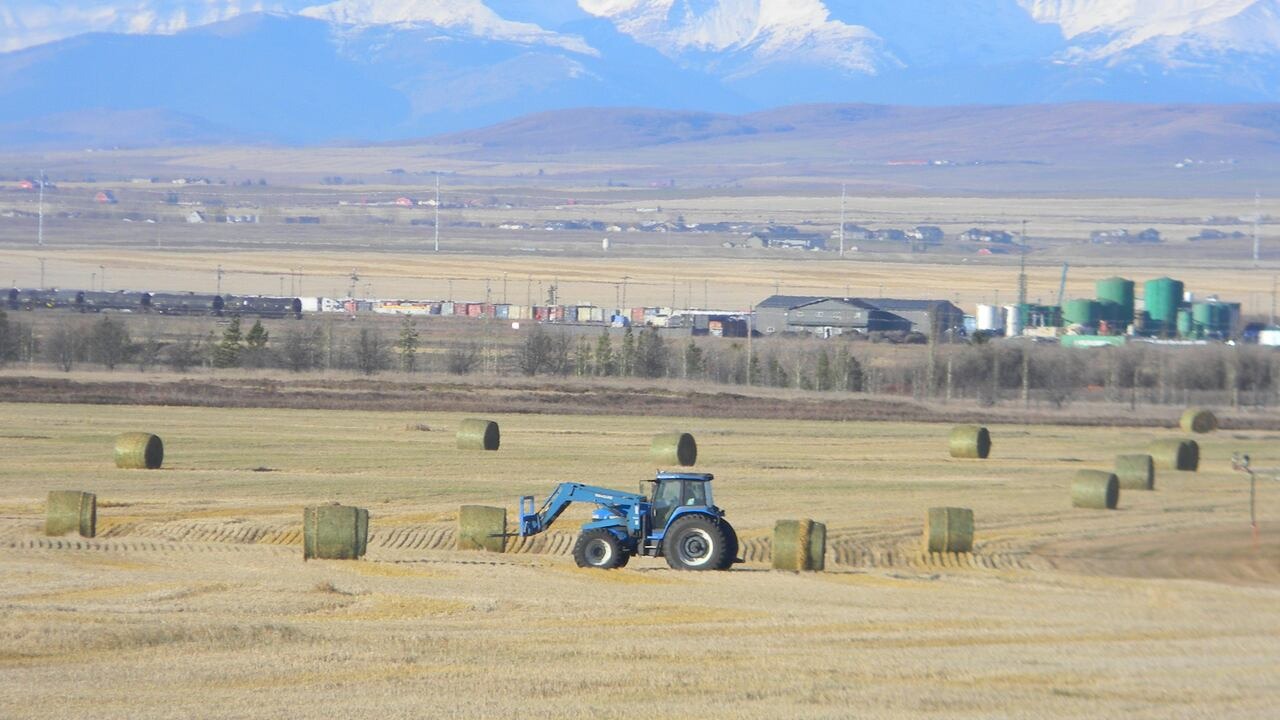
Experts agree that the next chapter of farming will be written by technological breakthroughs, sustainable management, and a fierce focus on efficiency. Innovations like precision agriculture, artificial intelligence, and automated machinery are set to supercharge productivity while addressing climate challenges and resource management. Adopting these tools will be non-negotiable for the long-term growth of the industry.
Alberta boasts several prime agricultural hotspots. The regions surrounding Lethbridge, Red Deer, and Lacombe are famous for their incredibly rich soils and stellar growing conditions, making them ideal hubs for diverse, high-output farming operations.
Sustainable, diversified farming practices hold the most promise for the future. This includes organic farming, agroecology, and blending crop and livestock systems to foster biodiversity, improve soil health, and optimize resource use. These approaches do more than just satisfy the growing consumer appetite for eco-friendly food—they yield lasting environmental and economic dividends.
Because agricultural production is at the mercy of the weather, climate adaptation strategies will look different across the province. A lot depends on individual management choices at the farm level, as well as shifting government policies, emerging tech, and fast-moving trade opportunities.
To roll with climate shifts and safeguard their livelihoods, local producers can lean on several distinct management strategies:
- Lean into conservation tillage and continuous cropping to trim fuel consumption, while boosting water absorption and natural nutrient flow.
- Diversify crop rotations by weaving in perennial forages. This helps break pest and disease cycles, taps into deep-soil nutrients, and provides excellent ground cover to trap winter snow and fight erosion.
- Draw up long-term water management plans to secure reliable supplies.
- Restore and protect local wetlands to improve water filtration, recharge groundwater tables, safeguard wildlife habitats, and lock down soil carbon.
- Root out waste and maximize efficiency across every single facet of the farm’s operations.
- Keep a hawkish eye on weather apps, crop diseases, and pest alerts to intercept problems before they get out of hand.
Ultimately, Alberta’s agricultural scene is moving forward at a rapid pace, seamlessly blending time-tested traditions with cutting-edge tech and green strategies. Despite the headaches brought on by climate change and erratic weather, the province’s ag sector remains a cornerstone of Canada’s economic engine. By leveraging precision agtech, conservation mindsets, and smart resource management, local farmers are successfully driving up yields, reducing footprints, and keeping grocery shelves full. In the coming years, sustainability, automation, and tech integration will undeniably dictate the future of farming in Alberta.