

Thermal hot springs are natural pools of warm or hot water that rise to the surface after passing through the Earth’s crust. The water temperature in these springs can range anywhere from 20 to 100 degrees Celsius. Alberta is home to several incredible hot springs, and we’ll dive into the details right here on edmonton.name.
Healing Benefits of Hot Springs: Why a Soak is Worth It
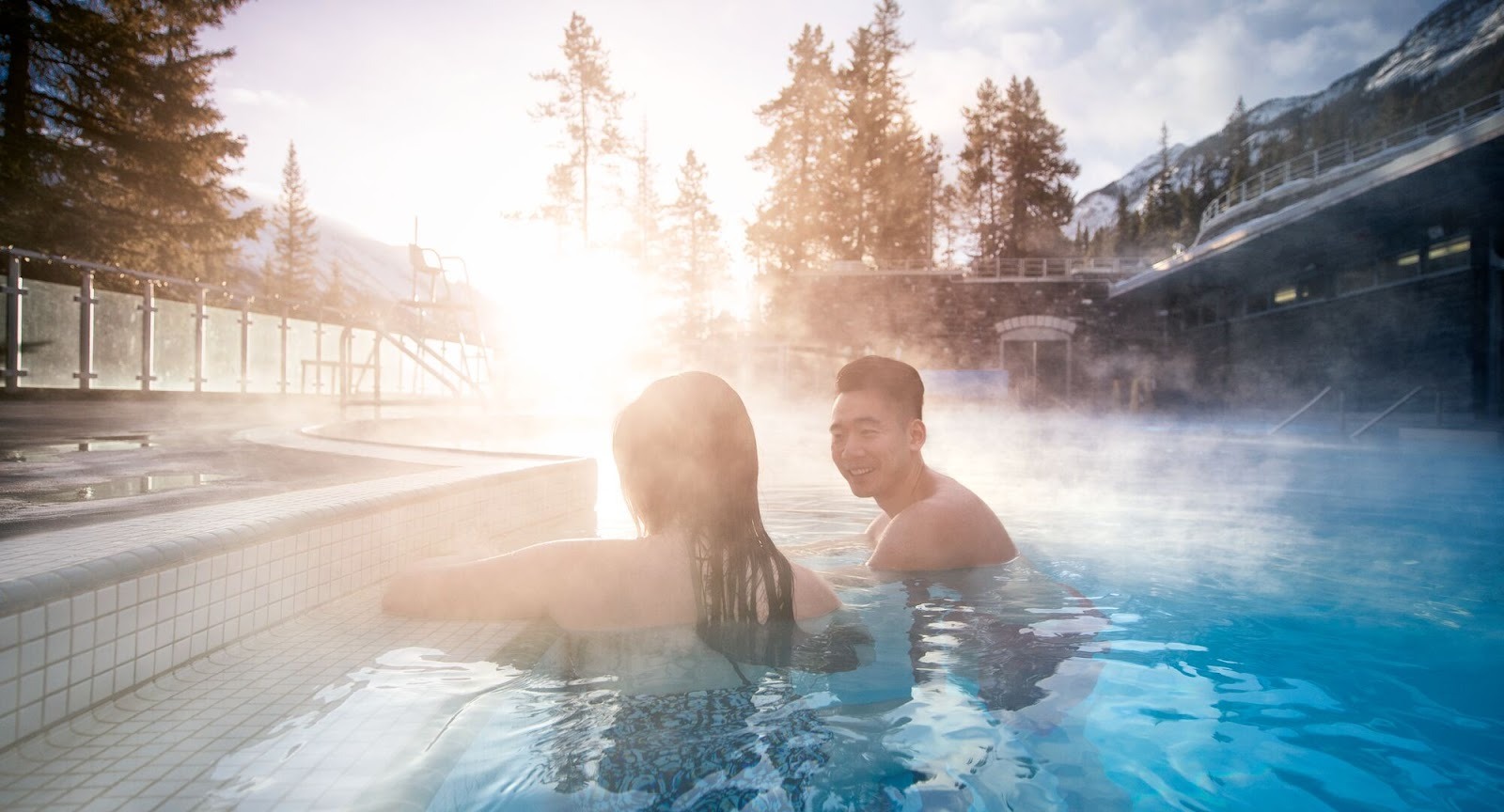
- They Boast a Unique Natural Composition. Hot spring water is loaded with beneficial minerals and trace elements like calcium, magnesium, iron, iodine, and bromine. These substances penetrate the skin, offering a positive boost to your entire body.
- They Aid in Recovery and Prevention. Soaking in hot springs is excellent for post-injury or trauma recovery. It’s also a great way to help prevent chronic illnesses and issues affecting the musculoskeletal, cardiovascular, respiratory, and endocrine systems. The specific benefits often depend on the water’s mineral makeup. For instance, sulfur-rich baths are often recommended for conditions like bronchitis or poor circulation. The raw thermal water is even used to produce premium skincare and hair care cosmetics.
- Boost Your Energy and Combat Stress. Even healthy individuals find that a hot springs soak melts away fatigue and stress, leaving them with a renewed sense of energy. Another secret is the temperature contrast: moving from the warm mineral water into the cool Canadian air gives your body a healthy jolt—an excellent workout for your immune system.
- Enjoy Long-Term Wellness Results. Regular visits to thermal springs can improve overall vitality, help regulate blood pressure, and erase the lingering effects of chronic stress. Plus, the gentle, natural hydromassage from the flowing hot water can help reduce the appearance of cellulite, ease swelling, and potentially trim a few extra centimetres.
When to Skip the Soak: Hot Spring Contraindications
While relaxing, hot spring therapy is not for everyone. Contraindications include:
- Active oncological (cancer) diseases.
- Tuberculosis.
- Acute infections or high fever.
- Thrombosis, severe varicose veins, and atherosclerosis.
- Chronic heart or kidney failure.
- Remember: before visiting any thermal springs, it’s always best to consult with your doctor. They can properly assess your health and give you personalized advice on the optimal duration and frequency of your hot spring sessions.
- Fascinating Facts You Might Not Know About Hot Springs
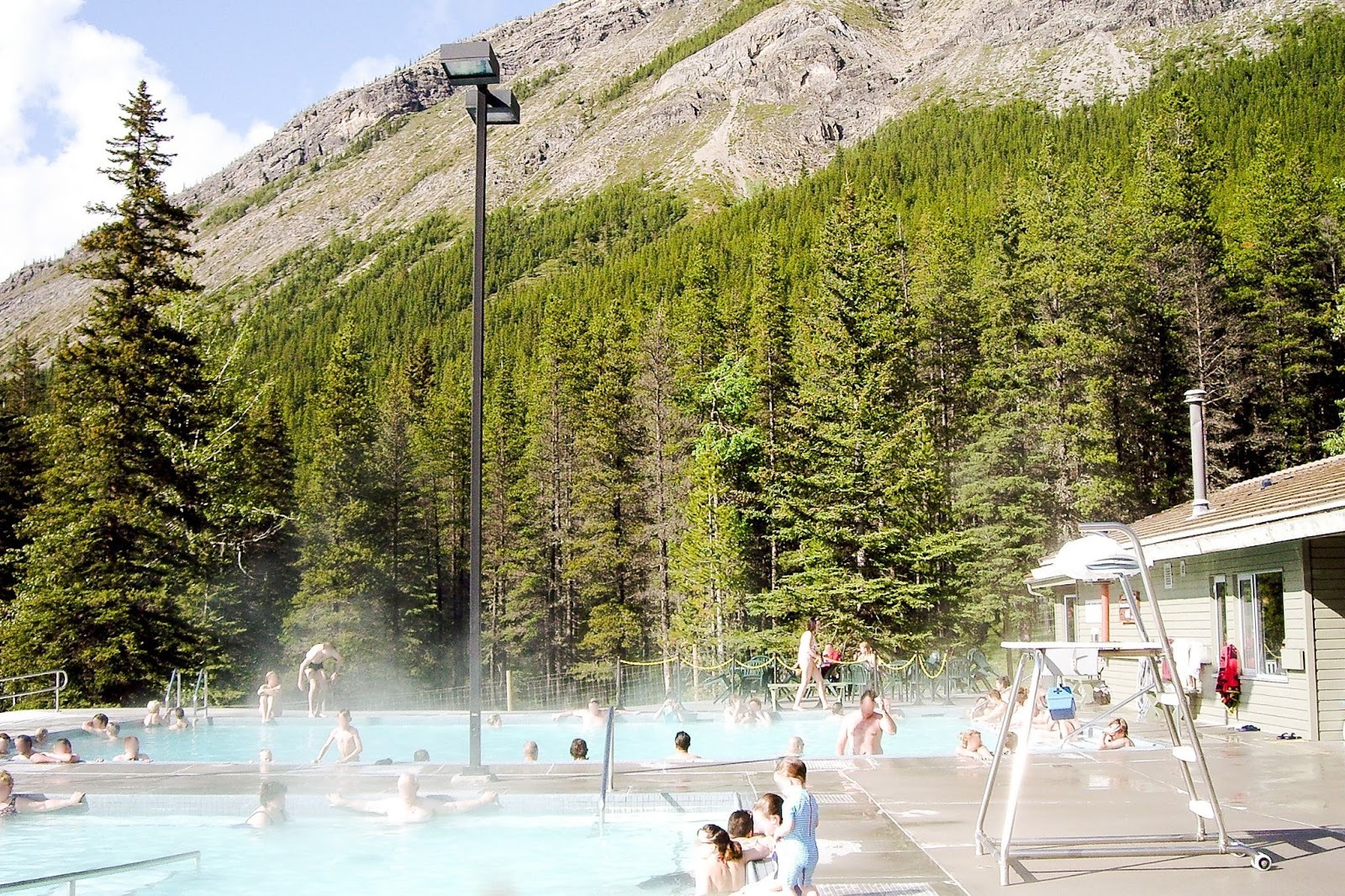
- Here are a few lesser-known but compelling facts about these geological wonders.
- Ancient Waters. Filtration hot springs draw water from deep within the Earth, where it is heated by convective circulation. This water is incredibly old—in some springs, it’s estimated to be around 10,000 years old!
- The Colour Comes from Tiny Organisms. Hot springs can display brilliant shades of orange, yellow, or red. This vibrant colouring is caused by colonies of heat-loving microbes that feed on the chemicals and metals dissolved in the thermal waters.
- Harnessing the Power of Geothermal Energy. Geothermal energy—the energy released by hot springs and underground heat—is a powerful alternative energy source. It is expected to play a critical role in reducing our reliance on fossil fuels in the near future. Currently, scientists have successfully used thermal energy to heat and cool buildings and greenhouses.
- Balneology: The Healing Power of Water. Balneology, or the medical treatment of diseases using water, has been practiced for thousands of years across North America, Europe, Japan, and many other parts of the world. One of the most studied examples is the healing waters of the Dead Sea, where soaking has been linked to significant improvements in skin conditions. Other well-documented benefits of hot spring bathing include relief for conditions like fibromyalgia, psoriasis, and eczema.
- Minerals Are Leached from Rock. The high mineral content of thermal water is due to a simple process: while underground, the water heats up enough to dissolve minerals from the surrounding rocks. When the water surfaces and cools, these minerals solidify and form the crystalline deposits often seen around the edges of natural hot spring pools.
- Banff Upper Hot Springs: The Iconic Alberta Soak
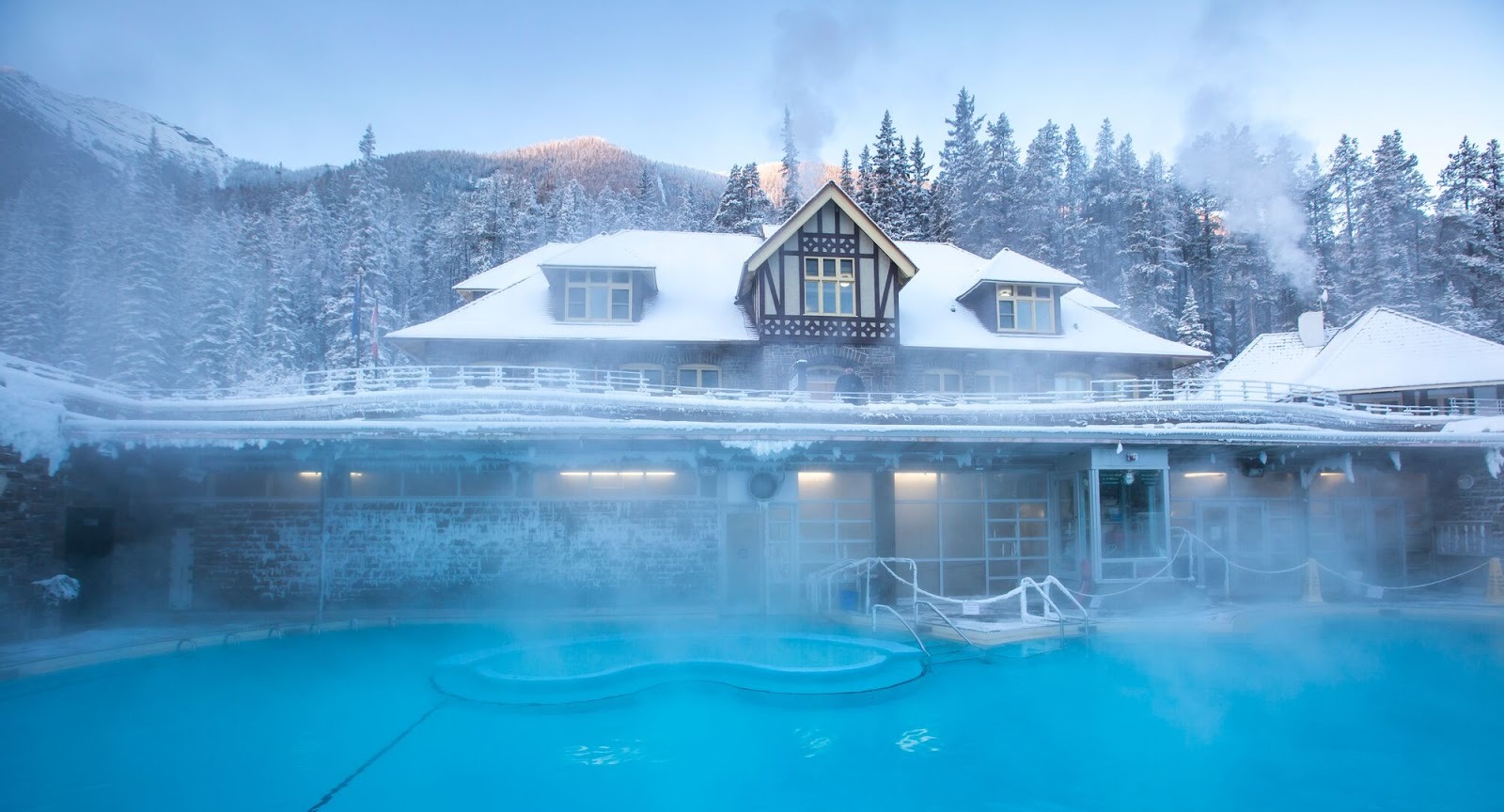
- The history of this famous site began in 1883 when railway workers discovered natural hot springs at the base of Sulphur Mountain. Hot water and steam poured out of a cave on the mountain’s lower slopes. It was soon realized that this was just one of nine sulfuric hot springs on the mountain. Before long, people from all over the world began flocking to Banff to bathe and seek healing in these natural waters, which were quickly reputed for their therapeutic properties.
- The Banff Upper Hot Springs are managed by Parks Canada and located within Banff National Park. Situated at 1,585 metres above sea level, they are the highest operating hot springs in Canada. The water is geothermal, originating deep within the Earth’s crust—about three kilometres down. It flows to the surface through a large rock fracture called the Sulphur Mountain Thrust Fault and is rich in minerals, including calcium, magnesium, sodium, and sulfate. The water’s natural temperature is seasonal; during winter, it can reach 45–50 degrees Celsius, but the flow rate also decreases. Because the natural flow isn’t enough to keep the pool full during the colder months, heated municipal water is added to the pool to supplement the volume until spring. From the springs, you can enjoy absolutely incredible, sweeping views of the neighbouring Mount Rundle and the Spray River Valley.
- The springs are particularly busy in winter, as their main draw is the unique opportunity to soak in a historic bathhouse while surrounded by snow.
- It’s important to note that you cannot make reservations; entry to the springs is on a first-come, first-served basis.
- Cave and Basin National Historic Site: The Birthplace of Canada’s National Parks
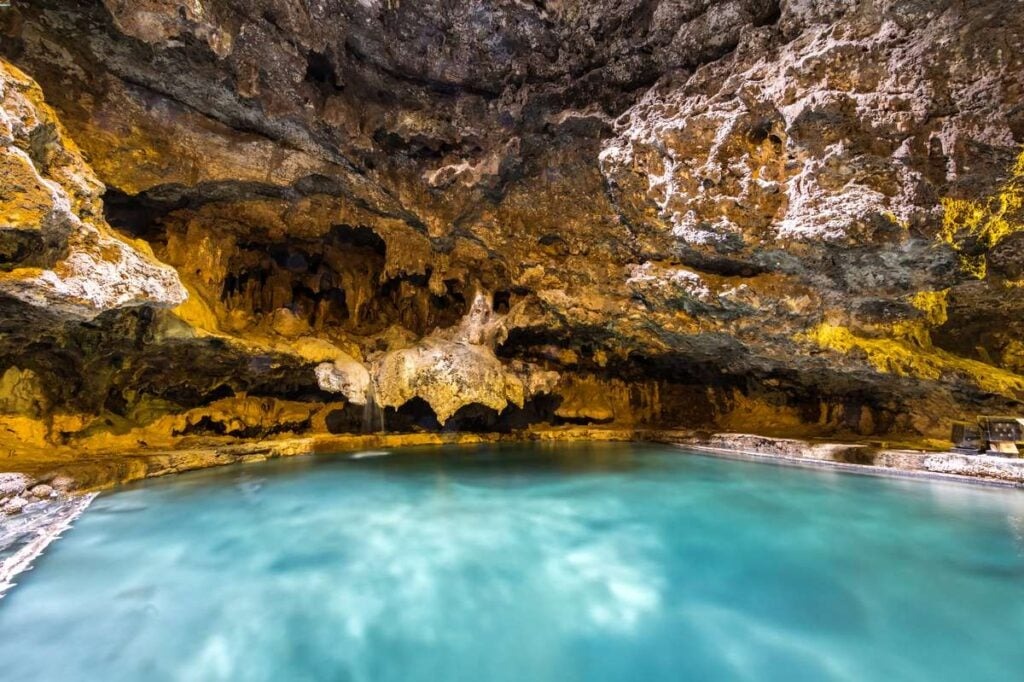
- The Cave and Basin National Historic Site is a true icon of Banff National Park. Located just a short walk from the town centre, this natural hot spring has been known to Indigenous peoples for over 10,000 years. Its modern discovery in 1883 by railway workers William and Tom McCardell and Frank McCabe was monumental. It was the first of many natural hot springs found in the area, leading directly to the establishment of the Banff Hot Springs Reserve in 1885, which eventually became Canada’s very first national park.
- Situated on the edge of Sulphur Mountain, the Cave and Basin quickly gained fame for its thermal waters. Within four years of its discovery, this natural spring became a popular place for public bathing. However, it was eventually closed to swimming due to over-exploitation and because it is the unique habitat of the endangered Banff Springs Snail.
- Today, visitors can explore the cave and its thermal pool, stroll along the historical trails, and visit interactive exhibits dedicated to the site’s natural and cultural history.
- Mist Mountain Hot Springs: A Backcountry Gem
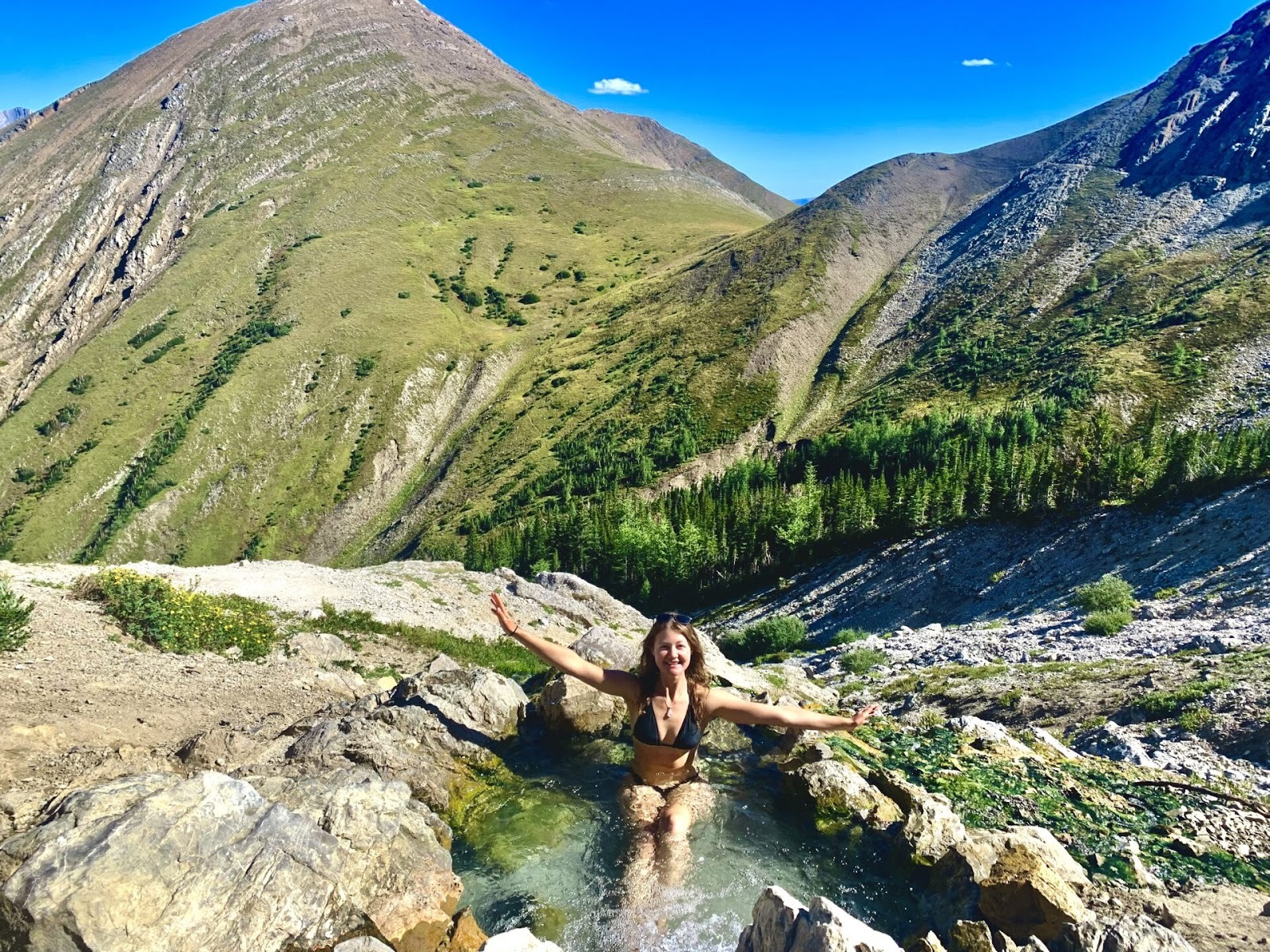
- Mist Mountain Hot Springs are a set of remote, natural thermal pools tucked away in the Kananaskis region of the Canadian Rockies. The pools feature a comfortable water temperature of about 40 degrees Celsius. The hike up Mist Mountain is definitely worth the effort to soak in these small basins, which offer panoramic views of the surrounding wilderness. Keep in mind that the pools are quite small, typically accommodating only 2 to 3 people at a time.
- Miette Hot Springs: The Hottest in the Rockies
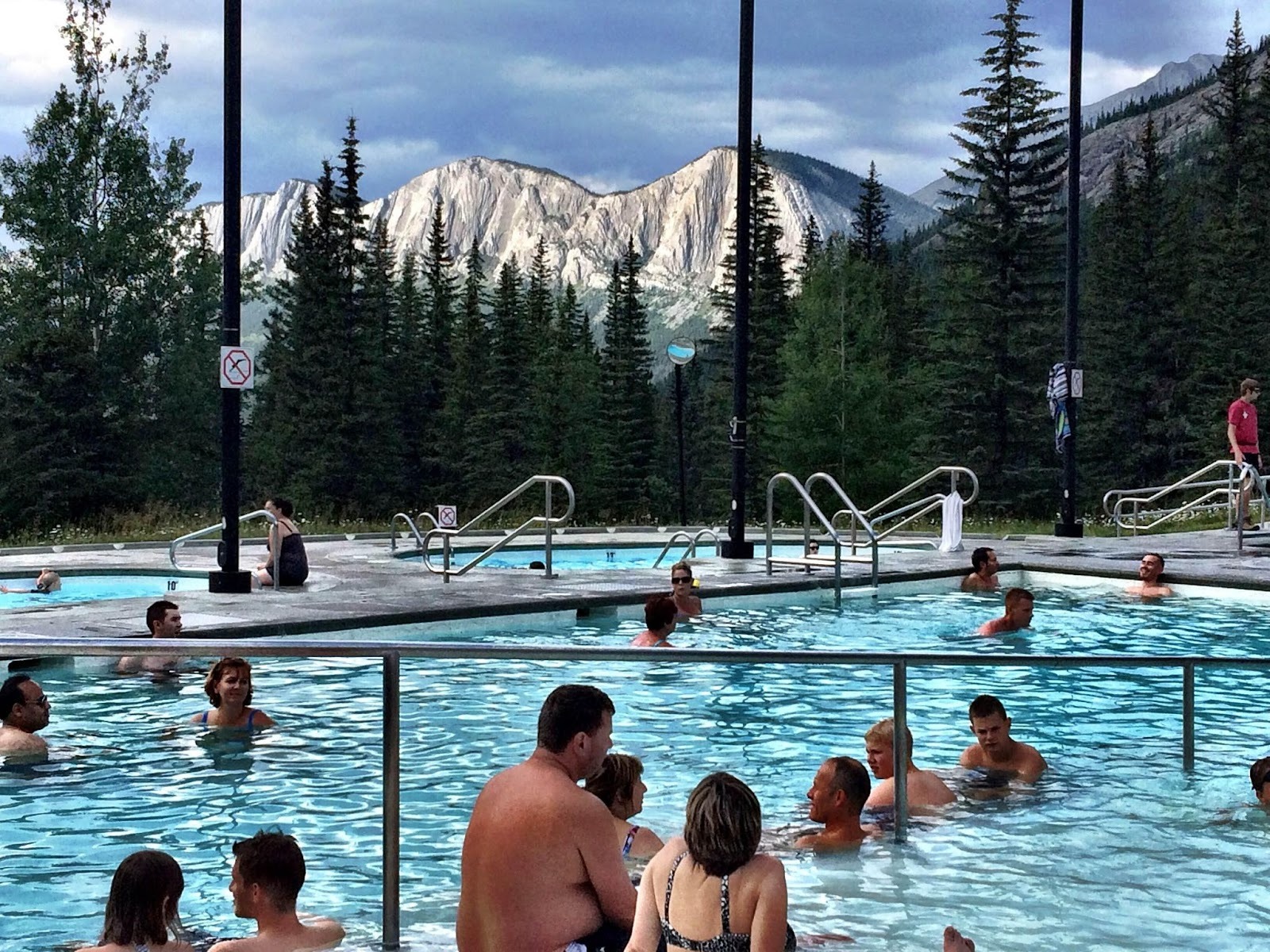
- Miette Hot Springs, located in Jasper National Park, are a popular resort destination in Alberta. The outdoor pool water reaches 40 degrees Celsius, making them the hottest mineral springs in the entire Canadian Rockies. These therapeutic waters are rich in minerals, including sulfates, calcium, bicarbonates, magnesium, and sodium. Note that Miette Hot Springs operate seasonally: they typically open in early May and close in mid-October. While you are at this picturesque spot, be sure to take a relaxing walk along the Source of the Springs Trail. For those who love a good challenge, hiking the Sulphur Skyline Trail offers truly breathtaking, rewarding views.