

Edmonton is a beautiful city with many attractions. A stroll near the technical university offers a stunning view of downtown, where the city’s tallest residential building stands as a prominent feature.
However, during the summer, this beauty often disappears under a cloud of pollutants. While wildfires contribute to smoky conditions, the persistent issue of smog poses even greater health risks, impacting vision and respiratory systems. This article explores air pollution in Edmonton and ways to improve air quality. More on edmonton.name.
Insights from Instructor Graham Verstiuk
Graham Verstiuk, an instructor in respiratory therapy, shared insights on the monitoring of air quality in Edmonton.
Every vehicle owner must register their car, with restrictions limiting registrations to one per person. This policy aims to reduce the environmental impact of vehicle emissions, as many residents rely on personal vehicles for commuting. According to Verstiuk, when the wind is still, vehicle emissions accumulate, worsening pollution.
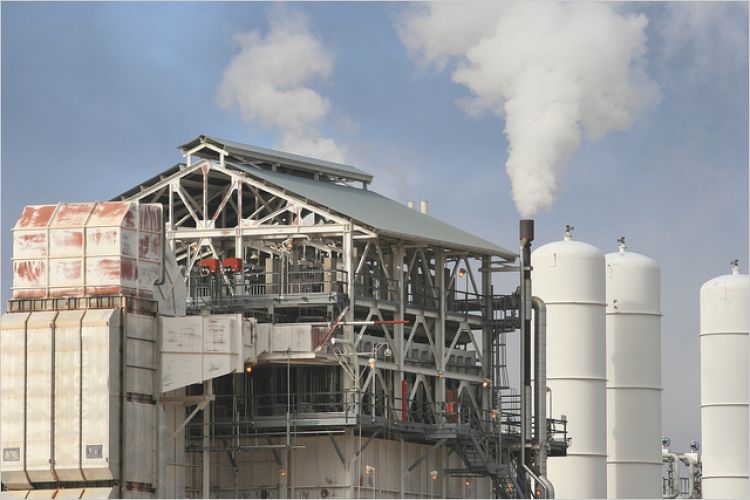
Vehicle emissions combined with industrial outputs from factories and heavy industries are the primary contributors to air pollution in Edmonton. To address this, environmental agencies regularly monitor air quality across the city.
Environment Canada’s Air Quality Health Index (AQHI) is a vital tool for forecasting air quality. The AQHI measures ozone, nitrogen dioxide, and particulate matter on a scale from 1 to 10, with higher numbers indicating extreme conditions.
Health Impacts of Poor Air Quality
Verstiuk explained that poor air quality adversely affects people’s health, often without immediate symptoms.
Generally healthy individuals may experience delayed symptoms such as headaches, coughing, sneezing, or a runny nose lasting several days. For those with chronic lung conditions, the effects are more severe.
How Edmontonians Can Improve Air Quality
While many people spend most of their time indoors—whether at home, work, or school—the air quality in these spaces is not always ideal. Individuals can take simple steps to improve indoor air quality and set a positive example for others:
- Increase Indoor Plants: Plants absorb carbon dioxide and release oxygen. Certain species are particularly effective at purifying the air.
- Respond to Air Quality Index Warnings: When the air quality index exceeds 6, residents should minimize exposure. During wildfire smoke events, the Ministry of Environment recommends:
- Setting vehicle ventilation systems to recirculate air within the cabin.
- Keeping windows closed.
- Reducing the use of stoves or air conditioners that draw in outdoor air.
- Wearing masks if necessary.
City-Wide Solutions for Better Air Quality
To enhance Edmonton’s air quality, collective efforts are necessary:
- Reduce Wood Burning: Avoid burning wood unnecessarily. If a fire is needed, use dry, untreated wood.
- Adopt Clean Heating Standards: Ensure residential and commercial stoves meet emission standards set by the Canadian Standards Association.
- Minimize Vehicle Usage: Residents should reduce trips in personal or public transportation, as vehicles account for over 30% of the city’s emissions.
- Turn Off Idling Cars: If stationary, drivers should turn off their vehicles.
- Improve Industrial Practices: Businesses should adopt modern waste disposal techniques and environmentally friendly technologies.
By adopting these measures, Edmontonians can contribute to cleaner air and a healthier environment for future generations.