

Kent Zerbin, a lifelong Edmonton resident, has made significant contributions to his hometown by promoting environmental sustainability. In 2011, Kent launched an environmental initiative focused on creating climate-resilient homes. His initiative includes simple measures such as insulation, heat pumps, and energy-efficient windows, all aimed at significantly reducing energy consumption and environmental emissions. Learn more about this impactful initiative in the article on edmonton.name.
The Impact of Climate Change on Edmonton
Kent highlighted several risks that climate change poses to Edmonton residents:
- Heavy rainfall can cause flooding, eroding house foundations, encouraging mold growth, and damaging electronics.
- Heat domes, such as the one in 2000, have caused sudden temperature spikes, negatively affecting plants.
- Strong winds frequently topple trees and damage homes.
- Hailstorms can strike at high speeds, causing significant damage to houses, vehicles, and property.
Kent Zerbin’s Climate-Resilient Home Initiative
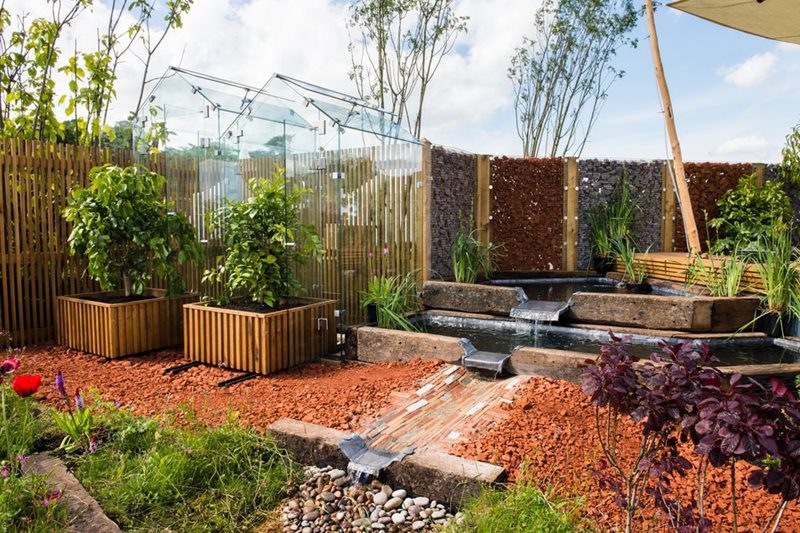
Kent’s initiative focuses on creating homes capable of withstanding climate change, offering numerous benefits. One key step is naturalizing yards to reduce water consumption and maintenance needs. He recommends avoiding tap water, which often contains chlorine that can harm essential soil bacteria. Instead, Kent advocates collecting and using rainwater, which promotes healthier plant growth.
Food gardens are another integral part of the initiative. These gardens provide reliable carbon absorption, improve soil quality, and create a habitat for diverse plant species. Additionally, they offer a sustainable food source, allowing residents to grow fruits and vegetables locally.
Kent has replaced traditional lawns with food forests near churches and helped establish projects such as the Waldorf Food Forest and Community Garden in Edmonton. According to Kent, well-designed gardens reduce plant care needs and water consumption, while also cutting emissions from transporting commonly consumed food products.
Steps for Creating a Food Garden or Forest
There are several ways to integrate a garden into your yard:
- Use rain barrels to collect rainwater, an ideal option for watering plants without relying on chlorinated tap water.
- Consider creating rain barrels from eco-friendly materials to collect natural water that’s beneficial for plant life.
- Use drought-resistant native plants wherever possible and prioritize watering with rainwater.
What Can Residents Do?
Kent outlines practical steps residents can take to reduce emissions and prepare for climate change:
- Install a metal roof – It facilitates clean rainwater collection, provides better protection during storms or fires, and simplifies solar panel installation.
- Improve home insulation – This reduces energy consumption and protects against extreme temperatures.
- Invest in a heat pump – These devices consume minimal electricity to produce heat, reduce emissions, and effectively purify indoor air during increasingly frequent heat waves.
- Adopt an energy-recovery ventilator (ERV) – ERVs provide fresh air while recovering up to 90% of heat from outgoing air. Many models also filter harmful pollutants like wildfire smoke, ensuring healthier indoor air quality.
Supporting the Environment and Community
Kent’s eco-friendly initiative aims to help Edmonton residents access nutritious, environmentally friendly food while contributing to a healthier planet. The initiative has gained widespread support from locals, with many beginning to make their homes more climate-resilient.