

Beavers are among the largest rodents in Alberta and a cornerstone of the province’s natural ecosystem. Thriving near rivers, lakes, and wetlands, these industrious animals settle wherever they can find plenty of trees and a steady water supply. Primarily nocturnal, beavers do the bulk of their heavy lifting after dark. To build their secure lodges and intricate dams, they fell trees using sharp incisors, weaving together branches, logs, stones, and aquatic plants. These dams trap water, slow down fast-moving currents, curb soil erosion, and carve out rich habitats for countless plant and animal species. By reshaping landscapes, beavers play a vital role in maintaining ecological balance and conserving freshwater reserves. For a closer look at how these furry environmentalists benefit our wilderness, read on at edmonton.name.
The History of Beavers in Alberta
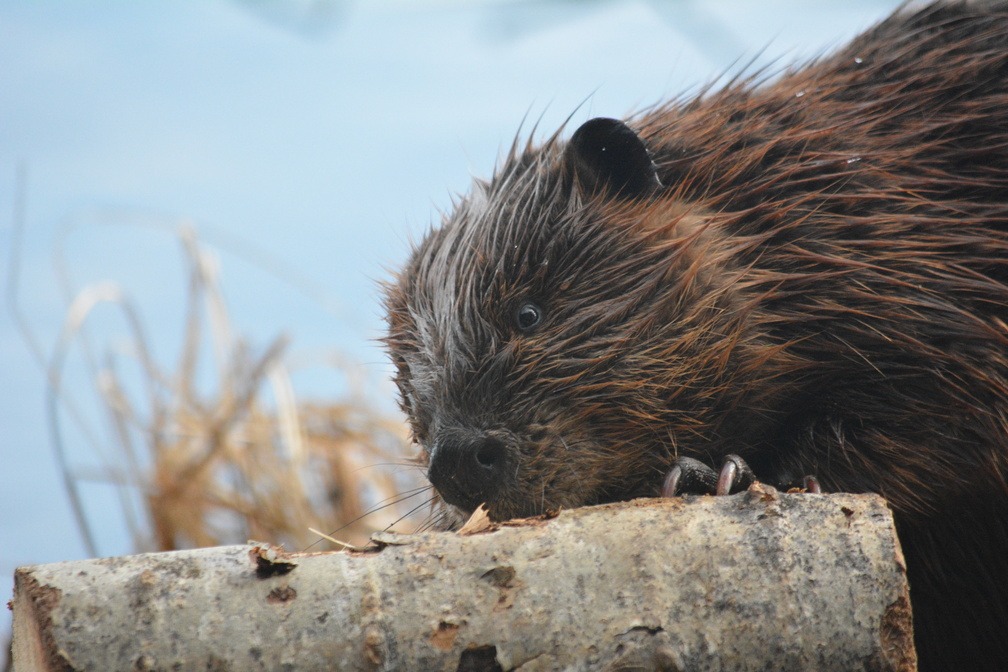
Alongside their Eurasian cousins, North American beaver populations have staged an incredible comeback after nearly being wiped out by the historic fur trade. While strict conservation policies and early reintroduction programs laid the groundwork for this success story, the species’ ultimate revival comes down to sheer resilience and adaptability. Today, beavers are among the most widespread mammals in North America, spanning territories from the Arctic Ocean all the way to northern Mexico. In fact, driven by climate change, these rodents are now expanding from northern river systems and deltas straight into the Arctic tundra, which is growing increasingly brushy and shrub-dense.
The story of beavers in Amiskwaciy—the Cree name meaning “Beaver Hills”—is a rollercoaster of overexploitation and eventual redemption. Historically, this region was a crucial hunting and gathering ground for many Indigenous peoples. However, the arrival of the commercial fur trade triggered aggressive trapping, which was soon followed by extensive land clearing and logging by European settlers. By the mid-to-late 1800s, beavers had vanished entirely from the Beaver Hills. Fortunately, this dark period sparked a wave of dedicated conservation efforts to restore the rodents alongside other native wildlife.
In 1899, the federal Department of the Interior established the Cooking Lake Forest Reserve, parts of which survive today as the Cooking Lake-Blackfoot Provincial Recreation Area. Other protected spaces soon followed, including Elk Island National Park in 1906, the Ministik Bird Sanctuary in 1911, and Miquelon Lake Bird Sanctuary in 1920 (which became a provincial park in 1958). Thanks to a successful reintroduction program that moved beavers from Banff National Park to Elk Island in 1941, bolstered by natural migration, the Beaver Hills finally lived up to their name once more. Today, beavers can be found thriving right across the region.
Why Beavers are Vital to Alberta’s Ecology
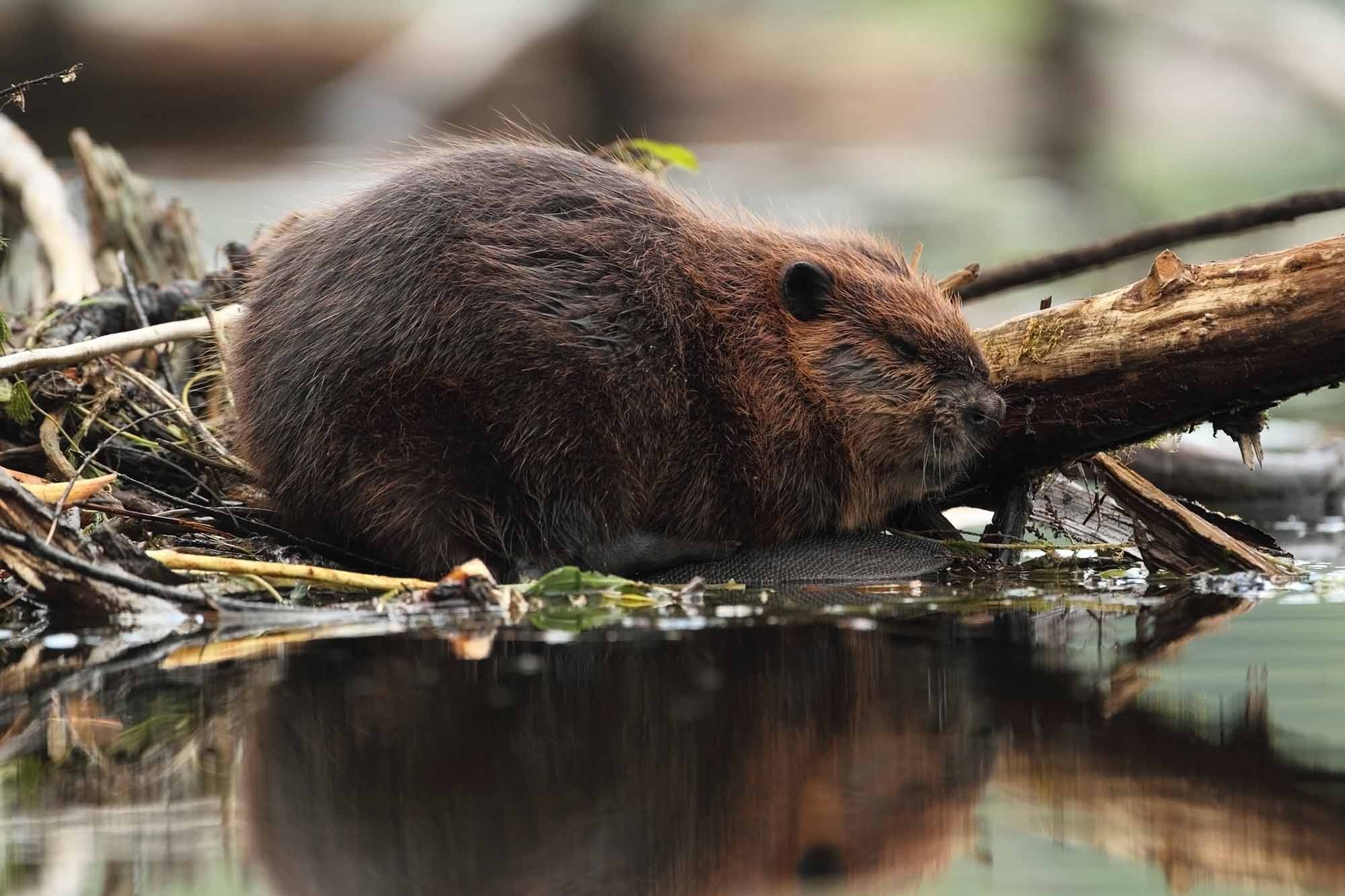
Beavers construct secure shelters right in the heart of the ponds created by their dams. These lodges offer year-round protection from predators and feature two underwater entrance tunnels. To survive the harsh Prairie winters, the animals cache a massive food supply of logs and branches at the bottom of the pond, feeding mostly on the nutrient-rich inner bark. Gnawing on tough wood serves a practical purpose, too: it keeps their teeth from overgrowing, which grow continuously throughout their lives. Generally, beavers build two types of homes: freestanding lodges out in the open water and bank burrows dug straight into riverbanks. Both designs keep them safe, dry, and fed. When it comes to building materials, aspen and poplar are their absolute favourites, and they aren’t afraid to tackle surprisingly large trees.
The ecological perks of having beavers around are massive. By flooding low-lying areas, they engineer vibrant wetlands that provide food, shelter, and breeding grounds for a diverse array of wildlife. Beaver ponds slow down stream velocities, capturing silt and preventing heavy bank erosion. They act as natural shock absorbers for the landscape, mitigating the impacts of both spring floods and summer droughts while improving water quality downstream. However, this natural landscaping can occasionally clash with human infrastructure. When beavers cut down prized backyard trees or plug up drainage culverts, their dams can cause unwanted flooding in residential areas.
Despite these minor headaches, beavers are essential for safeguarding Alberta’s freshwater security. Over the past century, water levels in Central Alberta’s lakes and wetlands have steadily declined due to agricultural development and climate pressures. Interestingly, researchers have found that beaver complexes—sprawling networks of interconnected ponds and wetlands—act as incredibly effective natural firebreaks. This has become a massive asset over the last decade as wildfires have grown increasingly severe across the province.
Because their engineering skills can sometimes disrupt property, beavers remain a polarizing species. Sharing the land with them comes with a price tag. To quantify these costs, environmental scientist Glynnis Hood led a comprehensive study across 48 Alberta municipalities and 4 provincial parks. The findings revealed that local governments spend over $3 million annually on beaver management, including dam mitigation, property repairs, and preventative infrastructure.
To strike a balance, Alberta landowners are encouraged to accommodate beaver populations rather than remove them. By installing proactive management tools early on, property owners can protect their land from flooding while reaping the long-term ecological benefits these animals provide.
Smart Land Management Tools for Peaceful Coexistence
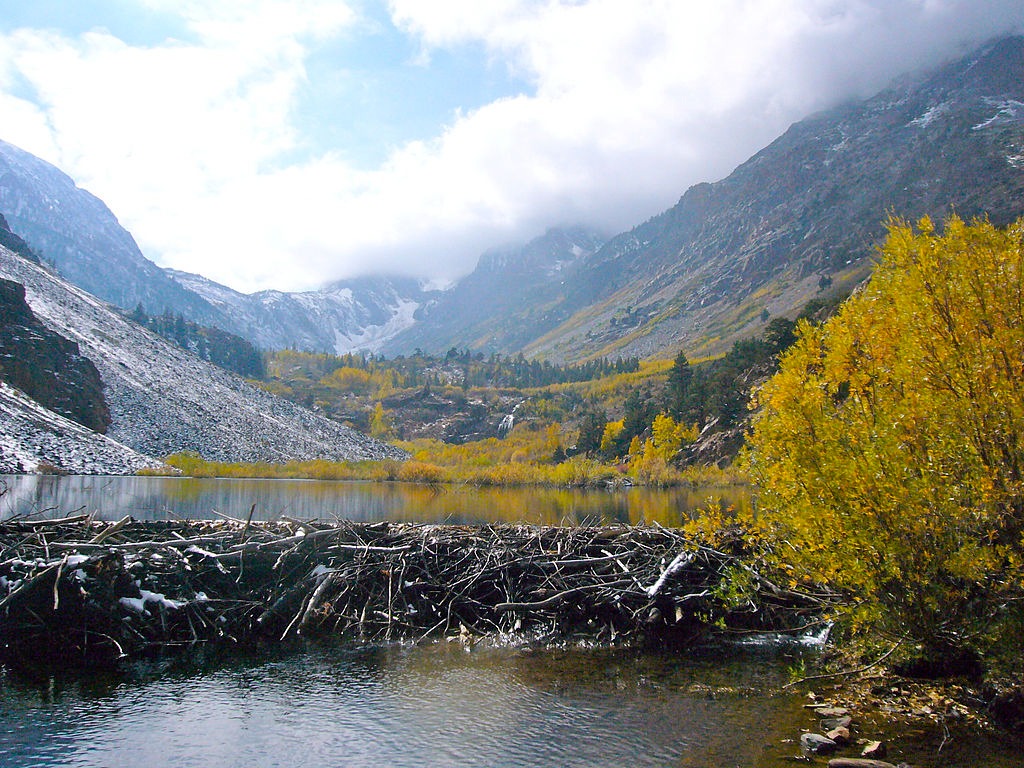
Modern wildlife management offers several highly effective, non-lethal tools designed to maintain beaver habitats while safeguarding human property. Key solutions include:
- Pond Levellers: These devices use a flexible pipe threaded directly through a beaver dam. It allows excess water to drain safely downstream, regulating the pond’s depth. A sturdy wire cage protects the submerged intake pipe, preventing the beavers from detecting the water flow and plugging the leak.
- Culvert Guards: These heavy-duty wire structures are placed ahead of drainage pipes to deter beavers from building dams inside them. In some cases, simulated Beaver Dam Analogues (BDAs) are built using natural stakes and weaving to encourage beavers to build in safer, designated conservation zones instead.
- Strategic Dam Notching: This involves removing a small section of a dam to partially lower a pond’s water level. Done carefully, it relieves immediate flooding pressure on nearby roads or fields without destroying the structure entirely or wiping out the surrounding wetland ecosystem.
- Tree Wrapping: Property owners can easily protect vulnerable trees and ornamental shrubs by wrapping the base of the trunks with heavy-gauge wire mesh or hardware cloth to a height of about one metre.
- Supplemental Wood Baiting: Providing a steady supply of fresh branches and cuttings away from valuable properties gives beavers an easy food source and building material, successfully distracting them from areas vulnerable to damage.
Ultimately, beavers remain indispensable ecosystem engineers, fostering biodiversity and securing water resources across Alberta. While their industrious nature can occasionally cause friction, smart management strategies and modern coexistence tools allow us to minimize property damage while preserving the massive environmental perks they bring to the table. Protecting beavers and their habitats is a crucial piece of Alberta’s conservation puzzle, helping to maintain a resilient, balanced environment for generations to come.