

In the early 20th century, Edmonton faced significant challenges with waste management and disposal. Citizens were largely unaware of the environmental damage caused by their waste. The Grierson Dump, which became a major blemish on the city, exemplified these challenges. Read more about its impact, the difficulties in shutting it down, and other related facts on edmonton.name.
Recycling and Waste Management in the Early 1900s
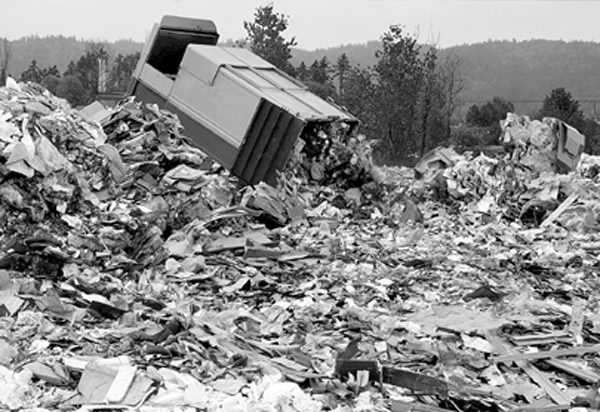
In the early 1900s, Edmonton and Strathcona residents discarded waste directly onto the streets, leading to massive dumps that negatively impacted the environment. By 1900, the city began adopting environmentally conscious practices. Incineration plants emerged, while garbage collectors and scrap metal dealers started cleaning the streets. Residual waste was often dumped into the North Saskatchewan River.
Residents of the time viewed waste resourcefully. Food scraps, ash, and trash were sorted into separate categories. Ash, consisting of all burned materials, was reused for road construction. Hotel and restaurant owners fed scraps to pigs. Immigrants also saw opportunities, using waste for building homes.
This approach to reusing waste led to the rise of Edmonton’s largest dump—Grierson. The site attracted many unemployed individuals who scoured it for valuables. Notably, impoverished residents earned around $2 a week by salvaging items. One Dutch immigrant, known as Smitty, became famous for transforming trash into handcrafted flowerpots and picture frames.
The Grierson Dump not only served as a convenient waste disposal site but also disrupted the flow of the North Saskatchewan River. The dump’s namesake, Grierson, a well-known Edmonton engineer, encouraged waste disposal on Grierson Hill. This sparked outrage from the Departments of Health and Police. Residents of McCauley and Boyle Heights complained about the odor but were simply told to keep their windows closed and ventilate their homes less.
The Swine Cholera Outbreak and the Dump’s Closure
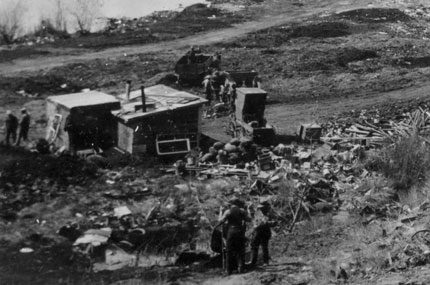
The Grierson Dump expanded, nearly reaching Edmonton’s city center. In 1911, the city commissioner made the first of many attempts to close it. Investigators from the Northwest Mounted Police discovered that the dump harbored diseases that posed a threat to public health.
Despite this, the dump remained operational, causing ongoing harm to people’s health and the environment. In 1913, an outbreak of swine cholera—caused by pigs feeding on scraps from the Grierson Dump—sparked widespread panic among residents, who feared the disease would spread to humans.
This outbreak led to the temporary closure of the dump. However, some residents continued to dispose of waste there. In 1915, Edmonton citizens proposed building a large wall to separate the city from the dump in the river valley. The idea was ultimately abandoned by local authorities.
Positive Changes
In 1917, Edmonton’s mayor proposed hiring workers to cover the dump’s waste with ash. This method aimed to prevent waste from rotting and polluting the environment. As the city expanded, the dump encroached on western Edmonton neighborhoods, including areas near the Legislative Assembly.
Residents endured living with closed windows until 1929, when the city began regularly removing trash. By the late 20th century, the Grierson Dump was officially closed. Notices of eviction were sent to residents living near the site. Authorities decided to burn all remaining waste at the dump, marking the end of a troubling chapter in Edmonton’s history.