

“Everyone creates waste, but no one does anything about it.”
These words, attributed to 20th-century engineer A. Haddow, highlight a key challenge faced by Edmonton in the early 1900s: managing waste effectively. During that time, incinerators were considered the most efficient solution to handle waste. In some cities, they were constructed as a safer alternative to ocean dumping.
At first glance, incineration appeared to be a promising solution for handling unwanted items, including hazardous medical waste. However, these facilities often posed significant environmental risks. Edmonton’s first recorded incinerator was built alongside the Royal Alexandra Hospital in the early 20th century, primarily to prevent the spread of diseases by burning medical waste. More edmonton.name.
The First Incinerators in Edmonton
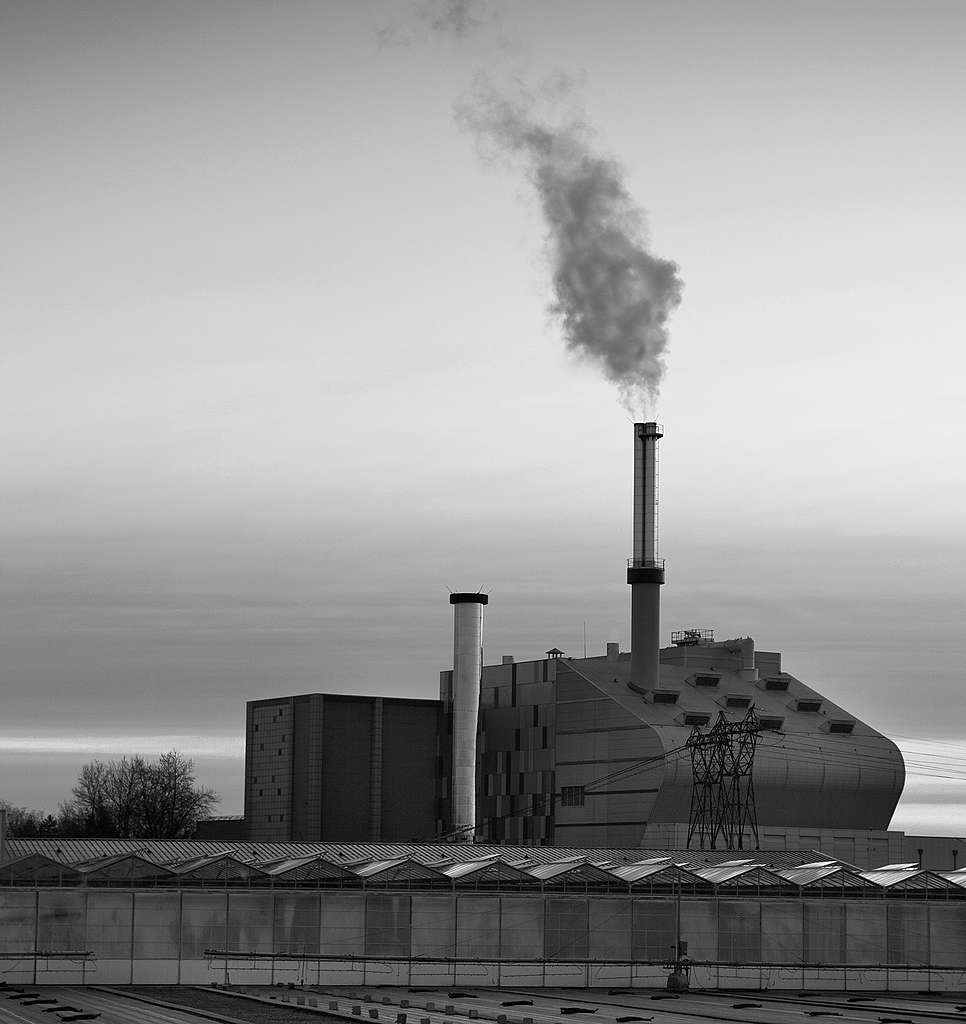
In 1908, Edmonton opened its first municipal waste incinerator, known as Rat Creek Incinerator, located near the river. Equipped with modern machinery for its time, the facility could burn 50 tons of waste daily. As the city’s waste production increased, the incinerator operated at maximum capacity. Unfortunately, this resulted in pervasive unpleasant odors that spread across West Edmonton, angering residents.
The incinerator was built on nine piers, which eventually caught fire. With people living nearby, the situation worsened. Residents filed a lawsuit, citing the fire, toxic emissions, and foul smells that made their homes uninhabitable. However, the court dismissed their claims.
By 1931, the growing volume of waste necessitated a new incinerator. The city purchased land from Thomas Reist on the lower portion of Connors Road and began constructing a second incinerator, Mill Creek Incinerator.
The Mill Creek Incinerator
Built in collaboration with British engineering firm Heenan and Froude, the Mill Creek Incinerator was modeled after a facility in Leeds, England. The Leeds plant, a marvel of the industrial age, could incinerate 60 tons of waste daily but drew complaints about odors and ash. Engineers addressed these issues by constructing 150-foot chimneys, although the improvements were minimal.
Mill Creek Incinerator was strategically located 200 yards from the nearest home. After World War II, Edmonton decided to replace the aging Rat Creek facility with a modernized incinerator at the same site. By 1950, the new Mill Creek facility was completed at a cost of over $1 million. The five-story building featured an aluminum roof and walls, showcasing cutting-edge design and machinery.
The Mill Creek Incinerator became a mechanized operation, sparing workers from the hazardous manual labor required at earlier facilities. Operators managed the entire process using buttons and levers. By 1954, at its peak, Mill Creek burned more than 290 tons of waste daily, handling various types of waste efficiently.
Waste Processing and Facility Closure
Mill Creek had a fleet of 40 garbage trucks collecting waste citywide. The facility operated 24/7 with a staff of nine workers. Trucks would unload waste into a 25-foot-deep, 80-foot-long pit. A bucket crane scooped the waste into storage bins, managed by a crane operator.
Operators controlled the grates that fed waste into the furnace, where it burned at temperatures reaching 1,800°F. Items like tin cans were reduced to ash within minutes.
By 1970, Edmonton faced mounting challenges as waste production surged beyond the facility’s capacity. The incinerator site became a dumping ground, emitting unpleasant odors and depositing black ash across the area. Residents protested, and in 1971, the Mill Creek Incinerator was officially decommissioned.
Legacy
The history of Edmonton’s early waste disposal methods reflects the evolution of waste management in response to public health and environmental concerns. While incinerators were once seen as a progressive solution, they highlighted the need for more sustainable and community-friendly practices in managing waste.