

European settlers were among the first to engage in fishing in Canada. Today, this industry continues to support significant regions. In Edmonton, fishing often yields large catches and substantial financial benefits. Read more on edmonton.name.
Early Days of Fishing
By 1763, Canada was home to diverse nationalities, including Europeans, English, and French. Fishing began as early as the 16th century, with cod being the most prized catch in Edmonton due to its easy accessibility. Early fishers would salt and dry their catch, preparing it for long-distance transportation. Fishing operations took place directly from boats using hooks. By the end of the 16th century, English and French settlers began competing in the trade. Although their economic goals were similar, the English and French employed different fishing methods.
English Fishing Tactics
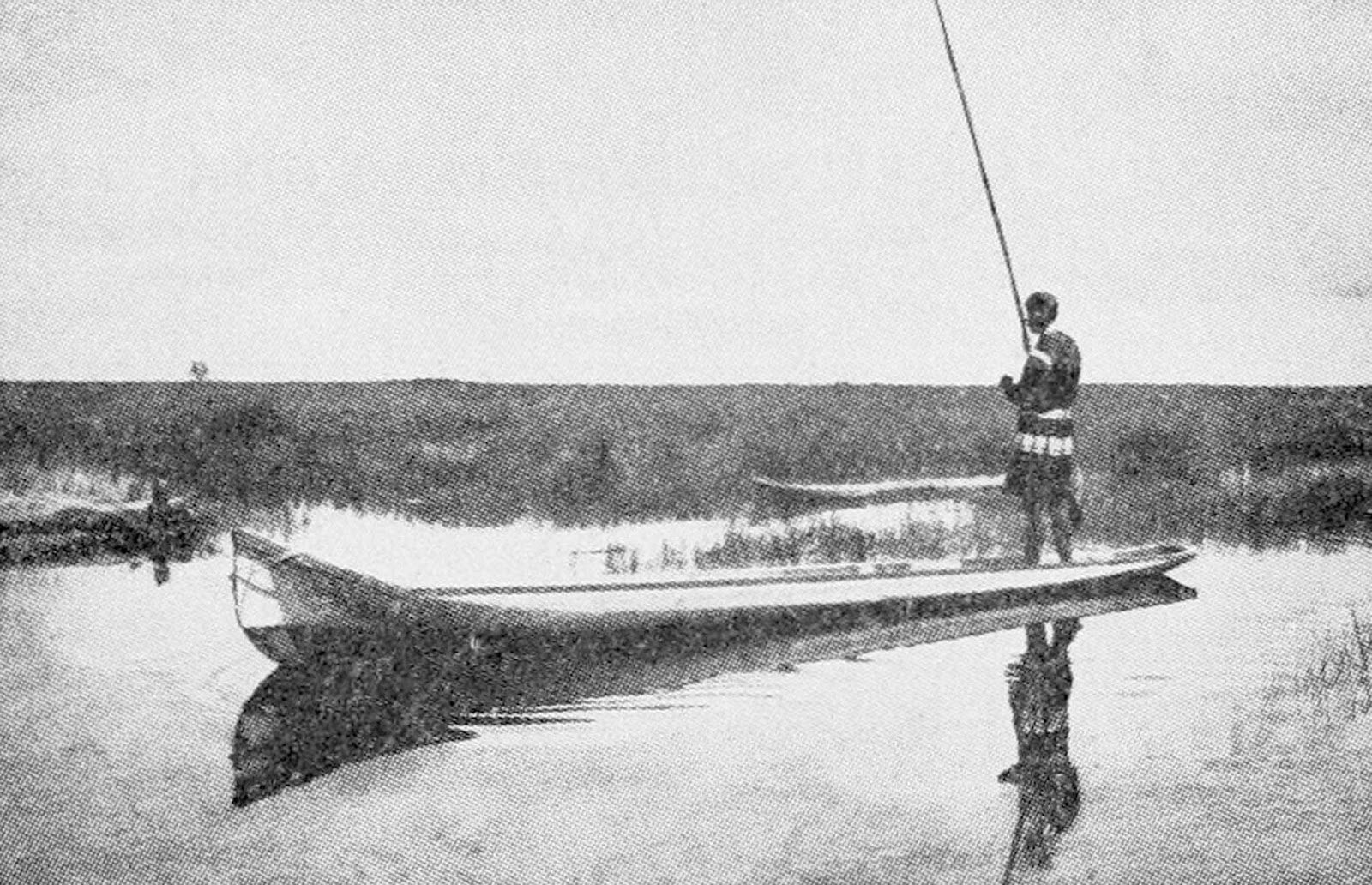
Initially, English fishing efforts were concentrated at fish stations in protected harbors along the southeastern coast of Newfoundland. Each station appointed a “fishing admiral” to oversee operations. Fish were caught near the shore using small boats. The day’s catch was brought ashore, cleaned, lightly salted, and dried on open-air platforms. This method, known as “dry fishery,” produced dried cod suitable for trading on distant markets.
By the 17th century, British fishing vessels began transporting passengers to Newfoundland, where they would fish from small boats. Eventually, instead of carrying fishers back to Britain, these ships started transporting trade goods, primarily fish.
Fishing in Alberta
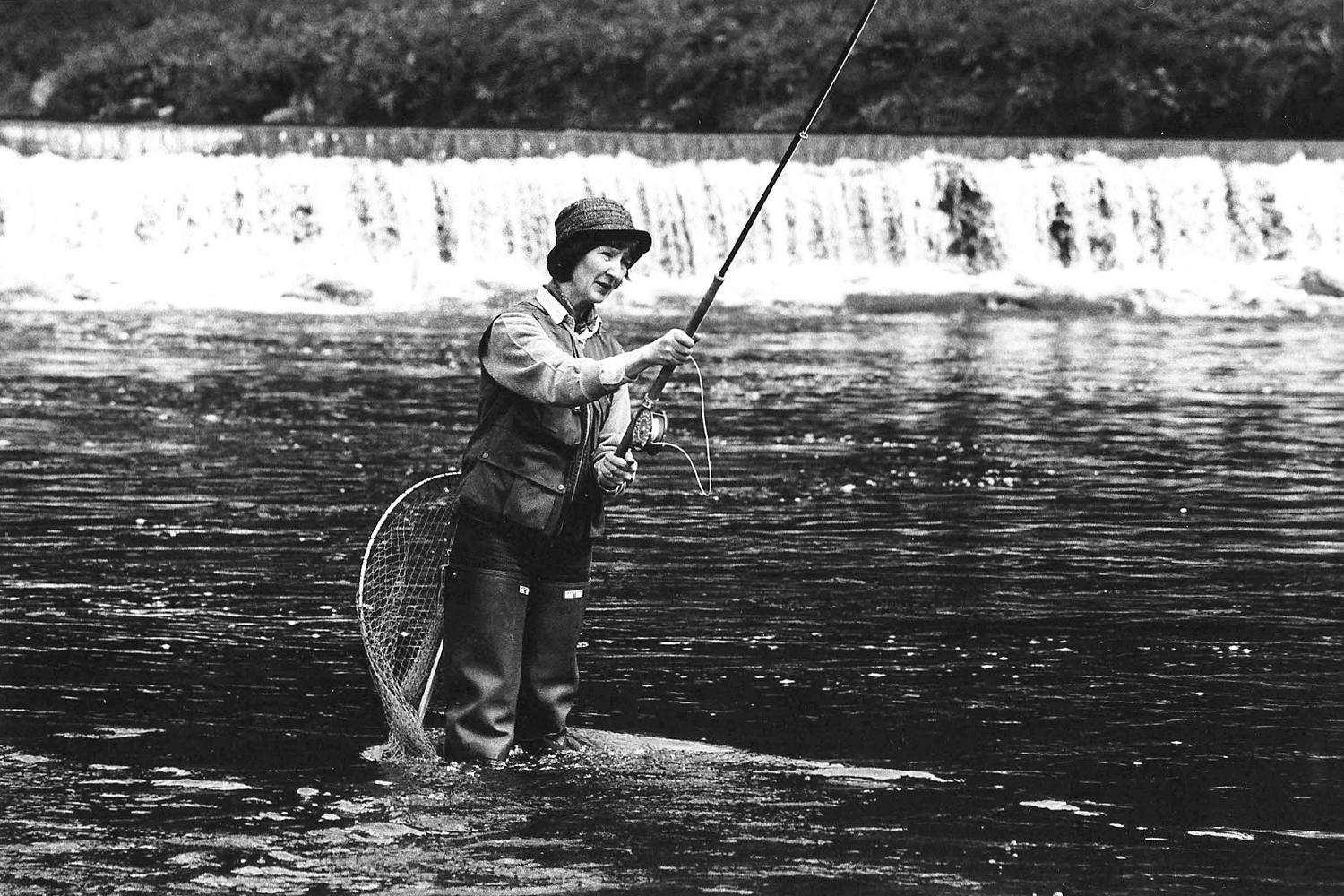
Fish first appeared in Alberta approximately 13,000 years ago, near the end of the Ice Age. The retreating glaciers connected Alberta’s waterways to biologically significant lakes and the Mississippi River. Waterways such as the North and South Saskatchewan Rivers, and the now-vanished Edmonton Lake, facilitated the migration of fish species. As a result, Alberta’s fish species closely resemble those found in Manitoba and Saskatchewan.
Commercial fishing in Alberta began in the late 1800s. The first official fishing license was issued in 1910, with significant activity starting in 1917. At that time, lake whitefish was the most sought-after and expensive species in Alberta, with dried whitefish commanding even higher market prices than fresh catches.
From the 1940s onward, commercial fishing operations were concentrated in bodies of water such as Lake Athabasca, Cold Lake, and Lac La Biche.
Despite the resilience of Alberta’s fish species to challenging weather conditions, scientists found that fishing pressure and human-induced habitat changes threatened fish populations.
Management of Fisheries in Alberta
Fisheries management in Alberta only developed in recent decades. Early settlers considered the province’s natural resources, including fish, to be inexhaustible. However, by the second half of the 20th century, severe depletion of fish stocks became evident. This led to the establishment of regulatory bodies to manage fish resources and enforce fishing regulations.
In 1956, general licenses for sport fishing were introduced in Alberta and Edmonton, likely as a means of tracking the number of fishers in the province. That same year, biologists set out to prove that fish populations were declining over time. Their findings prompted the creation of protective laws for Alberta’s waterways and fish species. Special commissions were also established to ensure fishers complied with these laws.
Today, these regulations and management practices play a vital role in preserving Alberta’s rich fishing heritage for future generations.