

Edmonton’s urban forest is an integral part of life in the city. These beautiful green spaces not only support ecological balance and provide various resources, but they also contribute to good air quality, reduce noise pollution, and serve as vital habitats for wildlife, according to edmonton.name.
The Value of Edmonton’s Urban Forest
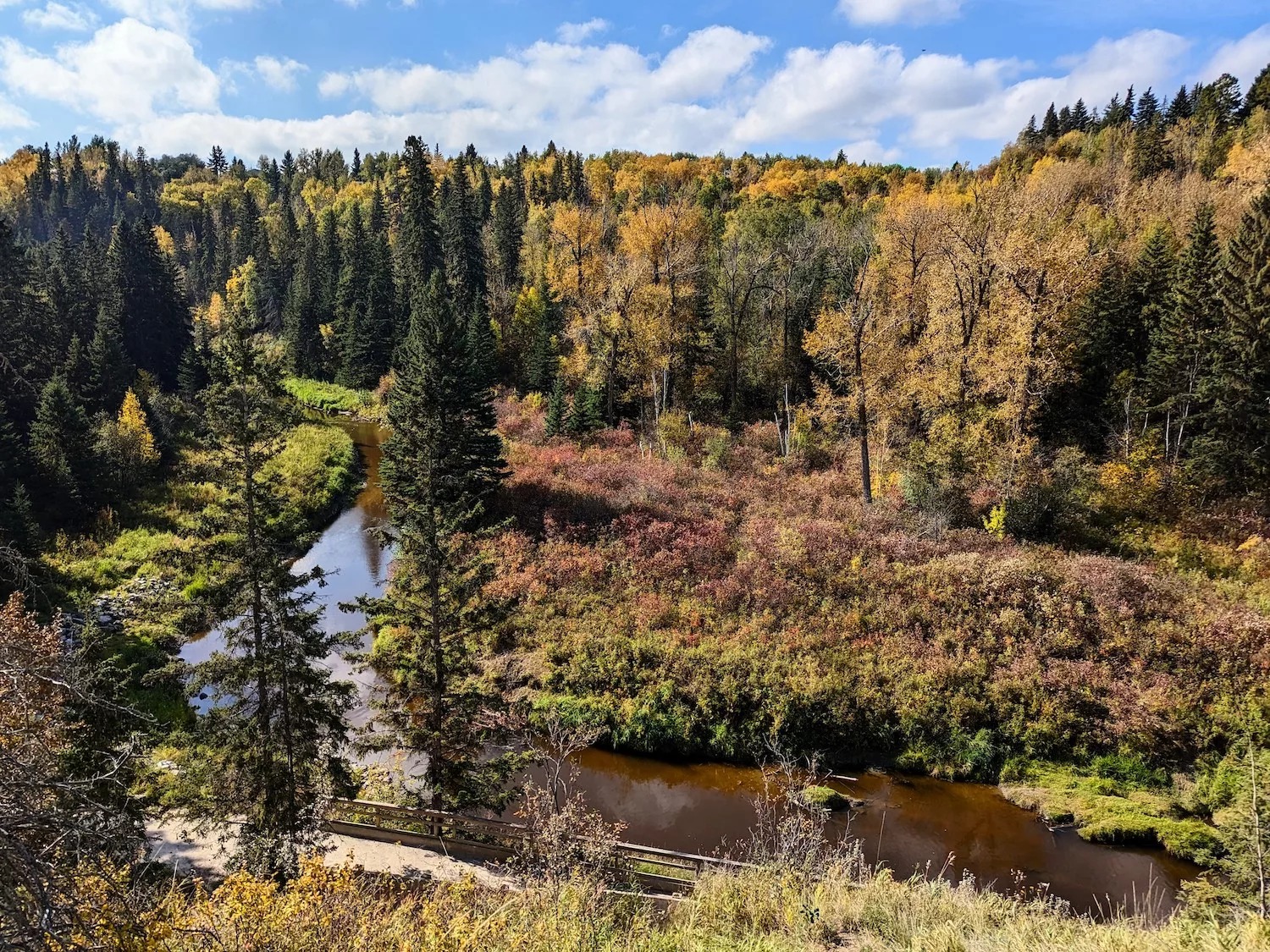
Edmonton truly values its urban forest, actively working to expand and preserve it. Through responsible management and public education, the city ensures long-term benefits for future generations. Trees offer a multitude of environmental, economic, and social advantages, including:
- Sequestering greenhouse gases.
- Reducing stormwater runoff damage.
- Providing wildlife habitat.
- Lowering winter heating and summer cooling costs.
In 2024, the city’s forestry program planted 7,143 trees on boulevards and in open spaces, with 524 of those being the “Klippert” variety, harvested from the Old Man Creek Nursery. Additionally, 166,300 trees on boulevards and open spaces were assessed, and over 43,000 were pruned.
Key Challenges in Edmonton’s Urban Forest Management
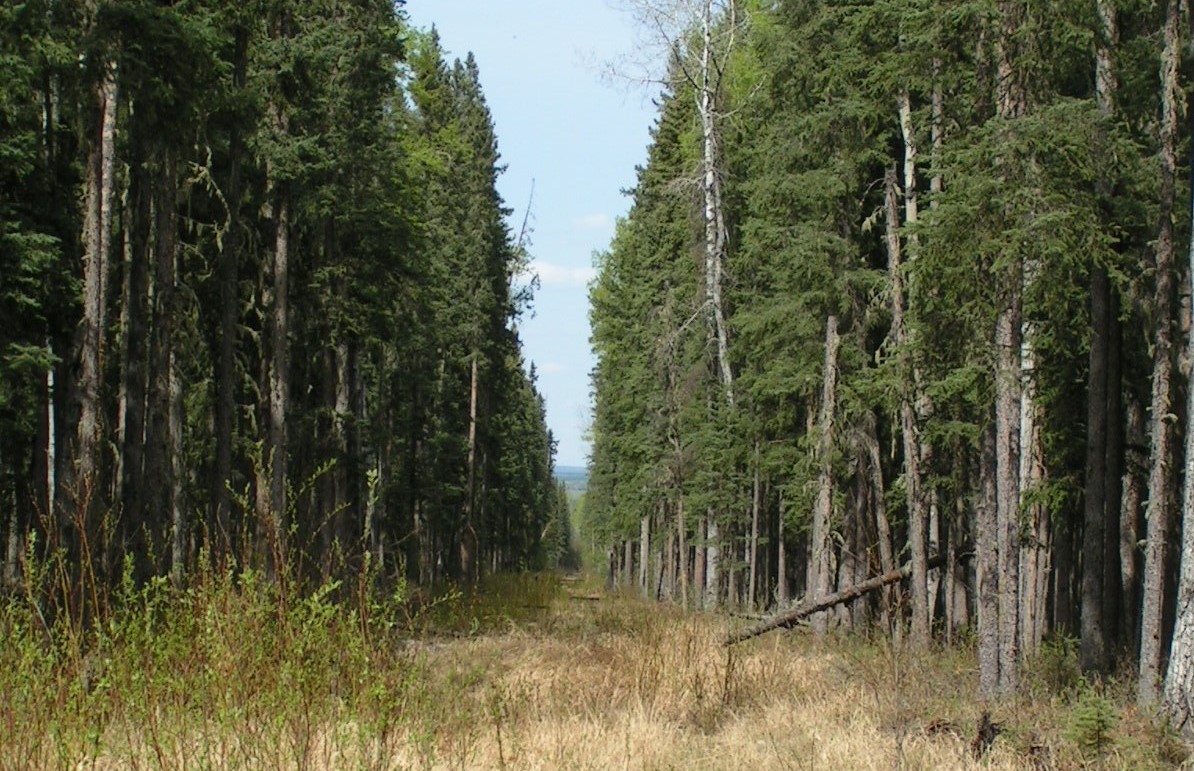
Edmonton’s unpredictable climate presents several challenges for urban forestry. Sharp cold snaps followed by sudden warm spells stress trees, especially newly planted ones that haven’t yet developed strong root systems.
Summers in the city can bring intense heat, which dries out the soil, making trees vulnerable to heat stress and significantly increasing their water needs. These fluctuations demand a strategic approach to species selection and planting times to ensure resilience.
Another significant challenge in Edmonton’s urban forestry is managing pests and diseases. The threat posed by the emerald ash borer and Dutch elm disease, for example, cannot be overstated. These pests are notorious for rapidly decimating tree populations across Canada. Fortunately, Edmonton boasts one of the world’s largest populations of uninfected American elms. However, the potential damage cannot be underestimated. The emerald ash borer, for instance, devastates ash trees, which are common in the city’s urban canopy. Similarly, Dutch elm disease attacks elms, threatening the health of these valuable urban assets and requiring regular monitoring and management to mitigate impact and spread.
Many of the city’s trees are reaching the later stages of their life cycle. This synchronized aging creates risks, as older trees are more susceptible to disease, pest infestations, and environmental stressors.
It also foreshadows a future where many trees may require removal around the same time. Strategic replanting plans are crucial for gradually introducing younger trees into the ecosystem.
Effective water resource management is critical, especially as unpredictable weather patterns and drought periods become more common. The challenge lies in ensuring trees receive adequate moisture during dry spells without overtaxing the city’s water resources. Techniques like mulching, using water retention devices, and selecting drought-tolerant species help maintain tree health in adverse conditions, conserving water while supporting greenery.
Limited species diversity in Edmonton’s urban forests heightens the risks associated with pests, diseases, and climate change. A canopy dominated by a few species is less resilient and more susceptible to widespread destruction from a single pest or disease outbreak.
Increasing species diversity through careful selection and planting a wide range of suitable trees enhances ecological resilience and contributes to healthier, more stable urban forests.
Urban development often leads to a reduction in green spaces, potentially endangering existing trees and limiting opportunities for new plantings. Additionally, construction and infrastructure development frequently result in root damage, soil compaction, and changes in local drainage patterns, all of which negatively impact tree health and survival.
It’s important to note that the success of urban forestry initiatives hinges on public support and involvement. Insufficient awareness among local residents about the importance of trees in the urban environment can lead to poor care, improper pruning, and damage to trees.
Plans for Improving Urban Forestry
The City of Edmonton has ambitious plans to improve its urban forestry. However, these efforts are often constrained by limited resources and funding. Urban forestry isn’t just about planting new trees; it also involves meticulous care, which requires a consistent and well-funded management program. Currently, funding is struggling to keep pace with the increasing demands for tree planting and maintenance.
Another crucial area is ensuring the enforcement and updating of tree protection policies. Current regulations don’t provide adequate protection against tree removal or damage during construction.
However, enforcing these policies would prevent illegal tree felling and ensure compliance with tree planting and maintenance requirements.
The negative impact of climate change on urban forestry deserves separate mention. Rising temperatures, altered precipitation patterns, and the likelihood of more extreme weather events necessitate adaptive management strategies to ensure the resilience of urban forests. This includes selecting specific tree species that are resistant to changing climatic conditions and implementing innovative methods to mitigate environmental impacts.
What the City is Doing to Preserve Forests
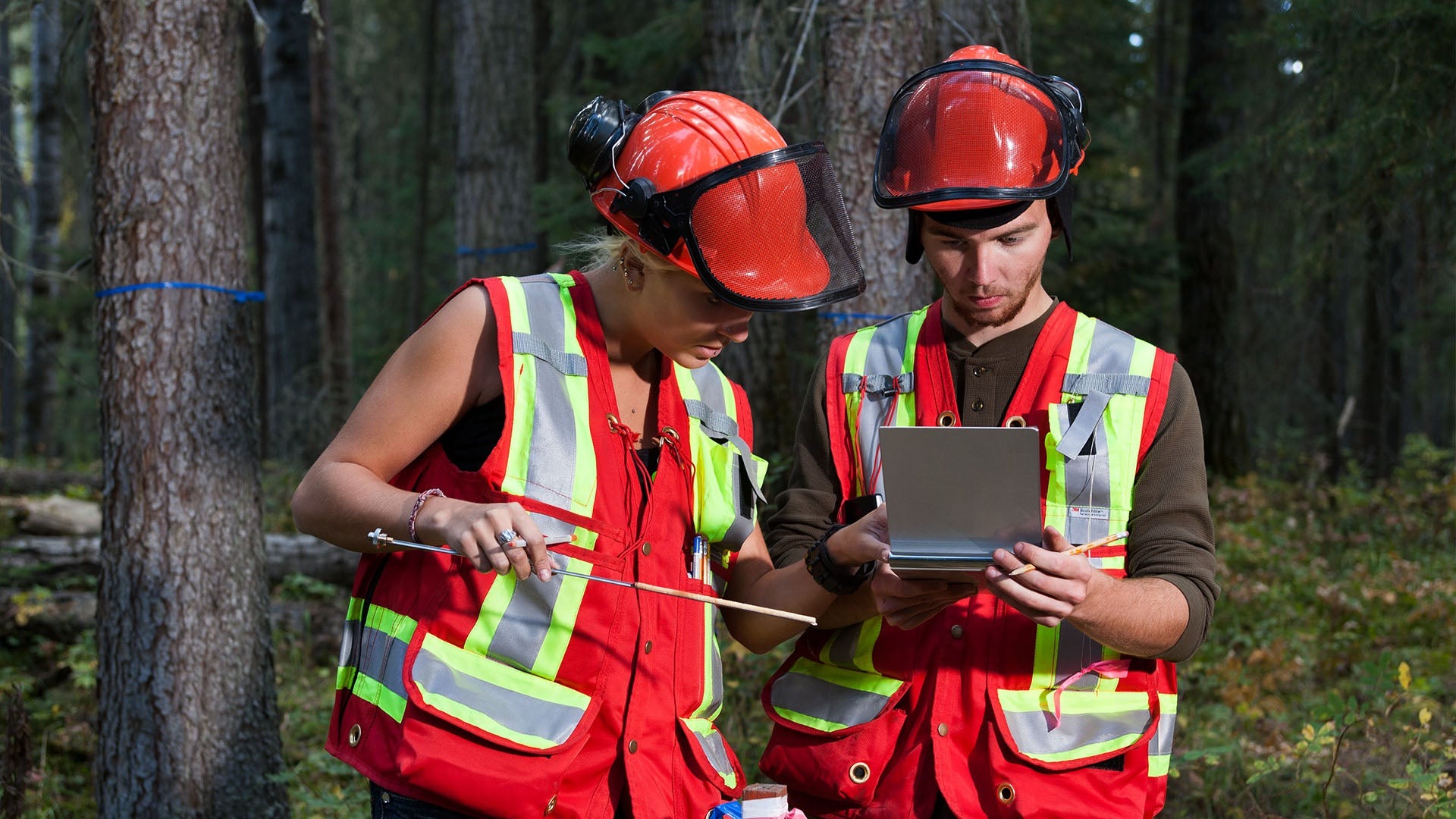
Edmonton has long recognized the importance of its urban forests and has implemented numerous initiatives to improve and protect this valuable resource. However, these efforts often face significant limitations due to resource scarcity and the need for stronger policies.
A cornerstone of the city’s commitment to its forests is the Urban Forest Management Plan (UFMP). This comprehensive strategy is designed to maintain and grow the city’s tree population. Its goals include increasing tree canopy cover, diversifying tree species, and improving the overall health and longevity of trees. This program also focuses on public education and engagement, ensuring residents understand the value and needs of urban forests. Initiatives like the Old Man Creek Nursery, which conducts tree hardiness trials, are part of broader efforts to adapt to climate change and select species that thrive in Edmonton’s changing environmental conditions. This nursery cultivates approximately 7,000 trees, some of which are research species being tested for suitability to Edmonton’s climate, with the aim of increasing urban forest diversity and creating a healthy, resilient forest.
Municipal tree care services play a pivotal role in addressing the challenges facing urban forestry. Through specialized knowledge and the use of advanced techniques, these services provide a comprehensive approach to tree care.
For example, Green Drop municipal services handle everything from routine maintenance to emergency tree care, ensuring not only the preservation but also the enhancement of forests. Their team includes ISA-certified arborists and two master arborists, who possess extensive knowledge and skills. They are trained in the latest arboricultural methods, from precise pruning to diagnosing and treating diseases, allowing them to ensure the health and strength of trees. Furthermore, they actively implement advanced management methods that effectively address specific problems, namely: pest infestations, climatic impacts, and water resource management complexities. Their expertise is crucial in selecting appropriate tree species that will thrive in Edmonton’s environment.
