

Commercial production of natural stone is a significant industry in many provinces. In 1995, the value of stone extracted in Canada reached $626 million, with a production volume of 109 million tonnes. Learn more on edmonton.name.
The Quarry Industry
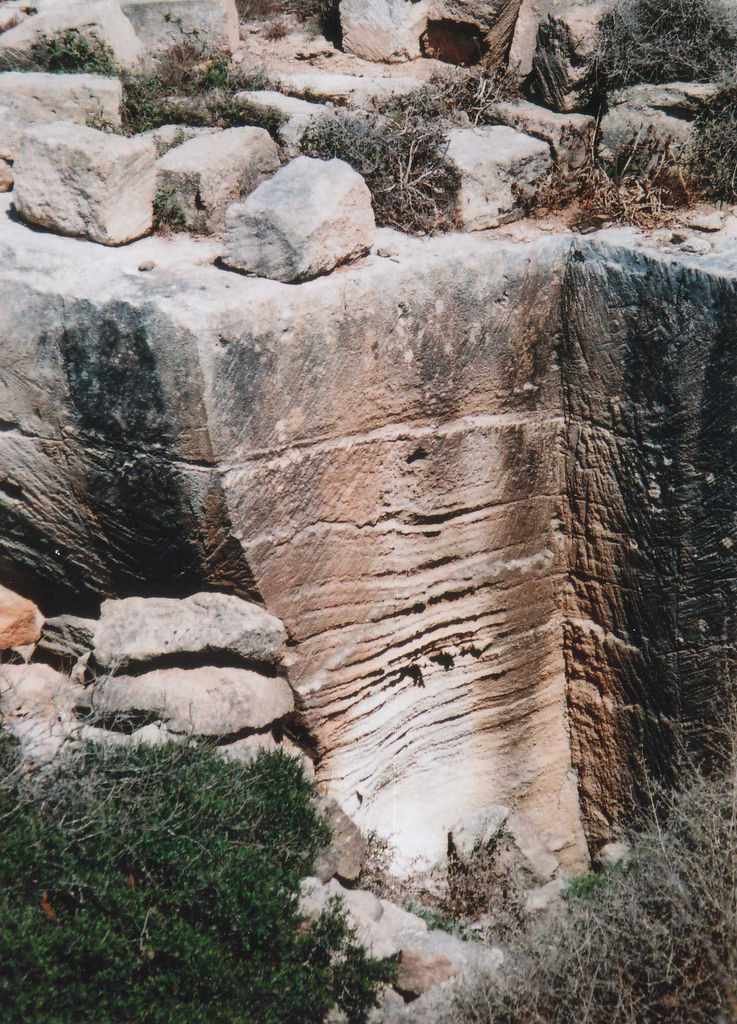
Stone is extracted from quarries by cutting, digging, or blasting. The extraction method is always selected to best suit the specific deposit. The mined stone is processed using mechanical equipment.
The primary types of stone extracted in Alberta include limestone, granite, and marble. Limestone accounts for 70%, while granite makes up 15%. In comparison, marble and sandstone production is minimal. Limestone quarries are most common in Edmonton. Alberta produces more than half of Canada’s annual quarry production.
Nearly one-third of the extracted stone is crushed and used in the construction industry, particularly for road building.
An Astonishing Archaeological Discovery
For decades, high-quality industrial operations flourished in Northeastern Alberta, including numerous oil sands developments. However, a remarkable discovery amidst the oil sands revealed evidence of ancient industry in the province.
In the early 2000s, the government received proposals for two major industrial projects: the creation of a limestone quarry near Fort McKay and the expansion of an oil sands mining operation. Since the development area was close to archaeological sites with notable landscape features, authorities decided to conduct archaeological surveys.
Archaeologists quickly realized they had uncovered something extraordinary. Over several years of research on the proposed quarry site, they identified a rich complex of archaeological landmarks.
At the Quarry of Ancestors, entire collections of ancient tools were discovered. It was revealed that this site was once a quarry. Archaeologists and researchers used satellite maps to study the terrain, revealing that the first humans settled near the quarry centuries after a massive flood drained Glacial Lake Agassiz. This lake once covered much of Manitoba. According to most archaeologists, the quarry was established approximately 16,000 years ago. The flood that drained the lake created the stone used for tool-making.
Unique Features of the Quarry of Ancestors
The Quarry of Ancestors stands out for its rare and significant attributes. Spanning 199 hectares, it is located amid undulating mixed boreal forests and wetlands in the Muskeg River Valley. Within the quarry, there are deposits, including two small sites with exposed Beaver sandstone formations and numerous cultural materials reflecting the initial extraction and processing of these stone resources.
Additionally, 20 other archaeological sites within the Quarry of Ancestors were locations where early humans extracted raw materials for crafting stone tools.
In 2003, archaeologist Nancy Saxberg, who conducted research on the proposed projects, confirmed that the quarry site encompasses numerous locations. Furthermore, it was discovered that the quarry contains two geological zones rich in fine-grained stone. Due to the area’s designation as an Alberta Heritage Site, earlier proposed projects to establish a new quarry were canceled.
Visiting the Quarry of Ancestors
Occasionally, local residents visit the Quarry of Ancestors. They have the opportunity to observe the region’s wealth of oil, sand, and stone, as well as to appreciate the cultural and historical significance of this unique site.